
Last updated November 24, 2026
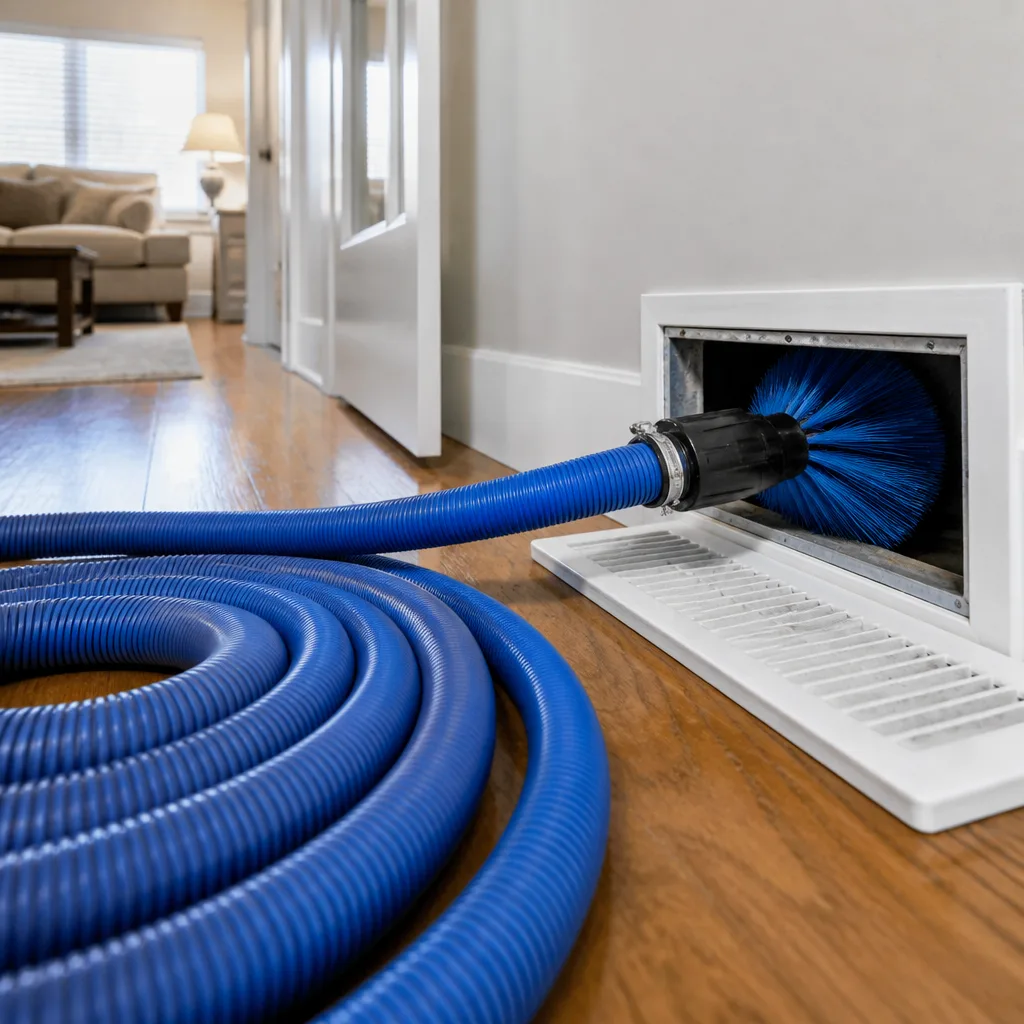 Whole-home duct cleaning
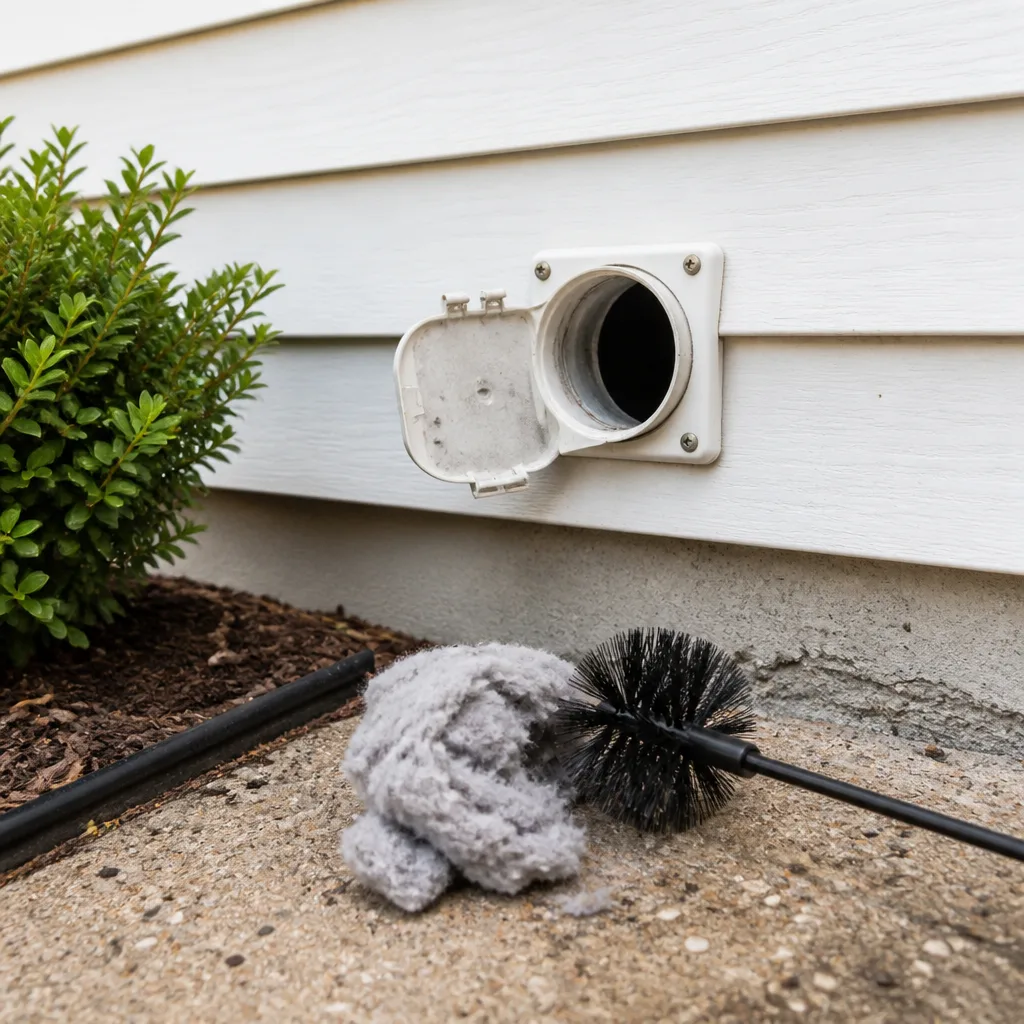 Dryer vent cleaning
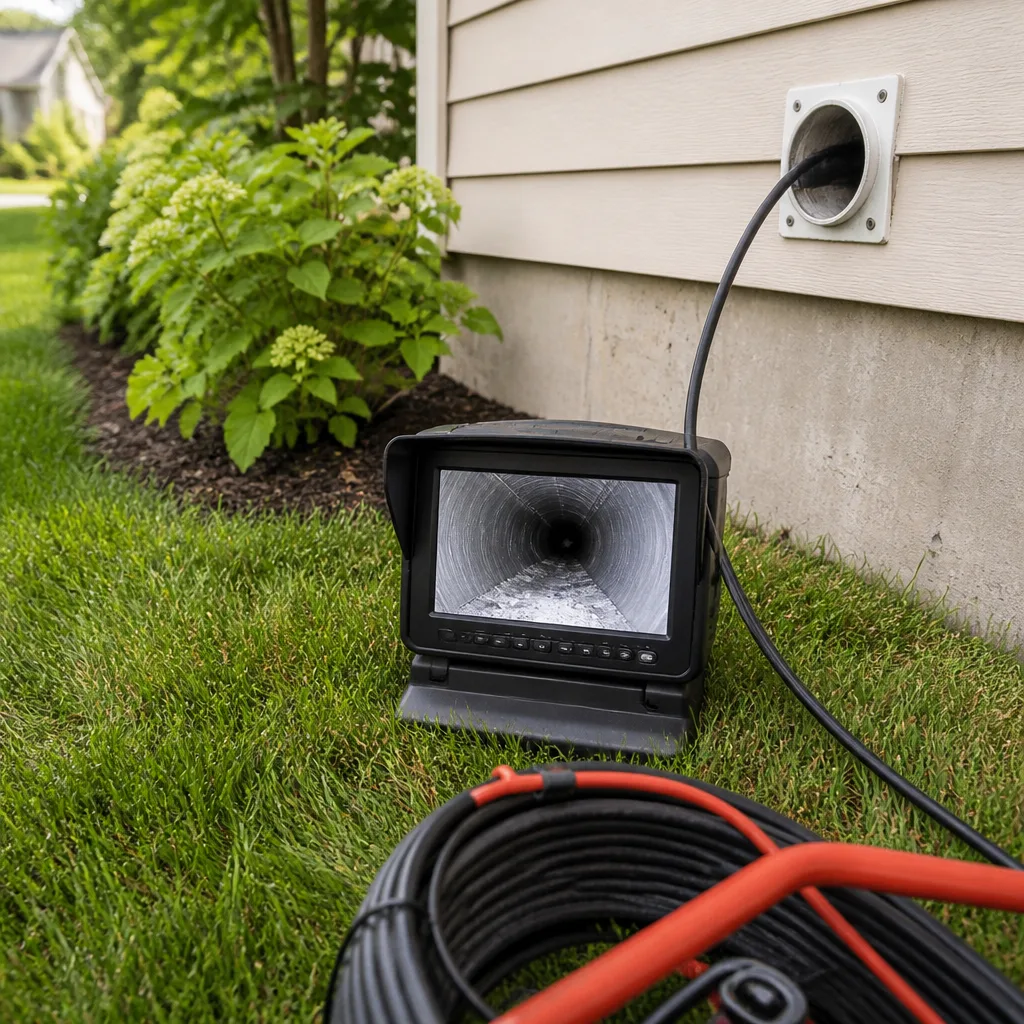 Camera inspection
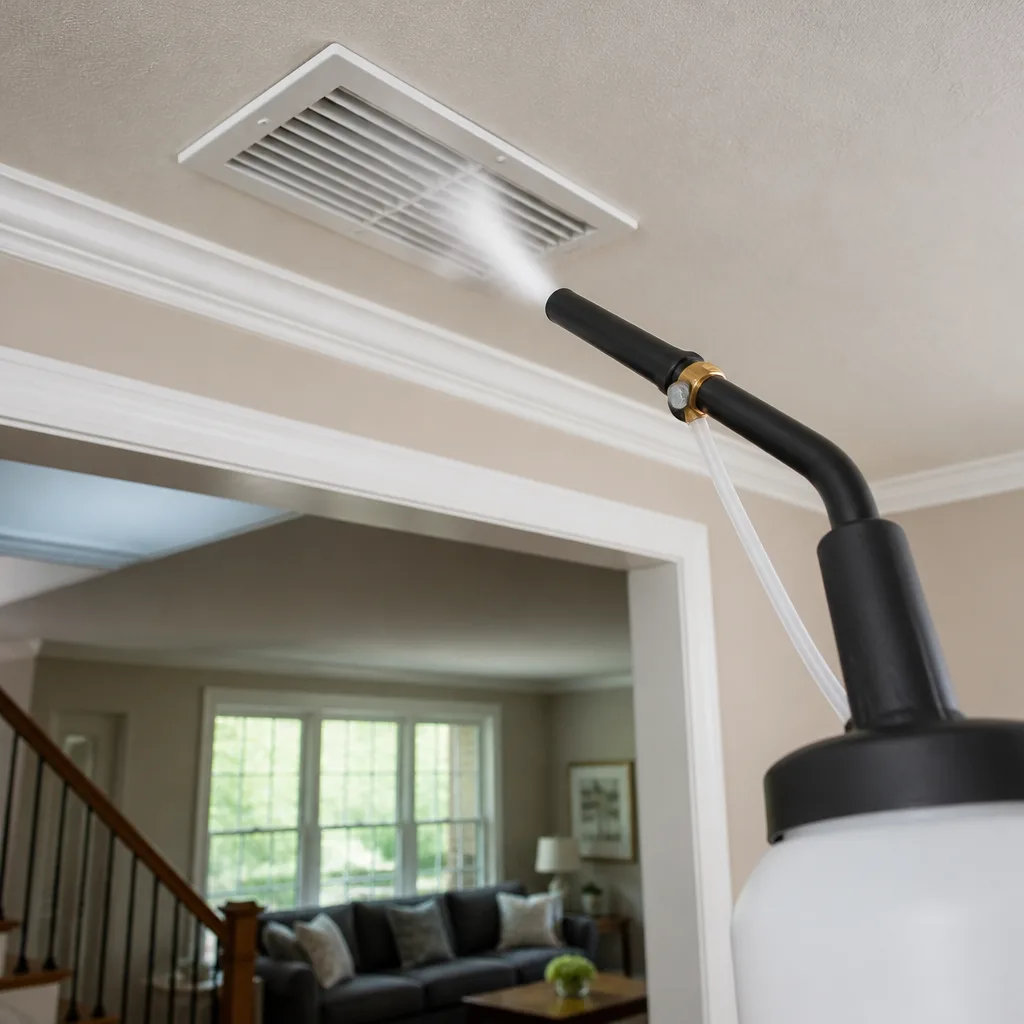 Sanitizing & deodorizing
Whole-system duct and dryer vent check with before-and-after photos - you see exactly what came out of your vents
That "$99 whole-house special" is a bait ad - the real number appears once they are in your hallway, or the "clean" is a shop-vac at the register. We photograph the inside of your ducts before and after instead.
The Complete Guide to Air Duct Cleaning in Murphy Creek
Most duct cleaning calls in Colorado’s Front Range communities end with a technician vacuuming the registers and leaving. That’s the part you can see, so it feels like the whole job. It usually isn’t. The real contamination in a Murphy Creek home tends to sit where nobody looks: the supply trunk lines, the return plenum, and the air handler cabinet, all of which sit behind drywall and above ceilings. This guide walks through what a real system cleaning involves, why the sequence of diagnosis, cleaning, sealing, and sanitizing matters, and how to tell whether the job was done right. Murphy Creek has its own patterns worth knowing.
Quick Answer
A complete air duct cleaning in Murphy Creek means mechanically cleaning every part of the ventilation system that air passes through, not just the floor registers: supply trunks, return plenum, air handler cabinet, and coil housing, sealed and sanitized afterward where needed. Contractor-grade equipment matters more than price, because portable vacuums can’t pull enough air to lift settled debris from a long trunk run. If a quote doesn’t mention the plenum or the air handler cabinet, ask why.
Styles & brands we work with
- Whole-home duct cleaning
- Dryer vent cleaning
- Camera inspection
- Sanitizing & deodorizing
Table of Contents
- What Air Duct Cleaning Actually Involves
- Why Murphy Creek Ducts Get Dirty Differently
- The Full System Map: What Gets Cleaned and What Doesn’t
- Why Contractor-Grade Equipment Matters
- When Cleaning Alone Isn’t Enough
- How to Verify the Job Was Done Right
- What Air Duct Cleaning Costs in Murphy Creek
- What You Can Check Yourself
What Air Duct Cleaning Actually Involves
A thorough air duct cleaning is mechanical. It uses rotating brushes and high-volume negative-air extraction to agitate and remove what’s stuck to the duct walls and then pull it out of the system entirely. Air from a register isn’t enough on its own, because debris settles against the duct surface and has to be disturbed before it can move. A proper job runs through several connected components in sequence.
Here’s the general order a complete cleaning follows:
- Inspection first. Before any tool goes in, the technician maps the layout: how many trunks, where the returns run, whether the air handler is accessible, and where sealing or repair looks necessary.
- Negative pressure setup. A collection unit is connected to the system so the whole run is under vacuum before brushes go in. Debris loosened by the brush goes into the collection unit, not into the room.
- Mechanical agitation. Rotary brush heads work through the supply and return runs, scrubbing the walls of accumulated dust, drywall dust, and settled particulate.
- Air handler and plenum. The blower compartment, coil housing, and return plenum get cleaned while the system is open.
- Sanitizing, if warranted. When biological material, musty odors, or allergen buildup are present, a sanitizing treatment follows the mechanical work.
- Verification. Before-and-after photos of the interior of the system back up the report.
Each step affects the next. Skipping the negative pressure setup or the plenum work means the visible registers look clean while the biggest debris reservoir stays untouched. We work through this sequence on every job in Murphy Creek, which is why the middle steps are worth understanding before you compare quotes.
Why Murphy Creek Ducts Get Dirty Differently
Murphy Creek’s housing stock leans toward newer construction on the eastern edge of the metro area, which changes the contamination pattern compared with older Denver suburbs. Two things stand out.
Construction dust is baked into new homes. Homes built within the last couple of decades were finished with drywall sanding, sawdust, and framing debris present throughout what became the duct system. Some of that material settles in the runs and never leaves on its own. Newer construction also tends to have tighter envelopes, which is good for efficiency, but it means more of what’s in the air has to move through the filters and ducts instead of leaking out the way older, draftier homes did.
Front Range dust is fine and persistent. The eastern plains send fine particulate that finds its way into return registers, especially during dry stretches and after wind events. Fine dust packs tighter against duct walls than the coarser dust you’d see in many older suburbs, so it takes mechanical agitation rather than airflow alone to remove it.
Murphy Creek’s climate also swings hard: dry, sunny days, cold snaps, and seasonal smoke from the wider region working through homes over the summer. Every one of those seasonal changes is a cycle of dust and pollen moving through the return system. Homes in Murphy Creek with pets or young children tend to see the fastest accumulation, since both increase the particulate load the system handles.
The Full System Map: What Gets Cleaned and What Doesn’t
This is where quotes diverge most, and where a budget job quietly skips the parts that matter. A full system has several distinct sections. Some show up in every quote and some get left out without explanation.
- Floor and ceiling registers. The visible face of the system. Every service cleans these, and cleaning them alone does almost nothing.
- Supply branch runs. The smaller ducts leading to each room. They should be brushed and extracted individually, not just blown through.
- Supply trunk lines. The main distribution ductwork, usually behind drywall or in the attic. These hold the most debris because they carry the volume. Many low-cost services skip them because access is work.
- Return plenum and return runs. The return side draws air back to the air handler and collects the most fine dust. A job that cleans only the supply side has done half the work.
- Air handler cabinet and blower compartment. The cabinet housing the blower holds settled dust and often was never cleaned out after construction. Cleaning around the cabinet without cleaning inside it leaves a steady source of debris upstream of every duct.
- Coil housing. The area around the evaporator coil collects dust and can hold moisture. Cleaning the housing is part of a full job; cleaning around it is not.
When technicians open up the return plenum and the air handler in a Murphy Creek home, what’s inside usually tells a clearer story than anything visible at the registers. If a quote lists only the supply runs, ask directly whether the return plenum and air handler cabinet are included.
Why Contractor-Grade Equipment Matters
A portable shop vacuum sitting in a hallway does not clean a duct system. This isn’t a sales point; it’s a matter of airflow. Duct cleaning relies on a continuous volume of moving air, measured in cubic feet per minute, to keep loosened debris suspended until the collection unit captures it. A contractor-grade negative-air machine moves enough air to hold the whole system under vacuum, while a portable unit doesn’t, so the dust goes back onto the duct walls or into the room.
We use Rotobrush and Nikro equipment on every job: rotary brush systems paired with high-volume extraction units. These are the tools commercial HVAC contractors use, and they’re what make the trunk lines and plenum work possible. When a company quotes a cleaning at a price that doesn’t line up with the amount of work involved, the equipment is usually the first thing that changed.
There’s a second layer too. We work with Honeywell and Aprilaire filtration and humidity products, which means the technician doing your cleaning also understands how your filter setup and humidity control interact with the duct system. A duct that gets cleaned and then fed by a bypassing or incorrectly seated filter fills back up quickly. Filtration and ducts are one system.
When Cleaning Alone Isn’t Enough
Clean ducts are only half the job if the ductwork itself is leaking or damaged. Two things follow from unsealed duct joints. First, a system under pressure pulls air from wherever it can, which in a home often means attic dust, garage air, or crawlspace air getting into the supply side. Second, the air you paid to heat or cool escapes before it reaches the room. Cleaning a leaking system means you’re cleaning it to re-contaminate it.
This is why we offer duct repair and sealing alongside HVAC cleaning. The general order matters. Repair and sealing come first when they’re needed, then cleaning, then a sanitizing treatment if biological material or odors are present. Going in the other order means the sealing work reintroduces debris to a system you just cleaned.
Signs a Murphy Creek home might need sealing before cleaning:
- Rooms that are consistently warm or cool compared with the rest of the house, suggesting duct leakage in that run
- Visible gaps at joints, or tape peeling away at seams
- Dust recurring at registers faster than expected after a cleaning
- Musty or dusty smells in rooms that only appear when the system runs
Not every home needs this work. A technician can tell the difference after inspecting the system, and it’s worth asking about before signing off on the cleaning scope.
How to Verify the Job Was Done Right
You can’t see inside your ducts, which means verification has to happen at the point of service. A professional job leaves a paper trail you can inspect.
Here’s what a decent report should show:
- Before-and-after photos of the interior of the supply runs, return plenum, and air handler cabinet. Photos of the register faces only don’t count.
- A written description of what was cleaned, listing each component explicitly rather than “the duct system.”
- Airflow observations at registers before and after, or a static pressure reading, so any change in system performance is recorded.
- Notes on repair or sealing work: what was found, what was sealed, and whether re-cleaning followed.
- Filter and equipment notes if the technician found anything affecting filtration or humidity control.
We take before-and-after photos of the system interior on every job because that’s the only way for a homeowner to confirm what happened. If a company won’t promise photos of the interior of the system, ask what completion looks like to them. The answer tells you a lot.
What Air Duct Cleaning Costs in Murphy Creek
Air duct cleaning is priced per system, not per vent. That distinction is the difference between a fair quote and a bait-and-switch. Per-vent pricing looks cheap at the door because it only covers the visible registers; the real cost gets added once the technician is inside and “discovers” the plenum needs work. We charge one flat price per system, agreed before any work starts, based on a written estimate, so the number you approve is the number you pay.
Typical ranges for a full-system cleaning in the Murphy Creek area look like this:
| Service | Typical range |
|---|---|
| Full-system duct cleaning (supply, return, plenum, air handler) | $400 – $800 |
| Dryer vent cleaning (standalone) | $120 – $250 |
| Duct sealing or minor repair | $300 – $900 |
| Sanitizing treatment after cleaning | $150 – $400 |
| HVAC cleaning (air handler, coil housing) | $250 – $600 |
These are estimates only. Your written estimate sets the final price, because system layouts differ: a single-story home with a short trunk run is not the same job as a two-story layout with multiple zones. The estimate is free, and it’s based on inspecting the actual system, not a size-of-house formula.
If a quote comes in dramatically lower than these ranges, the question isn’t whether it’s a deal, it’s what’s been left out. Usually the answer is the return plenum, the air handler, or the trunk lines.
What You Can Check Yourself
Some things you can check without opening anything up, and they’re worth knowing before you call. These checks help you judge whether a cleaning is due and give you a clearer picture of what to ask about. Safe work only; anything inside the air handler or electrical is a job for a trained technician.
- Register faces. Remove a register grille and look at the duct wall behind it with a flashlight. Heavy dust on that wall suggests the trunk behind it looks worse.
- Filter condition. A filter that’s caked over within a few weeks of replacement suggests the system is pulling more particulate than the filter can handle. Check its seating too: a filter that doesn’t sit flush lets air bypass it.
- Odor. A musty smell that appears when the system runs and fades when it’s off points to organic material somewhere in the system. That’s a job for a professional, and it’s worth saying so on the call.
- Airflow balance. Rooms that are noticeably harder to heat or cool than others can suggest a duct issue rather than an equipment issue.
- Visible ductwork gaps. If you can see ductwork in the attic or basement, look for separated joints or peeling tape. Don’t seal them yourself if you’re not sure how; just note them.
Don’t pull apart an air handler cabinet or open electrical panels to look inside. Those need a technician, and doing it is where homeowners get hurt.
The Dryer Vent: A Separate Safety Item
Dryer vent cleaning is often bundled with duct cleaning but should be understood as a distinct service. Lint accumulation in the vent run is a fire hazard, and it’s not the same lint that builds up inside a home’s HVAC duct system. The vent has to be cleaned properly, all the way through the run to the exterior flap, so the whole length is clear.
Standalone dryer vent cleaning is a service worth having on its own if it’s been a while. Signs the vent needs attention include clothes taking longer than they used to in the dryer and a lint trap that’s fuller than expected. If the vent run has a long horizontal section or multiple elbows, lint catches there first. We check the full run, not just the first few feet.
Common Mistakes to Avoid
- Comparing on price alone. The cheapest quote typically excludes the return plenum and air handler, which are the parts that hold the most debris. Ask what’s included before comparing numbers.
- Accepting register-only cleaning. A job that vacuums the grilles and calls it complete leaves the real contamination in place. If the quote lists only registers, it isn’t a full-system cleaning.
- Skipping the plenum and air handler in a newer home. In Murphy Creek’s newer construction, construction dust often sits in the plenum and cabinet long after the home is done. Cleaning the ducts without those components leaves the source untouched.
- Cleaning before sealing. If the ductwork is leaking, cleaning first re-contaminates the system. Sealing comes before cleaning when the system needs it.
- Skipping photos. Without before-and-after photos of the interior, you have no way to know the job was real. Ask for them.
- Forgetting the dryer vent. The dryer vent is a separate fire-safety item, not part of the HVAC cleaning, and it deserves its own service.
- Assuming a filter change fixes the ducts. A good filter protects the ducts, but it doesn’t clean them. Once debris is settled in the run, filtration stops it from building up more but doesn’t remove what’s there.
See the difference
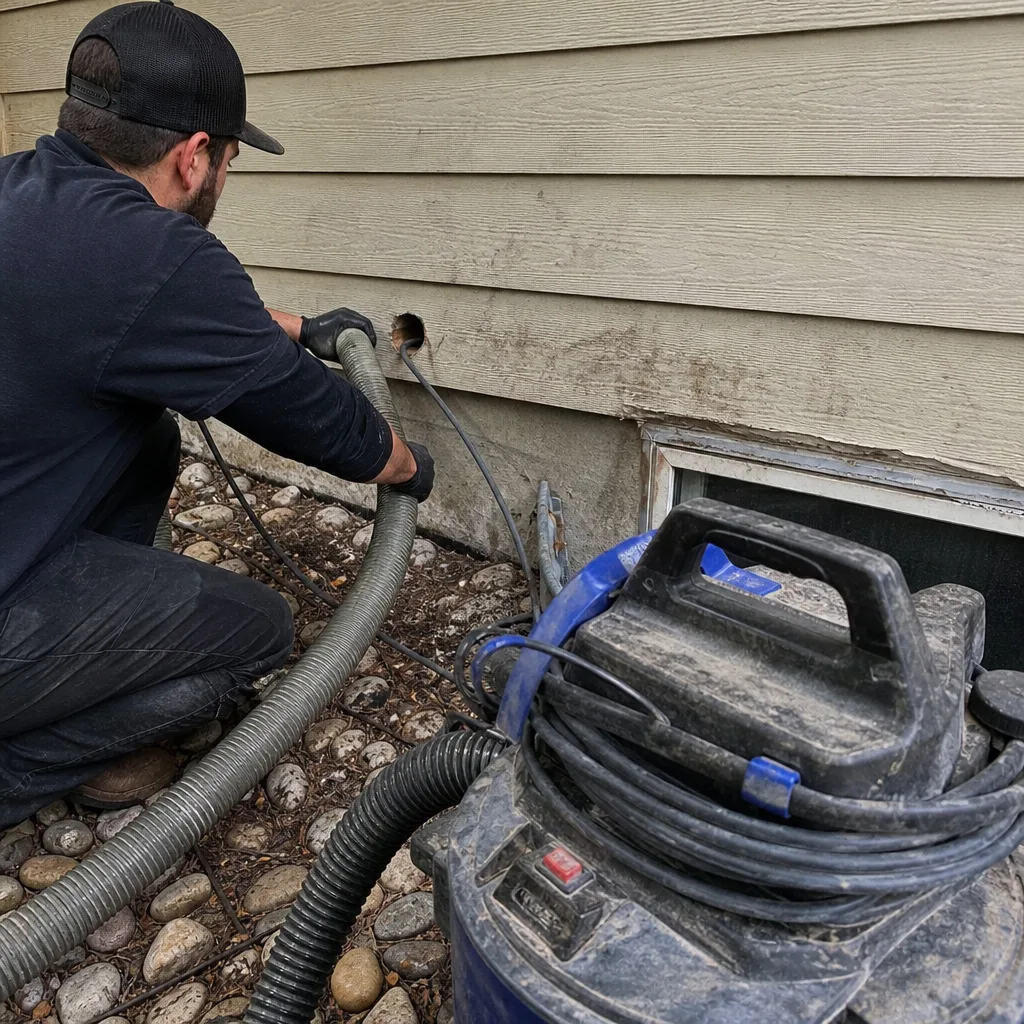 Before
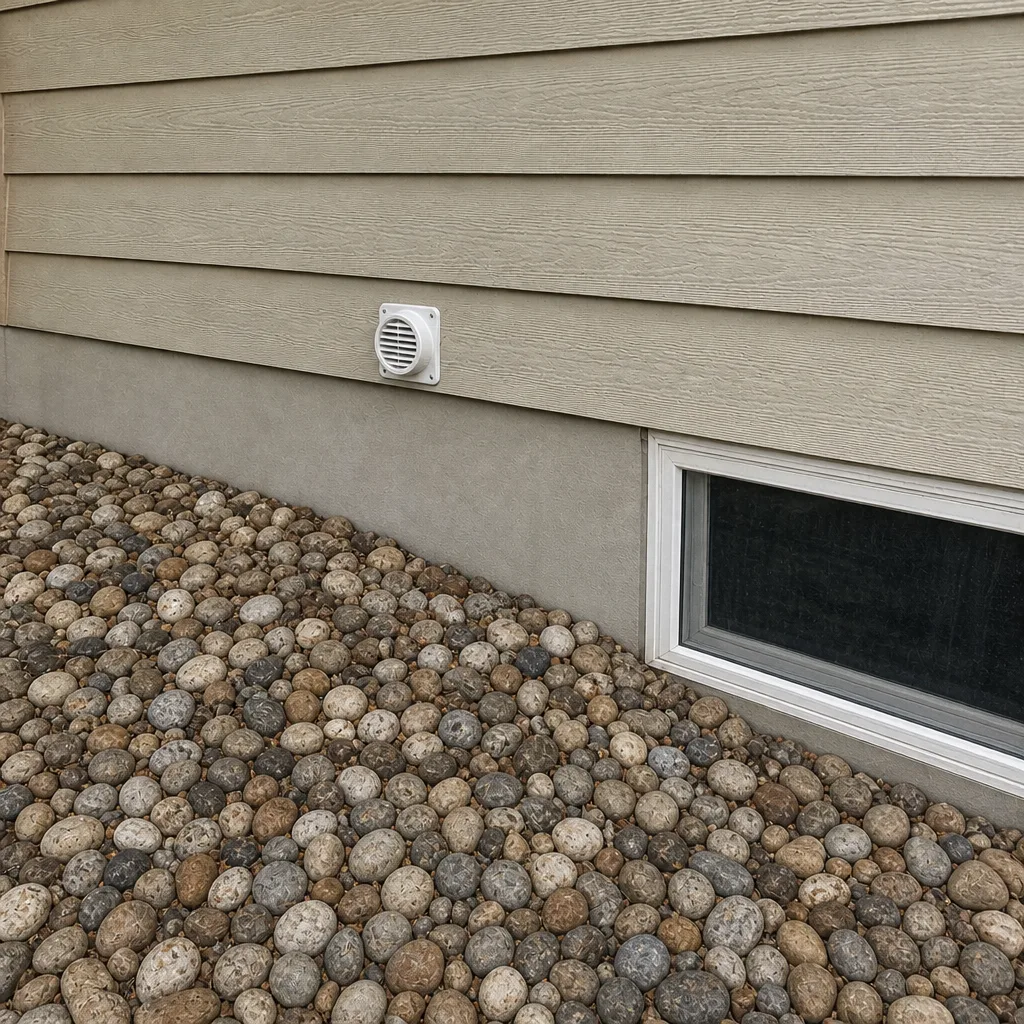 After
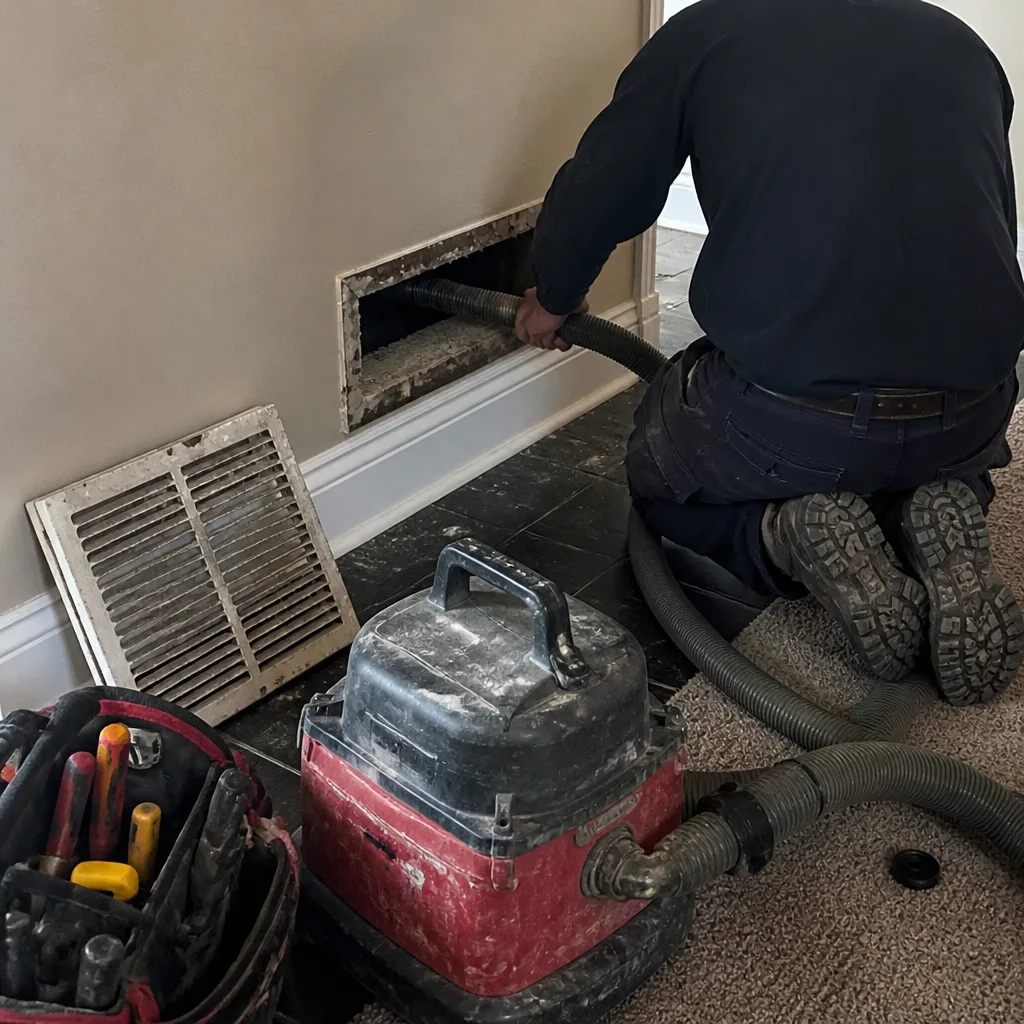 Before
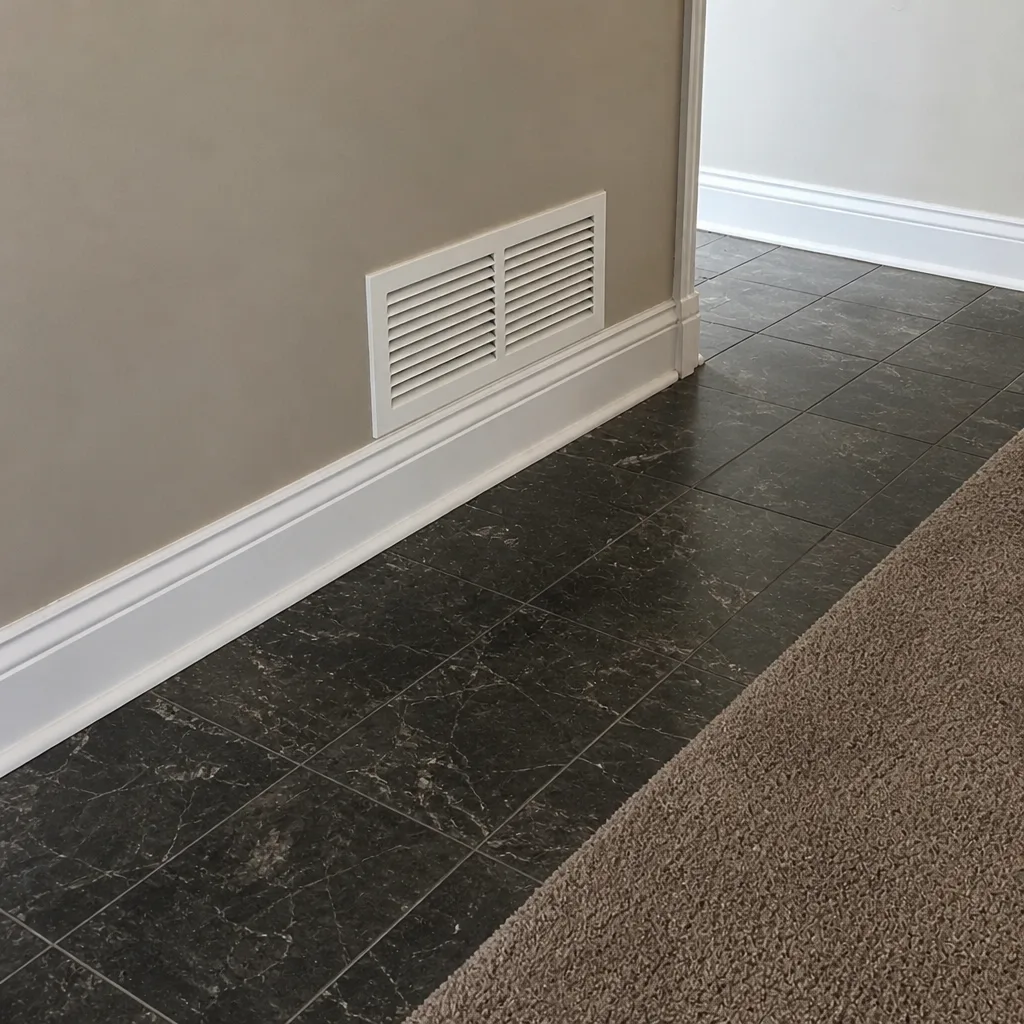 After
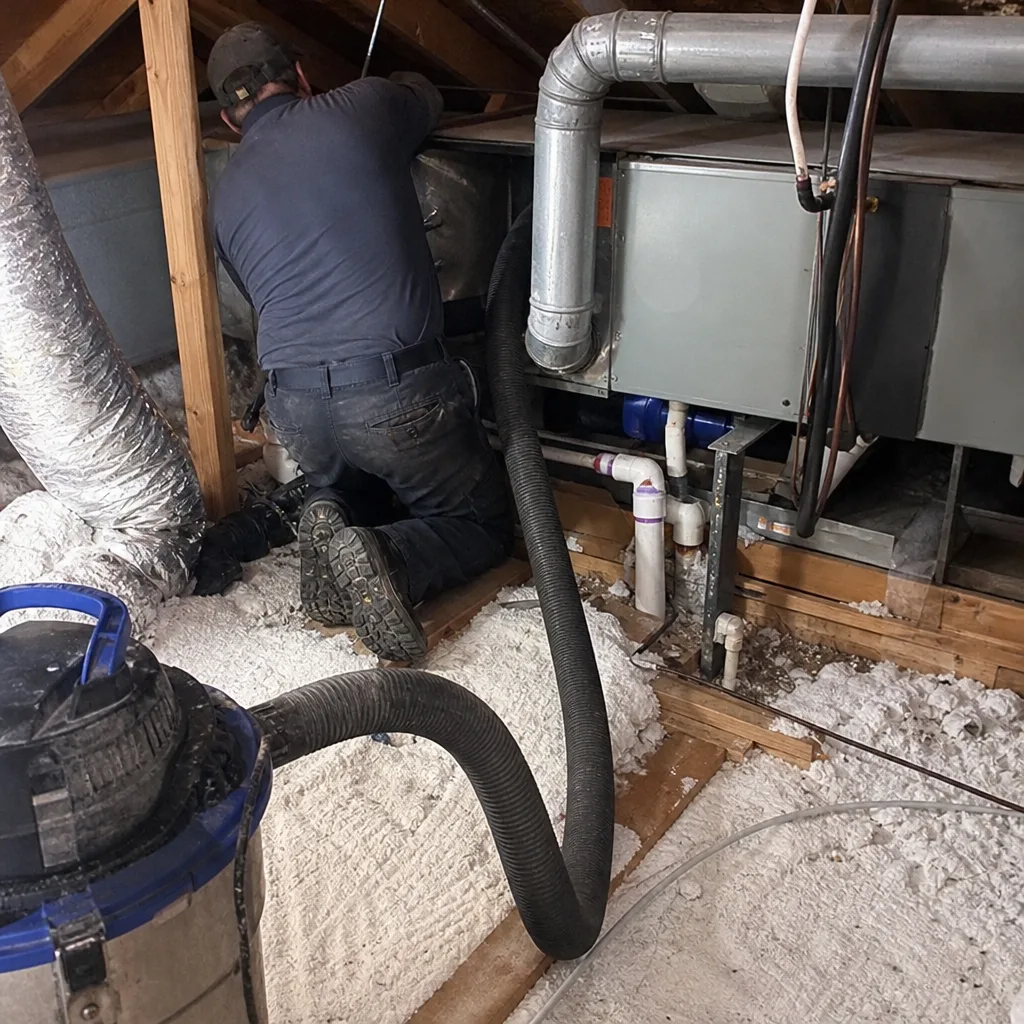 Before
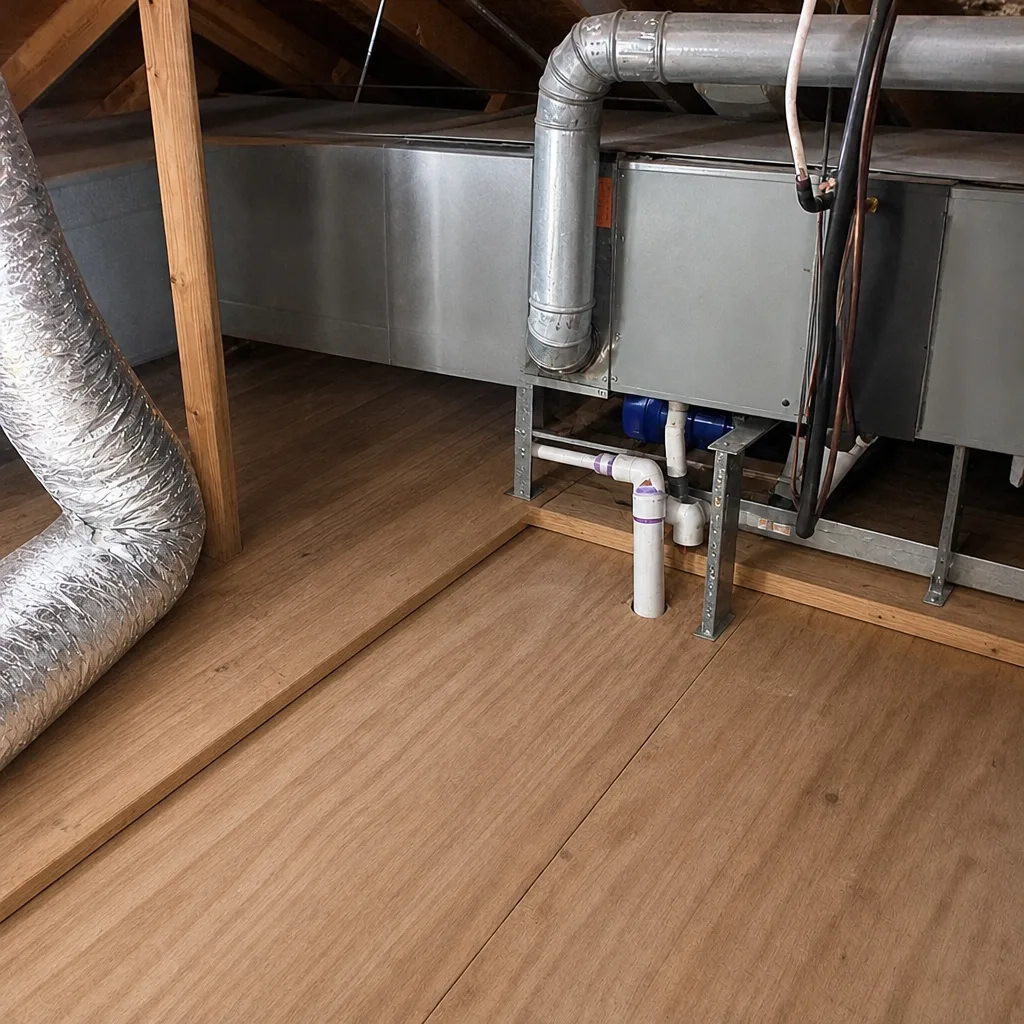 After
When to Call a Professional
Most homes in Murphy Creek can wait for a scheduled cleaning based on reasonable intervals: every few years for a typical home, sooner if there are pets, allergies in the household, recent renovation, or a move into a home whose duct history is unknown. Some situations call for a call sooner. A musty smell when the system runs, recurring dust at registers within days of cleaning, or any renovation that generated drywall dust should prompt an inspection. If you’ve noticed a duct that’s visibly leaking or disconnected, that’s repair-and-sealing work that belongs in a technician’s hands. Gas-fired appliances and electrical panels are not homeowner work. Air Duct Cleaning Murphy Creek offers free estimates in Murphy Creek, and our technicians have up to 8 years of experience. Call (855) 658-5202 to schedule.
Frequently Asked Questions
A full-system cleaning in the Murphy Creek area typically runs $400 to $800, and the written estimate sets the final price. That range covers supply runs, return plenum, air handler cabinet, and mechanical cleaning; anything quoted well below it usually skips those components. Call (855) 658-5202 for an exact quote. Estimates are free.
Cheaper quotes typically exclude the return plenum, the air handler cabinet, and sometimes the trunk lines entirely, so the technician cleans the registers and leaves. The gap between their price and a complete job is exactly the work they’re not doing. Ask every company what components are included before comparing numbers. Call (855) 658-5202 for a quote that lists everything in writing.
You know by seeing before-and-after photos of the interior of the system, not the register faces, plus a written report listing each component that was cleaned. We photograph the system interior on every job. If a company won’t commit to documentation, that’s worth factoring in. Call (855) 658-5202 to schedule a job with photos included.
Every two to three years is a reasonable starting interval for a typical Murphy Creek home, though it varies with pets, allergies, renovation work, and recent moves. A newer home with construction dust from the build may need it sooner. The right answer comes from an inspection of your actual system. Call (855) 658-5202 for a free estimate and we’ll give you a specific recommendation.
We clean both, and they’re in every written quote. The return plenum and air handler cabinet hold the most settled debris in most Murphy Creek homes, especially in newer construction, so leaving them out makes the whole job cosmetic. The estimate specifically lists each component so you know what you’re paying for. Call (855) 658-5202 to schedule.
Same-day scheduling is often possible when you call. We answer 24/7, and fast dispatch runs from 7am to 7pm, Sunday through Friday. A call outside dispatch hours gets booked into the next opening. Call (855) 658-5202 to see what’s available.
Sanitizing is a separate step, added when the inspection finds biological material, musty odors, or allergen buildup, and it’s priced on its own after the mechanical cleaning. Not every home needs it, and we’ll tell you honestly whether yours does. Call (855) 658-5202 for an estimate that shows both options.
The Bottom Line
A complete duct cleaning in Murphy Creek is a sequence, not a single step: inspect the full system, clean the supply runs, return plenum, air handler cabinet, and coil housing mechanically, seal anything leaking, and sanitize where the inspection calls for it. Contractor-grade equipment like Rotobrush and Nikro is what makes the trunk-line and plenum work possible. Pricing is one flat rate per system, agreed before work starts, and the job ends with before-and-after photos of the system interior. If you’ve been quoted a price that seems too good to be true, ask what’s included, and let the answer explain the difference. Air Duct Cleaning Murphy Creek offers the full range under one roof, including air duct cleaning, dryer vent cleaning, HVAC cleaning, duct repair and sealing, and air quality sanitizing. We answer 24/7. Fast dispatch from 7am to 7pm. Visit Air Duct Cleaning Murphy Creek to schedule a free estimate or call (855) 658-5202.
Written by the team at Air Duct Cleaning Murphy Creek.