
Last updated November 24, 2026
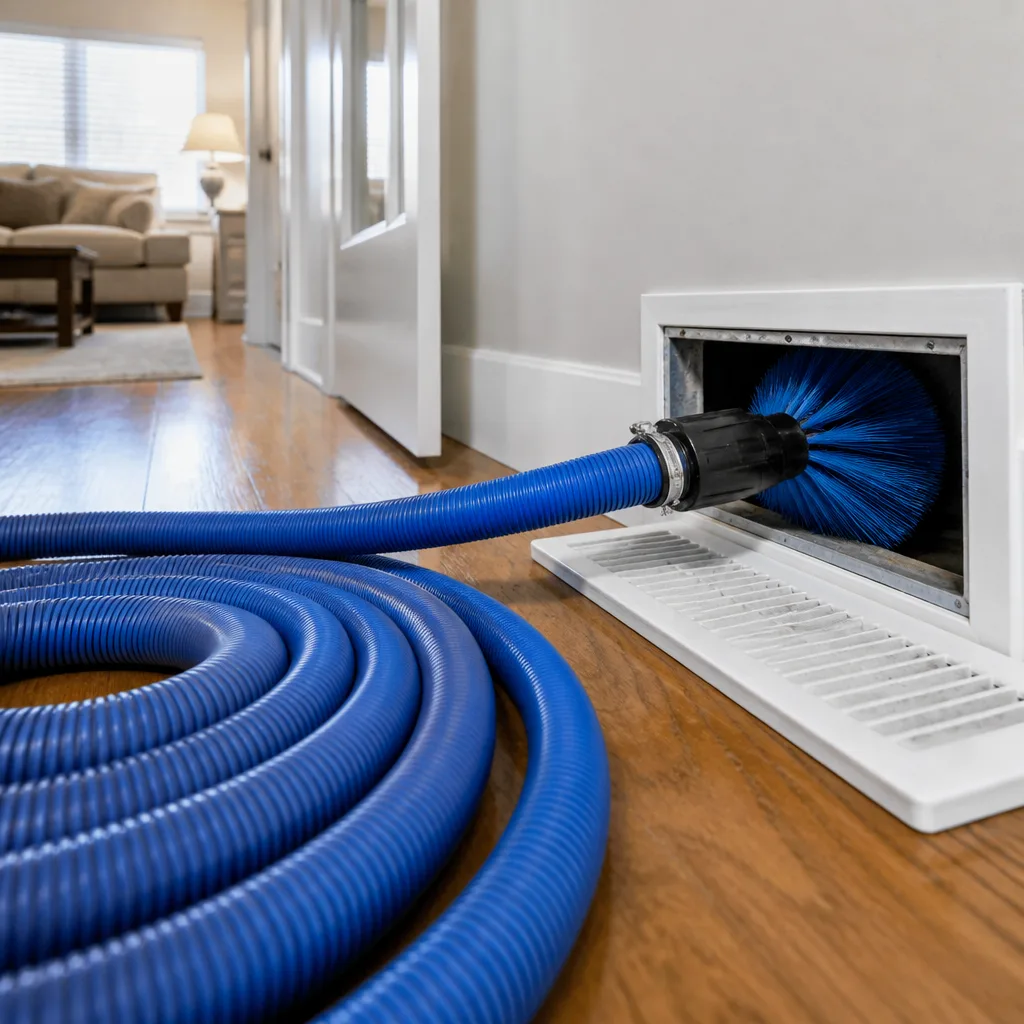 Whole-home duct cleaning
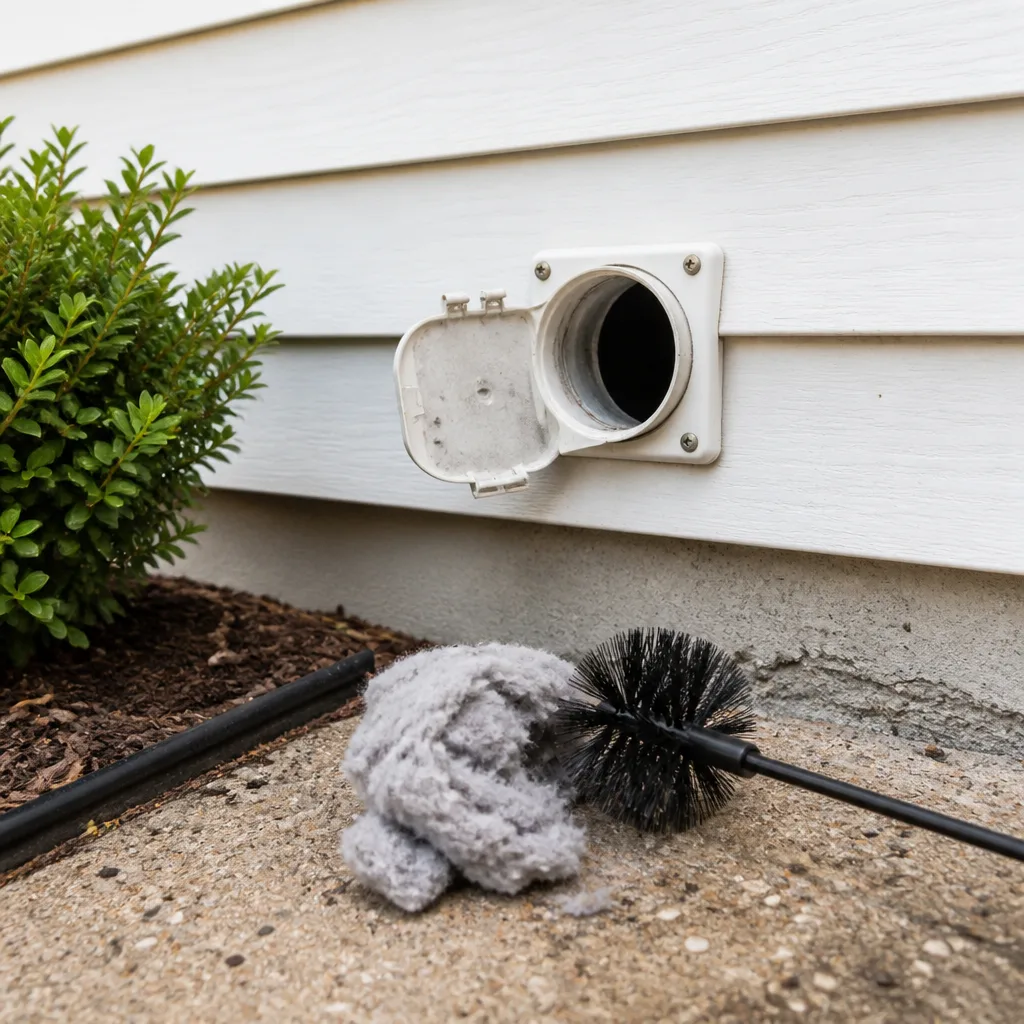 Dryer vent cleaning
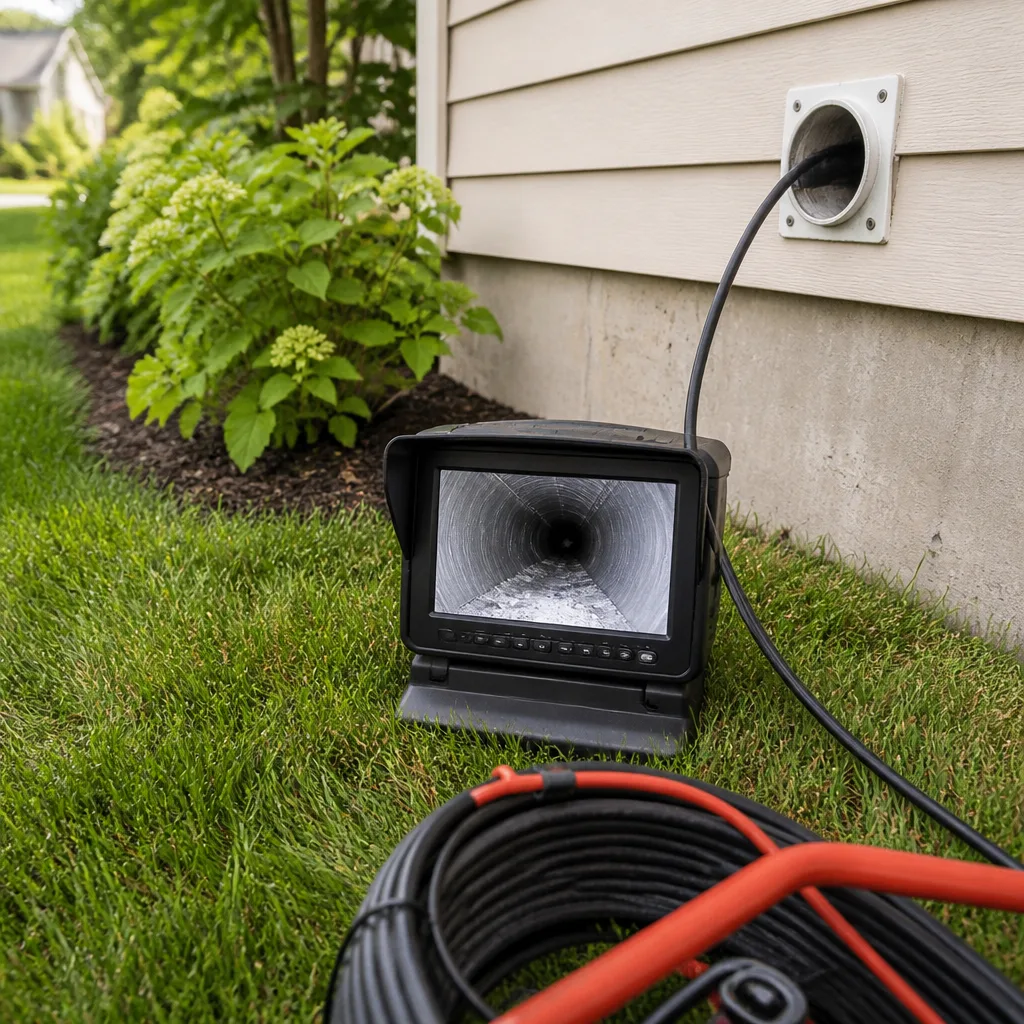 Camera inspection
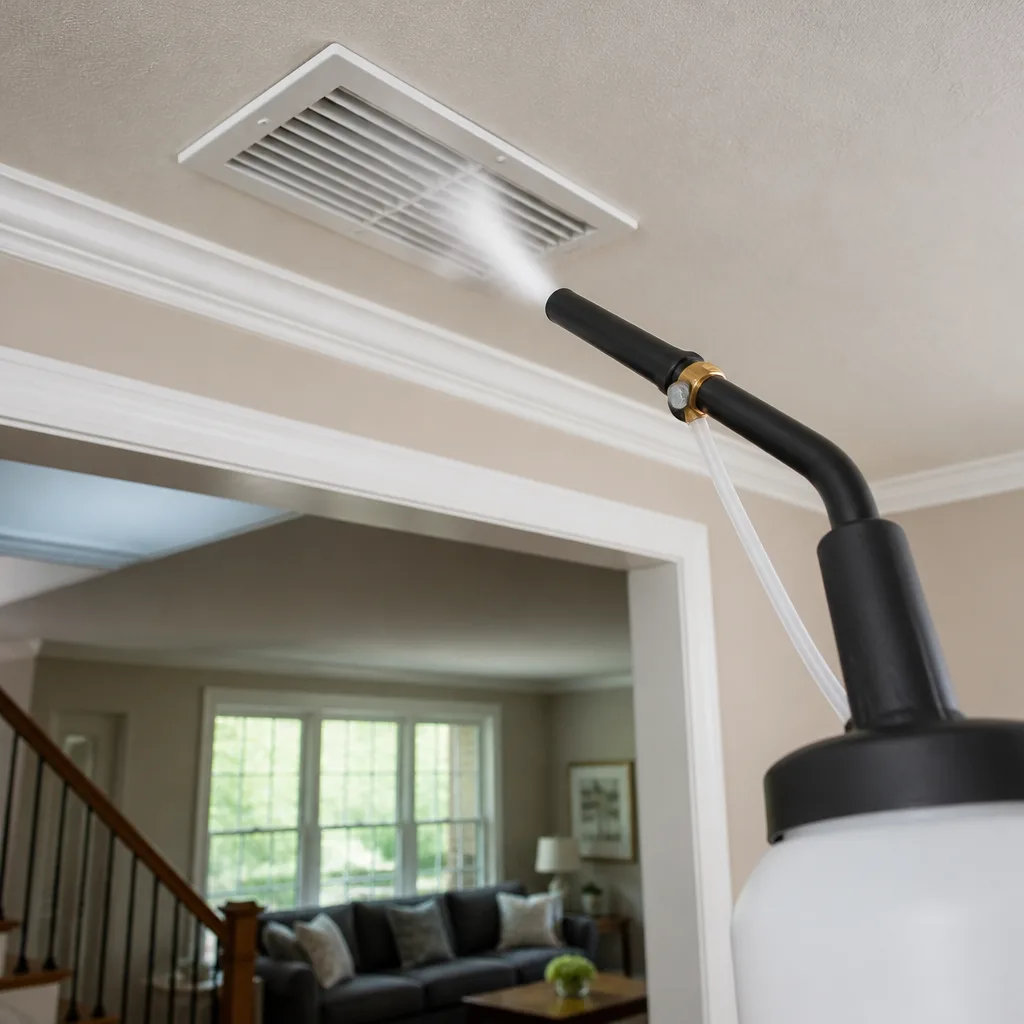 Sanitizing & deodorizing
Whole-system duct and dryer vent check with before-and-after photos - you see exactly what came out of your vents
That "$99 whole-house special" is a bait ad - the real number appears once they are in your hallway, or the "clean" is a shop-vac at the register. We photograph the inside of your ducts before and after instead.
How to Hire an Air Duct Cleaning Contractor in Murphy Creek: A Step-by-Step Guide
Most homeowners in Murphy Creek start their search by looking for a NADCA sticker or grabbing the lowest quote. Neither of those tells you what actually matters: whether the crew pulling up has a truck-mounted negative-air machine and a rotary brush system, or a shop vac with a logo taped to the side. The gap between those two setups is the entire quality question.
This guide walks you through how to vet an air duct cleaning contractor in Murphy Creek, step by step. You’ll learn the equipment questions to ask before booking, how to read a real scope-of-work proposal, how to compare quotes fairly when companies are pricing different jobs, and how to verify licensing and insurance in Colorado. No coupons, no scare tactics. Just the checks that separate a thorough job from a surface-level one.
Quick Answer
Hire an air duct cleaning contractor by asking what equipment they use (truck-mounted negative-air machine, rotary brush system, camera inspection), getting a written scope of work with line items rather than a “whole house” promise, and verifying state licensing and liability coverage before anyone arrives. The cheapest bid usually reflects a smaller scope, not a better deal, so compare line by line. A contractor who can answer equipment questions without hesitation and put the scope in writing is the one worth booking in Murphy Creek.
Styles & brands we work with
- Whole-home duct cleaning
- Dryer vent cleaning
- Camera inspection
- Sanitizing & deodorizing
Table of Contents
- What equipment questions should you ask before booking?
- Why do out-of-area companies flood Murphy Creek with $99 ads?
- What does a legitimate scope of work look like?
- How do you compare quotes when the scopes are different?
- How do you verify licensing and liability coverage in Colorado?
- Why does equipment brand familiarity matter for your system?
- Does a contractor clean the full HVAC system or just the ducts?
- How do you confirm the work was actually done?
What equipment questions should you ask before booking?
Ask what machine they run and how it captures debris, because that answer determines whether the dust leaves your home or gets pushed around inside it. A contractor using a real negative-air setup will describe it without hesitating.
Professional duct cleaning works on one principle: keep the duct system under negative pressure while you loosen debris with a rotary brush, then pull everything into a HEPA-filtered collection unit. Consumer equipment can’t hold that pressure. A shop vac generates airflow but no real seal, so dislodged dust can settle back into the ducts or drift into living space.
Here are the specific questions to run through before you book:
- What type of machine do you use? Look for a truck-mounted or portable negative-air machine built for HVAC work. Rotobrush and Nikro are the names serious contractors reference.
- What’s the CFM rating? CFM (cubic feet per minute) is the airflow the machine can sustain. Higher sustained airflow means better debris capture. Ask for the number, not a vague “powerful.”
- What brush system do you use? A rotary brush system reaches duct walls that a vacuum alone can’t clean. Ask whether they use one and what sizes they carry for different duct types.
- Do you do camera inspection? A camera lets the technician see duct interiors before and after, and it’s how you know the work reached past the first bend.
- Do you clean the air handler, blower, and coil? Debris collects in components beyond the duct runs. A contractor who stops at the accessible duct mouth leaves the source untouched.
If any of those questions gets a deflection or a sales pitch instead of a straight answer, that’s your signal. In our experience, the crews who take this work seriously are the ones who enjoy talking about their equipment.
Why do out-of-area companies flood Murphy Creek with $99 ads?
A $99 duct cleaning ad rarely describes the job you end up paying for, and out-of-area companies use that gap as a business model. They advertise a low entry price, arrive with limited equipment, then upsell on-site once the technician is standing in your hallway with a clipboard.
Murphy Creek sees this pattern because it’s a newer residential community with a steady stream of homeowners who’ve just moved in or finished a renovation. Those are exactly the customers a bait-and-switch operator wants: motivated, price-sensitive, and unfamiliar with how the work usually goes.
The typical script sounds like this. The advertised price covers “one main trunk” or “up to a certain number of vents.” Once on site, the technician points at your return ducts, your air handler, or your dryer vent and quotes each as an add-on. The final invoice ends up several times the ad. Some of these outfits are based well outside the Denver metro and have no local reputation to protect.
- Watch for: a price advertised before anyone has seen your system. Real pricing is per job, set by a written estimate after the scope is defined.
- Watch for: no physical address or local contact information. Out-of-area operators rely on being hard to find after the invoice.
- Watch for: a per-vent price with no mention of the air handler, blower, or coil.
- Watch for: pressure to decide on the spot or a “today only” discount.
The honest alternative is a contractor who asks about your system first, describes the scope, and gives you a flat price per system before any work starts. That’s how we structure estimates, and it’s the standard worth holding every bidder to in Murphy Creek.
What does a legitimate scope of work look like?
A legitimate scope of work lists exactly what will be cleaned, how, and what happens if the technician finds damage or disconnected ducts. A vague “whole house cleaning” promise is not a scope, it’s a slogan.
When you request an estimate for air duct cleaning, ask for the proposal in writing before you commit. A thorough one reads more like a checklist than a brochure. It should tell you which components the crew will address, how they’ll verify the results, and what’s excluded.
These are the line items a fair proposal includes:
- Supply and return duct runs – the number of runs being cleaned, not just “all of them.”
- Registers and grilles – removed, cleaned, and reinstalled, with counts.
- Air handler and blower – whether these are included or priced separately.
- Main trunk lines – the larger ductwork, spelled out.
- Before-and-after inspection – how results are documented, ideally with photos of your own system.
- Exclusions – what the crew won’t touch, and why.
- Price – a single flat figure per system, or clearly separated line items.
If the proposal mentions duct damage, ask how repair is handled. Most cleaning crews stop at cleaning and leave air loss or disconnections to someone else. We’ve seen plenty of Murphy Creek homes where a gap at a joint was the actual source of dust, not the duct interior. Repair and sealing belong in the conversation, because clean ducts leak the same as dirty ones.
How do you compare quotes when the scopes are different?
You compare quotes by lining up identical services side by side, because a $150 quote and a $600 quote are often describing two different jobs. The cheaper bid usually cleans less: fewer runs, no air handler, no coil, no inspection.
Before you call anyone, write down what your system includes. Count your supply registers and returns, note whether you have a finished basement with additional runs, and note the age of the air handler. Then ask each contractor to price the same list. This turns a confusing comparison into an apples-to-apples one.
Here’s the step-by-step method:
- Standardize the scope. Send every contractor the same list of components: duct runs, registers, air handler, blower, and coil.
- Ask for line-item pricing. Reject lump sums that don’t break down which components are included.
- Confirm equipment per quote. Ask each contractor which machine they’ll use. If the price is low and the equipment is a shop vac, the comparison is easy.
- Ask about repair and sealing. Note whether the quote includes any provision for disconnected or damaged ducts.
- Compare like with like. Put the quotes in a table with the same rows. The lowest number is only the best value if the rows match.
- Confirm the written estimate is final. Ask whether the quoted figure holds unless the technician finds something not visible during the estimate.
This matters more in Murphy Creek than in older neighborhoods because much of the housing stock is newer. Newer systems often have flexible duct runs and tighter layouts, so the number of runs and their accessibility shape the price. A quote that ignores that is guessing.
How do you verify licensing and liability coverage in Colorado?
Verify licensing and insurance by asking the contractor directly for their credentials and confirming them with the issuing body. Colorado does not issue a single statewide license for duct cleaning, so what matters is the contractor’s business registration, their liability coverage, and any trade-specific credentials they claim.
Here’s what to request and check:
- Business registration. Confirm the company is registered with the Colorado Secretary of State. This establishes who you’re actually contracting with.
- Certificate of liability insurance. Ask for a current certificate naming the coverage limits. This protects your home if something is damaged during the work.
- Workers’ compensation coverage. If a technician is injured in your home, workers’ comp is what keeps that off your homeowner policy.
- Trade credentials they claim. If a contractor says they belong to an industry association or hold a certification, ask for the membership number and check it.
- Local contact information. A physical address and a phone number you can reach are basic checks that filter out the transient operators.
The local professional we connect Murphy Creek homeowners with is licensed and insured as their state requires, and we’re glad to walk you through the credentials. When you’re comparing bids, don’t accept “we’re fully licensed” as a sentence. Ask for the documents. A contractor with real coverage produces them without a fuss, and a contractor without it changes the subject.
Why does equipment brand familiarity matter for your system?
Brand familiarity matters because your HVAC system already includes filtration and humidity components, and a contractor who understands them cleans more carefully around them. A crew that has never worked with Honeywell or Aprilaire controls won’t know how your filtration or humidity setup interacts with the ductwork.
Most homeowners think of duct cleaning as debris removal. But the full system includes the filter housing, the humidifier if you have one, the return plenum, and the blower compartment. Each of those components has a manufacturer’s guidance about how it should be handled. A contractor familiar with the brands in your system works with that guidance rather than around it.
Here’s why the brand question comes up in Murphy Creek specifically. Many homes here were built or updated with whole-home filtration and humidity control as part of the HVAC package. Those components collect dust and biological material just like the ducts do, and they need attention during a cleaning, not afterthought.
Familiarity with established air-quality brands is a fair proxy for how seriously a contractor takes the whole system. It’s not the deciding factor, but it’s a useful question. Ask what brands the technician has worked with. If the answer is a list of consumer filters from the hardware store, adjust your expectations.
Our technicians work with Honeywell and Aprilaire components, and we carry Abatement Technologies equipment for contaminant control. That background shapes how we approach a job: the ducts get cleaned, but the filtration and humidity components get checked too. On HVAC cleaning calls in Murphy Creek, that whole-system view is the difference between a tidy duct run and an air handler that actually breathes.
Does a contractor clean the full HVAC system or just the ducts?
Ask whether the job covers the full HVAC system or only the accessible duct runs, because the answer defines what you’re buying. Full-system cleaning includes the air handler, blower, coil, and return plenum. Duct-run cleaning stops at the visible ductwork.
This is the question most homeowners never ask, and it’s the one that matters most. A contractor cleaning only the accessible runs leaves the collection points untouched. Dust builds up on the blower wheel and coil, and cleaning the ducts around those components doesn’t remove it.
Here’s how to tell the difference:
- Full-system scope: the proposal lists the air handler, blower, coil, return plenum, supply and return runs, registers, and grilles. It describes camera inspection before and after. It addresses duct repair and sealing if gaps are found.
- Duct-run scope: the proposal lists “ducts” and “vents” and nothing else. It may use a “whole house” phrase without naming components. It doesn’t mention the air handler at all.
There’s a related question worth asking: does the contractor handle repair and sealing? Clean ducts lose air the same as dirty ones, and a disconnected joint will keep pulling dust into your living space no matter how well the ducts were cleaned. We’ve seen this often enough that it’s part of how we scope a job. Our five services are air duct cleaning, dryer vent cleaning, HVAC cleaning, duct repair and sealing, and air quality sanitizing. That last category matters because mechanical cleaning removes debris but doesn’t address mold spores or allergens on duct surfaces. Sanitizing and abatement work cover that gap.
Ask for the full scope in writing. If the contractor can’t articulate it, they probably can’t perform it.
How do you confirm the work was actually done?
Confirm the work by asking for before-and-after photos of your own system and a walkthrough of the components cleaned. A contractor who documents the job is a contractor who expects to be checked.
Photos are the simplest check and the most useful. Ask the technician to photograph the duct interior before cleaning and again after, and to show you the air handler and blower wheel. If the photos are generic stock images or the technician can’t produce them, you have your answer.
Here’s what else to ask for at the end of the job:
- Before-and-after photos of your duct interiors and air handler.
- A walkthrough of each component that was cleaned, so you can see what changed.
- A written summary of what was done, including any repair or sealing performed.
- Notes on anything not addressed that needs follow-up, like damaged duct joints or a worn filter housing.
The best time to set this expectation is before you book. Ask the contractor how they document their work. Their answer will tell you whether the job comes with proof or with a receipt. In our experience, homeowners who ask for photos up front get better work, because the crew knows the results will be reviewed. The same principle applies to a standalone dryer vent cleaning visit, where the photos are just as useful for confirming the vent run was actually cleared.
Common Mistakes to Avoid
- Booking on price alone. A low quote usually reflects a smaller scope. Compare line items before you compare totals, or you’ll be comparing two different jobs.
- Not asking about equipment. If you don’t ask what machine they use, you won’t know until the technician arrives whether it’s a negative-air system or a shop vac. Ask on the phone.
- Accepting a “whole house” promise. That phrase tells you nothing. Ask which components the crew will actually clean, including the air handler, blower, and coil.
- Skipping the insurance check. Colorado doesn’t issue a single statewide license for this work, so the certificate of liability insurance and workers’ comp coverage are the documents that matter. Request them before booking.
- Ignoring duct damage. Cleaning dirty ducts that are disconnected or leaky doesn’t solve the problem. Ask whether the contractor can repair and seal as well as clean.
- Assuming a new home doesn’t need it. Construction dust and debris from a recent build or remodel settle in the ducts and air handler. Newer Murphy Creek homes often need a first cleaning after the renovation phase, not years later.
- Letting an out-of-area company in without local references. If the company can’t name a local address or local customers, the accountability question is answered.
See the difference
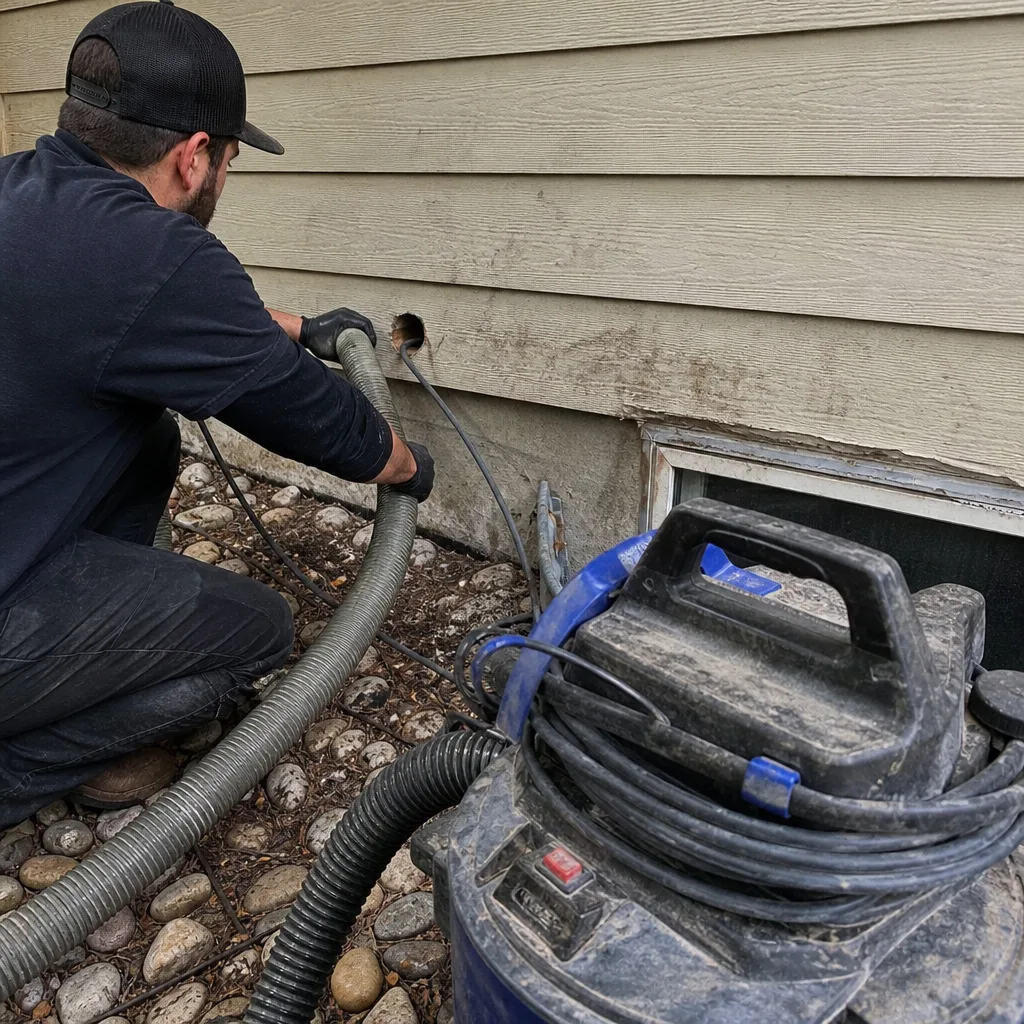 Before
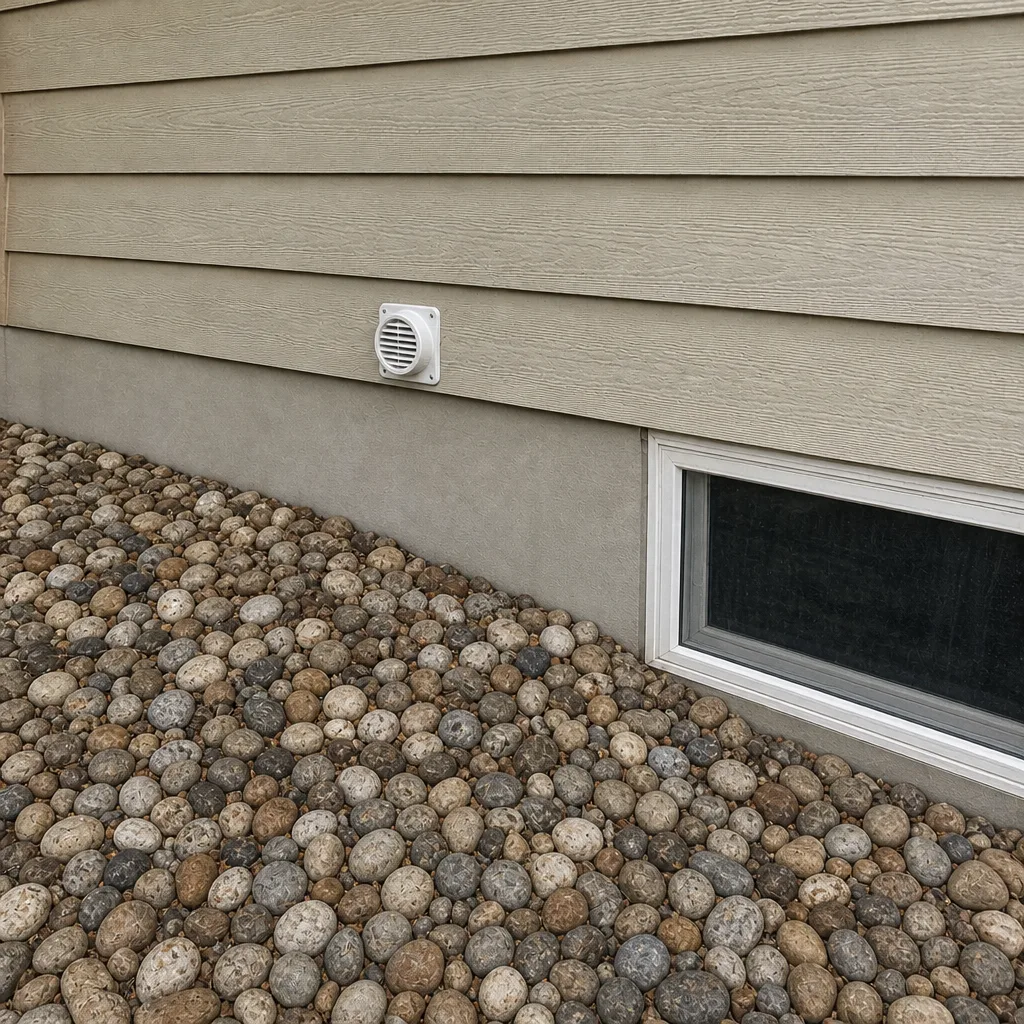 After
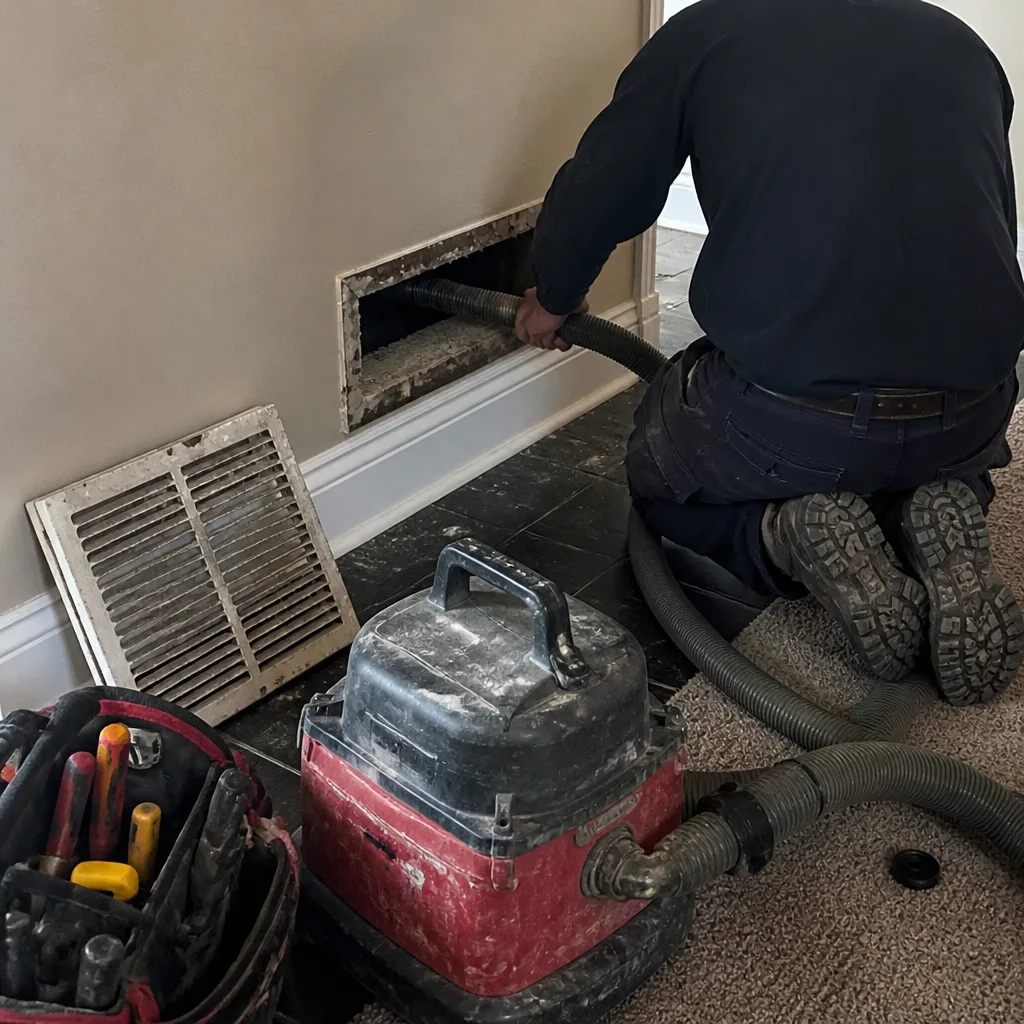 Before
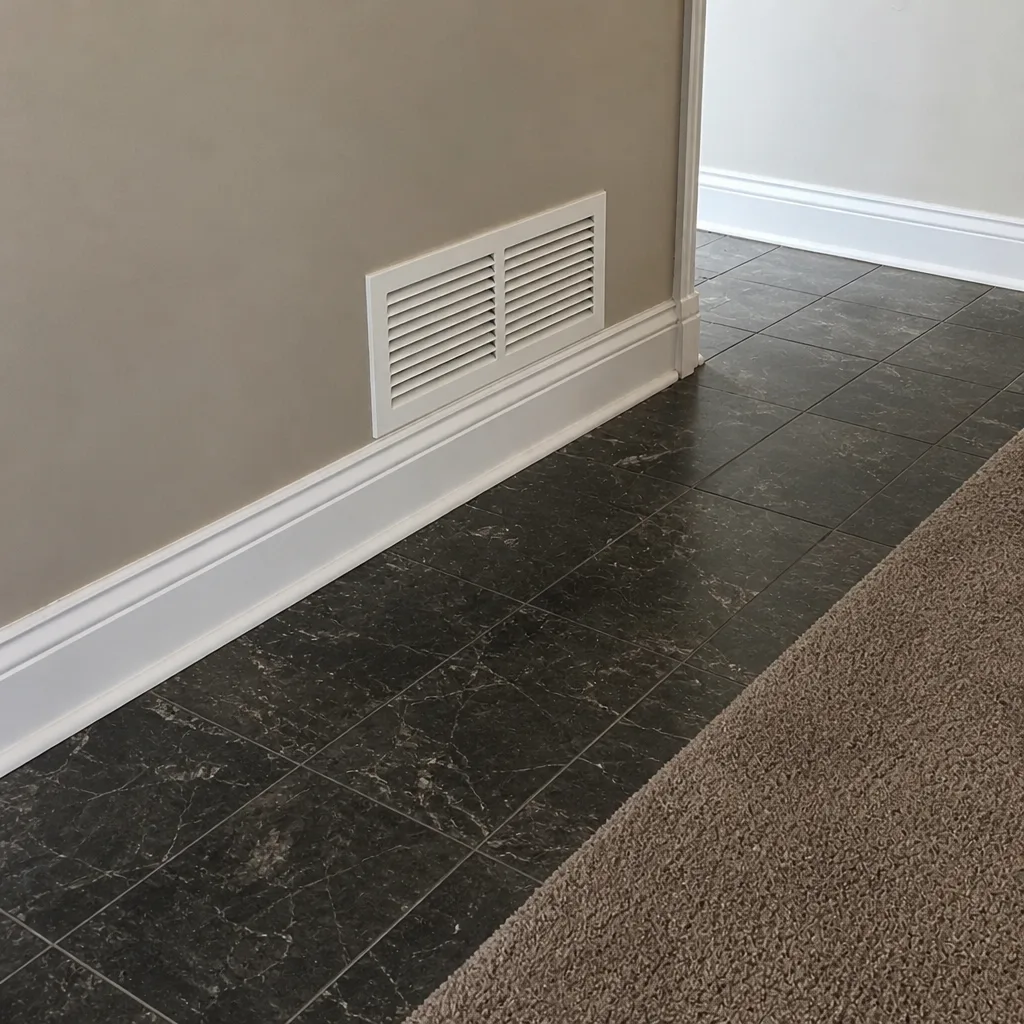 After
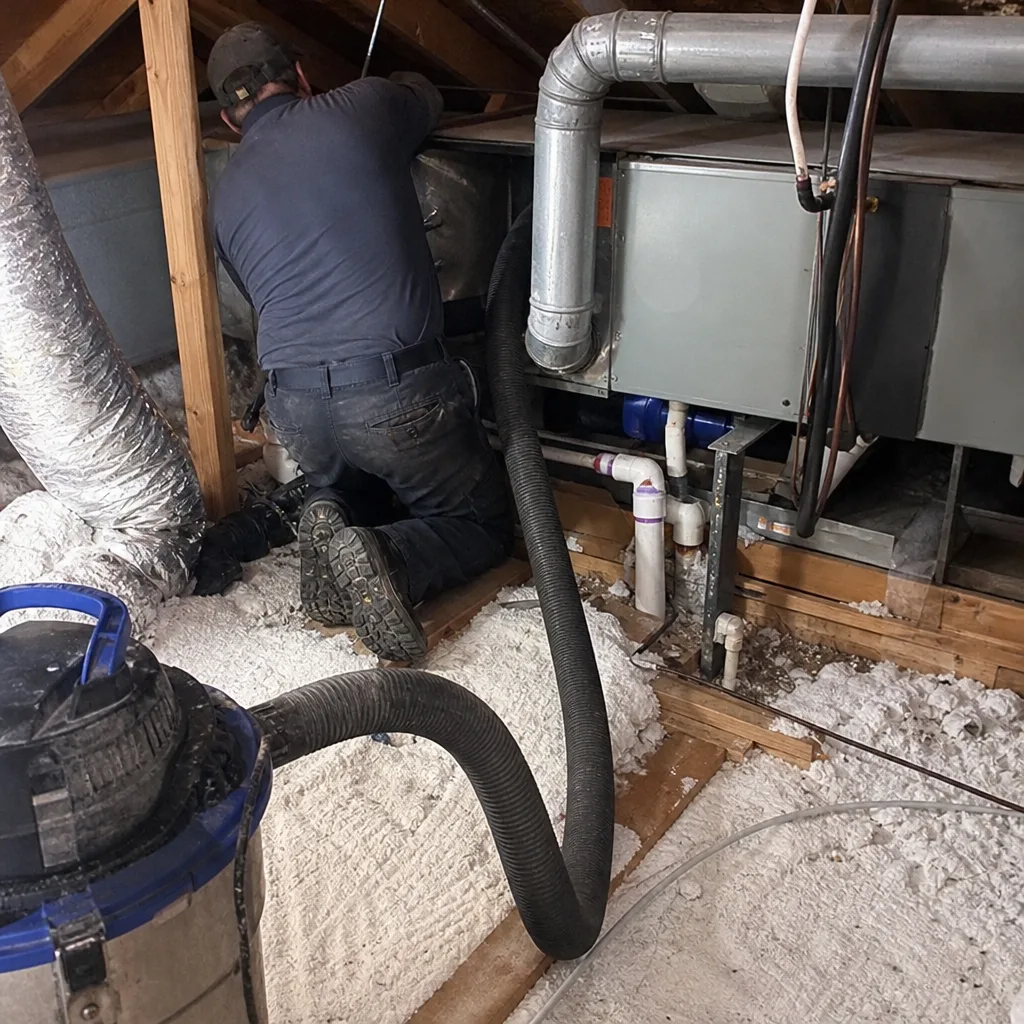 Before
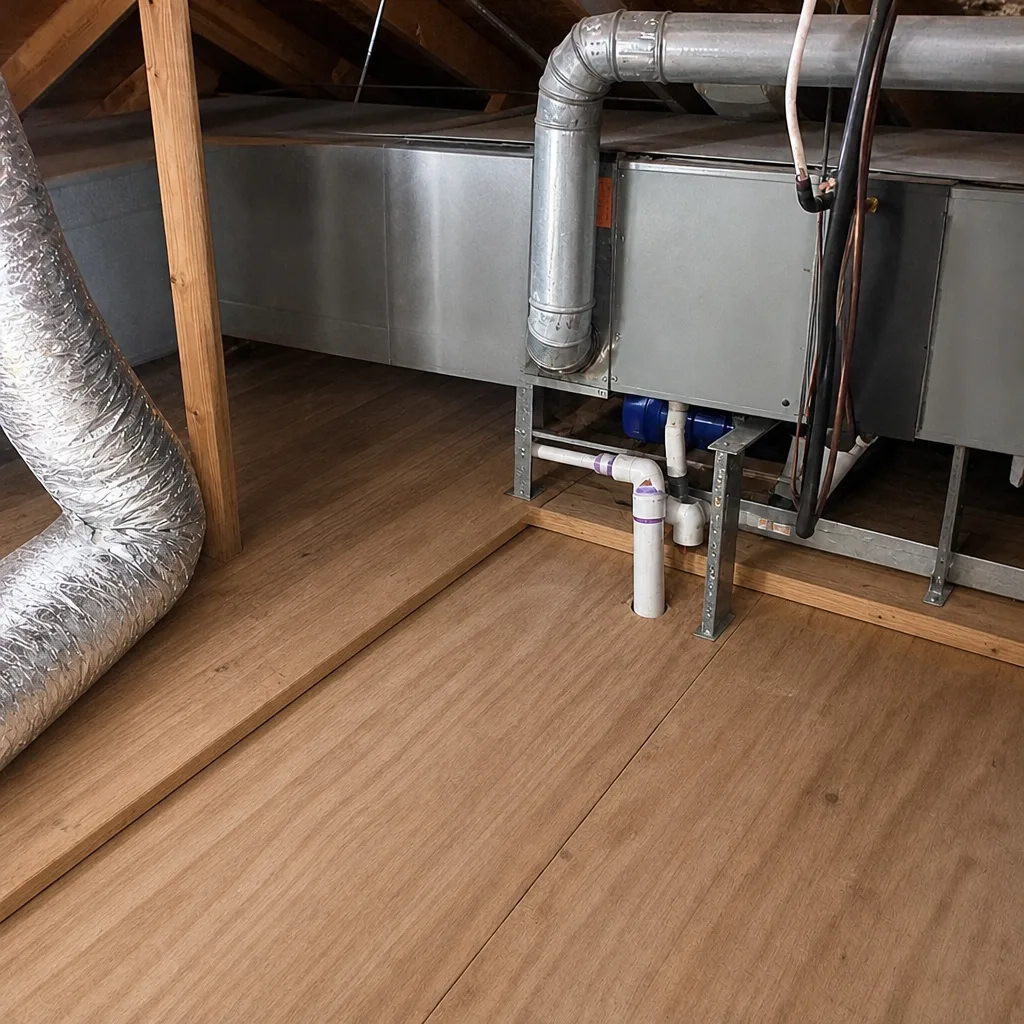 After
When to Call a Professional
Call a professional when you notice visible dust streaming from a register, a musty or stale smell when the heat or air conditioning kicks on, or a noticeable drop in airflow. Those signals usually point to debris or a disconnected duct, and both need trained attention. A recent renovation, a new-home purchase, or a family member with allergies are other good reasons for an inspection.
Don’t attempt to clean the system yourself with a shop vac. Air handlers and duct interiors involve electrical and mechanical components, and a consumer vacuum can’t hold negative pressure, so it moves dust around rather than trapping it. Leave the work to trained technicians with professional-grade equipment.
Air Duct Cleaning Murphy Creek offers free estimates in Murphy Creek. Here’s how we work: one flat price per system agreed before work starts, no per-vent pricing, and before-and-after photos of your own ducts. Call (855) 658-5202 and we’ll talk through the scope before anything is booked.
Frequently Asked Questions
Expect a flat price per system, quoted after the scope is defined, rather than a per-vent number. The cost depends on the number of runs, whether the air handler and coil are included, and whether repair or sealing is needed. Be cautious of any figure quoted before anyone has seen your system. Call (855) 658-5202 for an exact quote; estimates are free.
Cheaper quotes usually describe a smaller scope: fewer runs, no air handler, no coil, and no camera inspection. They may also reflect consumer-grade equipment instead of a negative-air machine. The quote is only comparable if the line items match. Call (855) 658-5202 for an exact quote; estimates are free.
Ask for before-and-after photos of your own ducts and a walkthrough of each component cleaned. A contractor who documents the job expects you to check. Set that expectation when you book. Call (855) 658-5202 for an exact quote; estimates are free.
Most homes do well with a cleaning every few years, or sooner after a renovation, a new-home purchase, or if you’ve noticed a musty smell or visible dust from the registers. There’s no fixed schedule that fits every home. Call (855) 658-5202 for an exact quote; estimates are free.
NADCA membership is a useful signal, but it doesn’t tell you whether the crew has a negative-air machine or a shop vac. Ask about equipment and scope directly, and check the contractor’s insurance documents. Those checks answer more than any single sticker. Call (855) 658-5202 for an exact quote; estimates are free.
It depends on the contractor. Many cleaning crews stop at cleaning and leave repair to someone else. A contractor offering duct repair and sealing can handle both, which means the air loss gets fixed at the source. Call (855) 658-5202 for an exact quote; estimates are free.
The Bottom Line
Hiring a duct cleaning contractor in Murphy Creek comes down to one question: does this company clean the full HVAC system, and do they have the equipment to prove it? Ask about the machine, the CFM rating, the brush system, and camera inspection. Request a written scope with line items instead of a “whole house” promise. Verify licensing and insurance with actual documents. Compare quotes on identical scopes, not on totals. A contractor who answers all of that without hesitation is the one worth booking, and the price should be one flat figure per system agreed before any work starts.
Call (855) 658-5202 for a free estimate. We answer 24/7. Fast dispatch from 7am to 7pm, Sunday through Friday.
Written by the team at Air Duct Cleaning Murphy Creek.