
Last updated November 24, 2026
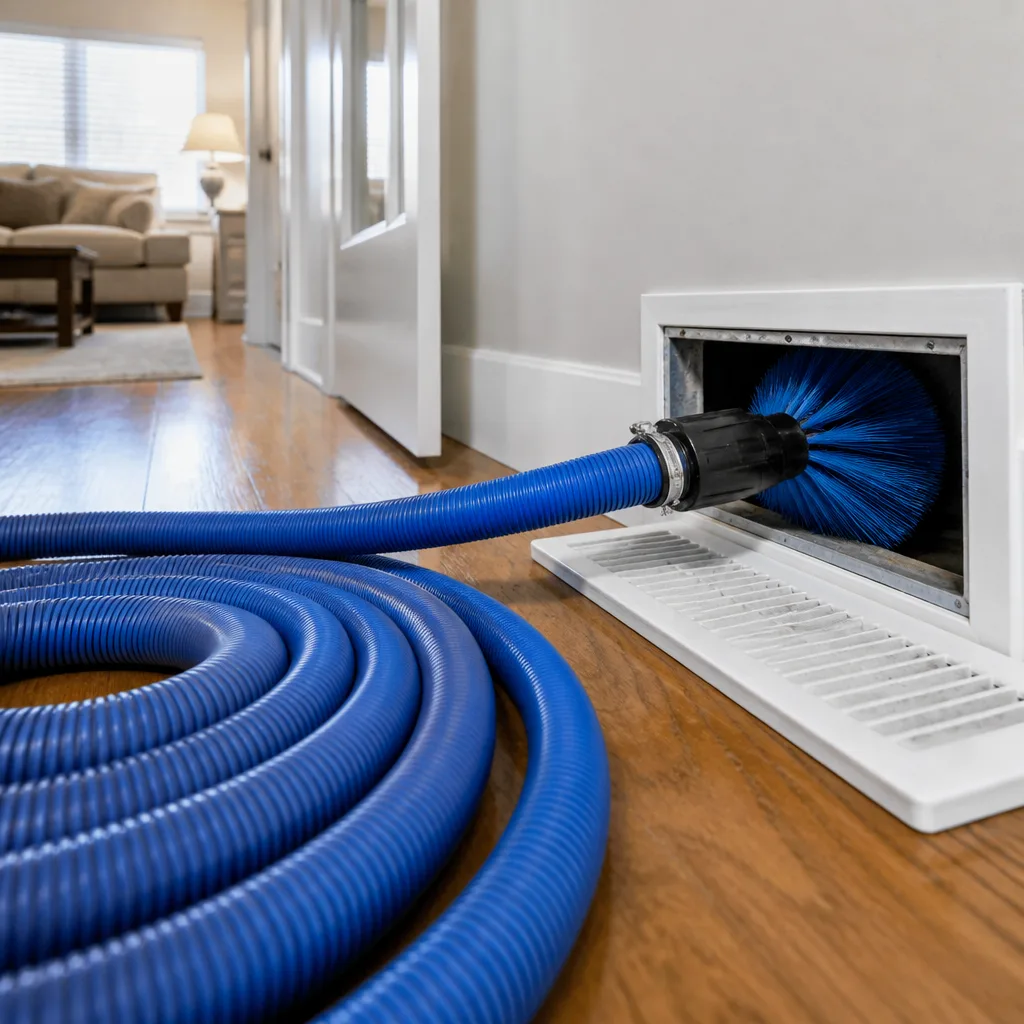 Whole-home duct cleaning
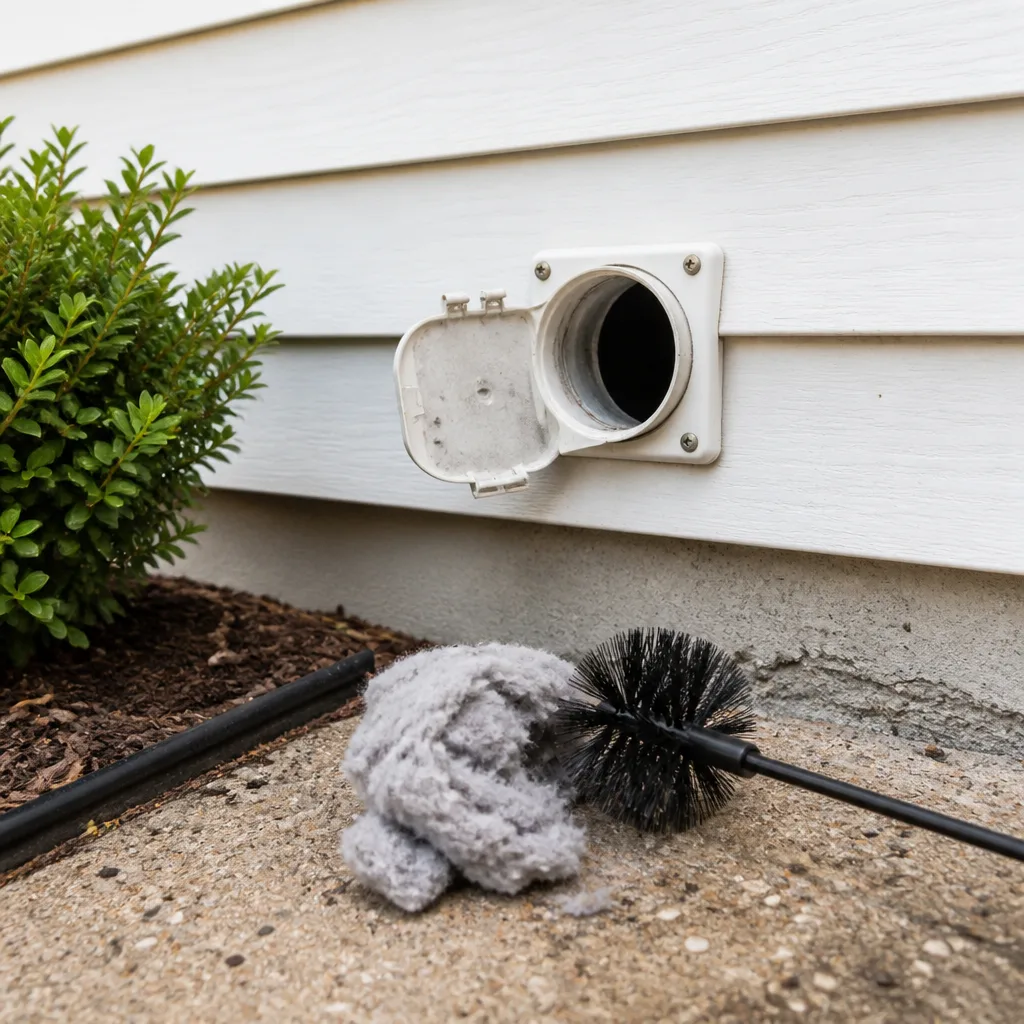 Dryer vent cleaning
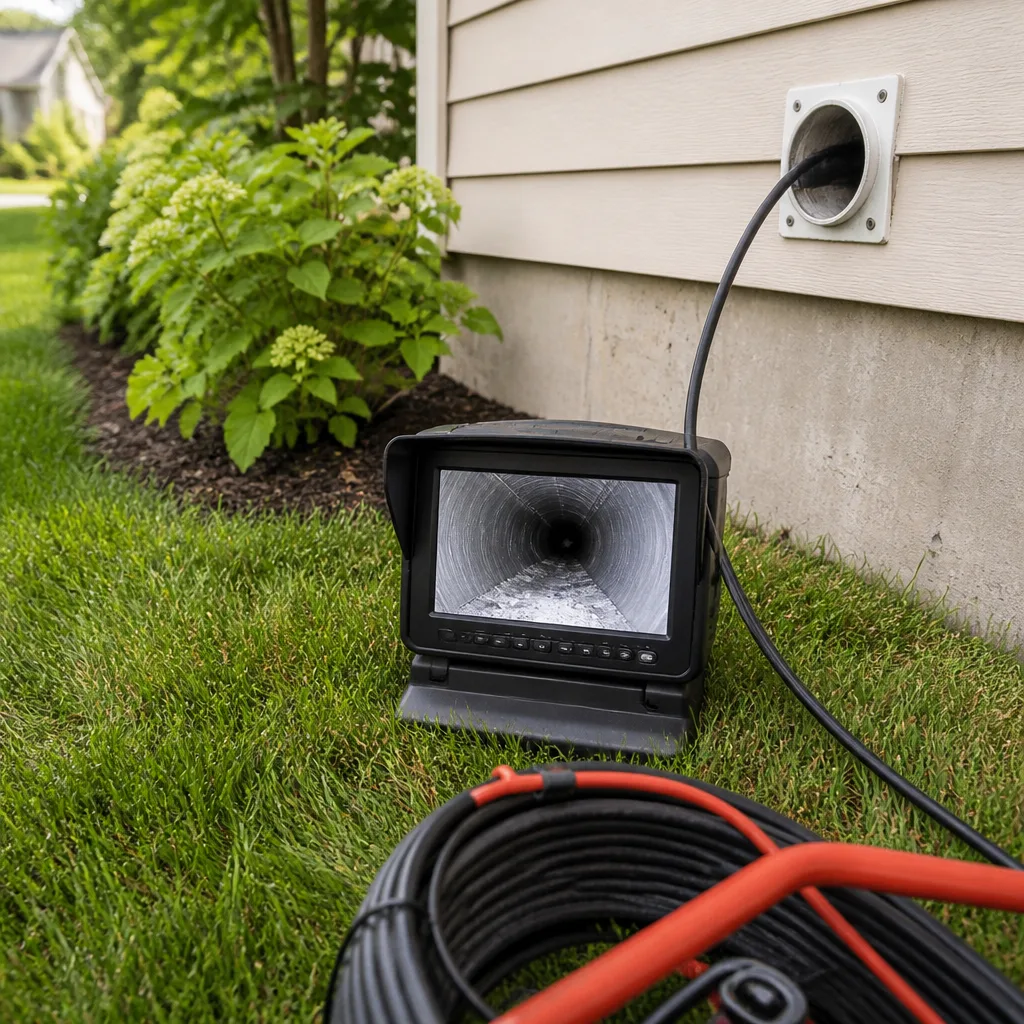 Camera inspection
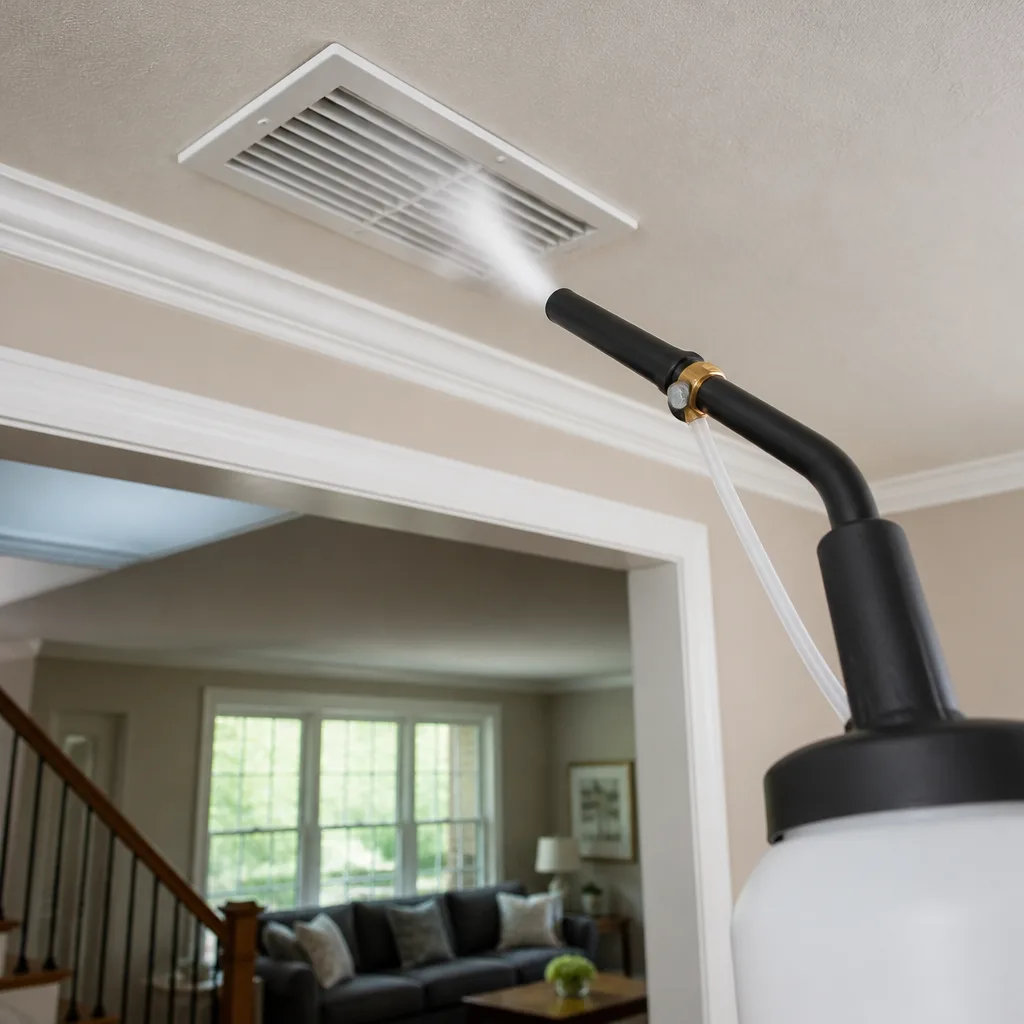 Sanitizing & deodorizing
Whole-system duct and dryer vent check with before-and-after photos - you see exactly what came out of your vents
That "$99 whole-house special" is a bait ad - the real number appears once they are in your hallway, or the "clean" is a shop-vac at the register. We photograph the inside of your ducts before and after instead.
Air Duct Cleaning Warning Signs: A Murphy Creek Homeowner’s Reference Guide
If you can see dust drifting out of a supply register, the contamination inside your duct system is already well advanced. That’s the uncomfortable truth about duct problems: the visible stuff is late-stage. The early indicators that a Murphy Creek home actually needs professional attention are quieter and easier to miss. They show up as uneven room temperatures, a furnace that suddenly runs longer, or a smell you can’t quite place. This guide walks through the warning signs worth tracking before anything becomes visible, the difference between a localized duct problem and a system-wide one, and how a technician tells them apart.
Quick Answer
The real warning signs of a duct system that needs professional service are uneven airflow between rooms, longer HVAC runtimes, and changes in smell or air quality, not dust you can see. Visible debris and dirty registers are confirmation that a problem is already advanced. In Murphy Creek, homes in newer build phases also carry a distinct set of early symptoms tied to construction dust and off-gassing that settle into ductwork before anyone moves in.
Styles & brands we work with
- Whole-home duct cleaning
- Dryer vent cleaning
- Camera inspection
- Sanitizing & deodorizing
Table of Contents
- Why the Warning Signs Are Mostly Invisible
- Airflow Asymmetry Between Rooms
- HVAC Runtime Creep: When the System Runs Longer
- Smell Differentiation: Musty vs. Dusty vs. Chemical
- The New Construction Symptom Cluster in Murphy Creek
- One Room vs. the Whole System
- How a Technician Diagnoses Duct Problems
- Common Mistakes to Avoid
- When to Call a Professional
Why the Warning Signs Are Mostly Invisible
Most homeowners track duct health by what they can see. That’s the wrong measure. By the time dust is puffing visibly out of a vent or register grilles look coated, the duct system has been accumulating contamination for a while and has crossed from a maintenance question into a service one. The quiet indicators come first, and they’re the ones worth paying attention to.
Air duct cleaning in Murphy Creek is usually a response to a build-up, not a routine. The ducts themselves are a passive pathway. They don’t create problems. They collect them. What collects depends on how the home is built, how it’s ventilated, what’s happening in the house during the day, and how well the system has been sealed and maintained. That’s why the earliest signs are usually behavioral rather than visual.
Three categories of early warning show up most often:
- Mechanical signs. The system runs longer than it used to, cycles on and off in a pattern that has changed, or has to work harder to hit a setpoint.
- Comfort signs. One room heats or cools fine while another stays off-target despite being the same distance from the air handler.
- Sensory signs. A smell you notice on start-up, when entering the house, or only in one room. Sometimes the change is a loss of the neutral smell you used to have.
Dust on the registers is the confirmation layer. It tells you that particles are making it out of the ducts and into the room, but it arrives after the mechanical and comfort signs have already been telling the story. Instead of scrolling through a decade of duct-cleaning marketing, learn the signals below and treat them as a triage checklist for your own home.
Airflow Asymmetry Between Rooms
Airflow asymmetry means two rooms served by duct runs of similar length from the same air handler are receiving noticeably different amounts of air. If the bedrooms nearest your furnace cool quickly while a third bedroom in the same hallway stays 4 to 6 degrees warmer, or if a basement room blows strongly while the room above the garage barely moves air, something in the distribution is off. Most homeowners blame the thermostat. Most of the time, it isn’t the thermostat.
Airflow differences usually trace back to one of a handful of causes inside the duct system itself:
- Partial blockage. A collapsed flex run, a damper left partly closed, or debris accumulated at a turn or transition.
- Duct leakage. Sealed poorly or not at all at joints and takeoffs, so supply air leaks into unconditioned space before it reaches the room.
- Undersized or crimped runs. A run that was installed too narrow, or bent so tightly that the interior channel is restricted.
- Disconnected supply runs. A boot that has come loose from the register or from the trunk. Common in homes with high attic heat and heavy seasonal cycling.
In Murphy Creek, where a lot of housing sits in newer subdivisions, we see transitions between the main trunk and individual runs that were never fully sealed from the start. Over a few heating and cooling seasons, the pressure and thermal cycling widens those gaps. The result is a room that was fine on a home inspection but feels progressively worse. The good news is that airflow asymmetry is one of the most diagnosable duct conditions, and duct repair and sealing is often the answer rather than another round of cleaning. A technician measures static pressure and airflow at each register to find the actual cause.
HVAC Runtime Creep: When the System Runs Longer
Runtime creep is when your furnace or air conditioner starts running noticeably longer to reach the same temperature it used to hit more easily. Nothing about the thermostat setpoint has changed. The room still feels comfortable eventually. But the pattern has shifted, and you’re aware of it in a way you weren’t before. This is one of the strongest early indicators of duct leakage or restriction. It’s also one of the most commonly misdiagnosed, because homeowners and sometimes technicians assume the equipment is aging when the duct system is the mechanical cause.
Why it matters: restricted or leaky ducts make the blower work harder to deliver the same volume of conditioned air, so the system runs past its old cycle length to hit the target temperature. A sealed and unobstructed system gets the room to setpoint faster. As ducts leak or load up with debris, that efficiency is lost.
What you can track yourself:
- Pick a few similar days over a week. Note when the system starts and stops to hit the same setpoint.
- Compare runtime now to your memory of how the system ran one or two seasons ago. It’s not a precise number, just a pattern.
- Check whether the difference correlates with recent work in the house (renovation, new furniture, weather strip changes) or nothing at all.
- If runtimes have stretched by more than a small margin and the pattern holds across multiple days, that’s a signal to have airflow and duct integrity checked.
We’ve seen runtime creep from simple causes and complicated ones. Often it comes down to a partially disconnected supply run in an unconditioned attic or a sealed duct system that was never actually sealed in the first place. Getting the ducts tested closes the loop.
Smell Differentiation: Musty vs. Dusty vs. Chemical
Smell is the most useful diagnostic signal a homeowner has, but only if you pay attention to which kind of smell it is. Three odors point to three different duct system problems, and they call for different interventions. Treating them as one generic “musty duct” issue is how homeowners wind up paying for the wrong service.
Musty smell
A musty odor usually means moisture where there should be none. Common sources are condensation in a duct run that passes through a cool space, a poorly sealed connection letting humid air into the system, or biological growth on interior duct surfaces. A musty smell should be taken seriously and looked at promptly, because moisture in a duct system can support mold over time. In our experience, a full mechanical cleaning paired with sanitizing is often part of the answer, and Abatement Technologies products are used because they’re designed specifically for contaminant control in HVAC environments rather than as a general-purpose spray.
Dusty smell
A dusty smell, distinct from musty, usually indicates accumulated particulate debris. It’s most noticeable at start-up or when the system first comes on for the day. The debris might be in the supply trunks, at the return plenum, or settled in the blower compartment. A dusty smell rarely requires sanitizing. It’s a mechanical cleaning job, and the focus is on getting all of the material out systematically rather than a light surface pass.
Chemical or solvent smell
A chemical smell in a house that has recently been renovated or recently built often traces to off-gassing from adhesives, sealants, paints, or flooring that have been drawn into the return air and pushed through the system. It also sometimes points to an HVAC component issue, not the ducts themselves. Chemical odors are one of the reasons new-build and renovation duct work needs more than a standard cleaning pass; it’s also why we treat new construction as its own diagnostic category rather than folding it into general maintenance.
The New Construction Symptom Cluster in Murphy Creek
New homes in Murphy Creek’s growing subdivisions come with their own cluster of duct symptoms. That’s not a defect in any single build. It’s the natural result of construction happening around and inside the ductwork during the build phase. Even when builders take care to cap the registers and protect the ducts, the reality is that most new duct systems have run through a construction environment for months before the homeowner ever moves in.
Three things happen to ductwork during construction:
- Drywall dust settles in the system. Drywall sanding produces fine particulate that finds its way into every open surface of the house, including registers and supply boots that were open during finishing. Even briefly open runs collect a layer.
- Construction debris lands in the ducts. Small scraps of framing, insulation, drywall, paper, and packaging end up inside the ductwork in ways that a final walkthrough doesn’t catch.
- Adhesives and finishes off-gas into the return. Seam sealants, caulks, paints, flooring adhesives, cabinetry finishes, and appliances all release volatile compounds during the first weeks and months. The HVAC system circulates some of that air through the return plenum, and it can leave a persistent chemical or paint-like smell even after the rest of the house smells normal.
The visible symptom cluster in a new Murphy Creek home often looks like this: a faint chemical odor that persists after the paint smell should have cleared, fine drywall dust on the first warm registers to come on, and uneven airflow because some runs haven’t been fully sealed at the boot and takeoff connections. New homeowners should expect to be told “nothing to worry about, it’s a new house.” Sometimes that’s right. But a house that still smells like construction months after move-in usually has something in the duct system worth investigating, and a system-level cleaning is the right first step.
For property managers turning over units in newer builds, the same cluster tends to show up at turnover: dust on registers, a lingering smell, and a complaint about one bedroom not heating properly. It’s less about the specific unit and more about where the build is in its lifecycle.
One Room vs. the Whole System
A single-room air quality complaint is the most ambiguous signal on this list, and it’s the one homeowners most often misinterpret in both directions. Sometimes a room-specific complaint is genuinely local: a single duct problem, a single register that isn’t fully connected, a single return that’s undersized, or a localized airflow issue that affects only that room. Other times, a complaint about one room is the first symptom of a system-wide issue, and the room in question is simply the most sensitive to it.
The distinction matters because the intervention is different. A whole-system cleaning when the problem is a single misaligned boot wastes money. Cleaning one run when the whole trunk system is deteriorated misses the root cause and the problem returns within months.
How to reason through the difference:
- Local duct problem indicators. The complaint is tied to a specific room, at a specific distance from the air handler, and the neighboring rooms are consistently fine across seasons. Airflow to that room has always been a little weaker, and it’s not progressing.
- System-wide indicators. The problem room was fine one or two seasons ago. Other rooms are also subtly off but less noticeable. The whole-house smell has changed. Runtime creep is present. Multiple registers show dust at similar timing.
- Borderline indicators. The problem room and its neighbor are both affected, but rooms further away aren’t yet. This usually points to a transition or trunk-level issue that hasn’t fully spread.
The way to settle it is with measurement, discussed below. A technician with the right equipment can test airflow and, where needed, look into the ducts to see whether the problem is a local obstruction or a system-wide condition.
How a Technician Diagnoses Duct Problems
Diagnosing a duct problem isn’t guesswork, and it isn’t a visual inspection of the registers. It’s a measurement process. Here’s how the work typically runs, in the order a technician usually follows:
- Interview. A short conversation about symptoms, timing, and what’s changed recently. This is where most of the diagnosis starts. The interviewer is listening for the category of warning sign (mechanical, comfort, or sensory) to narrow the search.
- Airflow measurement at the registers. A technician measures airflow at each supply and return register to build a picture of which runs are moving air and which aren’t. This is usually where airflow asymmetry shows up as a number rather than a feeling.
- Static pressure check. Static pressure across the system indicates how hard the blower is working to move air. High static pressure typically points to restriction or undersized ductwork, and it’s the most direct way to catch runtime creep’s mechanical cause.
- Internal inspection where needed. In cases where obstruction, disconnection, or biological growth is suspected, a technician inspects interior duct surfaces. This is where contamination beyond what can be caught externally becomes visible, and where the difference between a dusty duct and a musty duct is settled.
- Seal and connection check. Joints, takeoffs, boots, and the connection to the air handler are inspected for gaps. In homes that have been through a build or a renovation, this is where a lot of the airflow asymmetry actually lives.
- Recommendation. A written estimate that sets out the specific work for the specific problem, whether that’s cleaning, repair and sealing, sanitizing after abatement, or a combination. The written estimate sets the final price.
The benefit of this approach is that it closes the loop. A duct system isn’t clean until the source of contamination has also been addressed. Cleaning without sealing just resets the clock on a leaky system and re-contaminates the ducts with dust pulled from unconditioned space. That’s why we work with Honeywell and Aprilaire systems and stock Abatement Technologies products: the same approach that handles the visible cleaning also handles the filtration and moisture side of the equation that created the problem.
On the mechanical cleaning itself, we use Rotobrush and Nikro systems, the same professional-grade rotary brush and HVAC extraction equipment that commercial contractors rely on. Consumer-grade shop-vac setups don’t do the same job on the interior surfaces of a duct run, and they’re one of the reasons some cleaning services don’t hold.
Common Mistakes to Avoid
- Waiting for visible dust before booking a service. By the time registers look coated, the system has usually been accumulating for a season or longer. Track the quieter signs instead. Dusty registers are confirmation, not the alert.
- Blaming the thermostat for uneven rooms. In a house where one room has always run a few degrees off, that’s an airflow problem nine times out of ten. Replacing a thermostat won’t fix an undersized or disconnected supply run.
- Assuming a new build is fine because it’s new. Newer homes in Murphy Creek’s recent subdivisions went through construction with ductwork that was open at some point during the build. Drywall dust, framing debris, and adhesive off-gassing get into the system before move-in. A first-year system cleaning is often worth a conversation.
- Cleaning without sealing. A cleaning pass on a leaky duct system removes the current contamination but leaves every gap that re-contaminates it. If a technician won’t discuss duct repair and sealing as part of the plan, ask why.
- Choosing the lowest quote without checking the equipment. The difference between a professional extraction system and a consumer vacuum shows up in the interior surfaces, not the price sheet. Ask what equipment will actually be used on the job.
- Treating all smells the same way. Musty, dusty, and chemical odors point to different interventions. A one-size cleaning doesn’t resolve a moisture or off-gas problem, and it can spread biological material that was better abated.
- Deciding there’s nothing to check when a smell is faint. The most useful duct complaints start with a smell someone describes as “probably nothing.” It’s usually something, and a short diagnostic visit settles it. Call us and we’ll tell you honestly whether there’s a job in it.
When to Call a Professional
Call a professional when any of the following is present: a musty smell anywhere in the house, a chemical smell that persists after renovation or a new build, a room that has drifted off-temperature when neighbors haven’t, runtime creep that’s held for a week or more, a recent renovation with a lot of drywall work, a new-to-you house with unknown maintenance history, or a ductwork system you’ve never had looked at in a house you’ve owned for several years. For a dryer vent with lint accumulation or long run length, we also handle dryer vent cleaning as a standalone safety service, because the fire risk is real on top of the airflow concern. Air Duct Cleaning Murphy Creek offers free estimates in Murphy Creek. Call (855) 658-5202. We answer 24/7. Fast dispatch from 7am to 7pm, Sunday through Friday.
See the difference
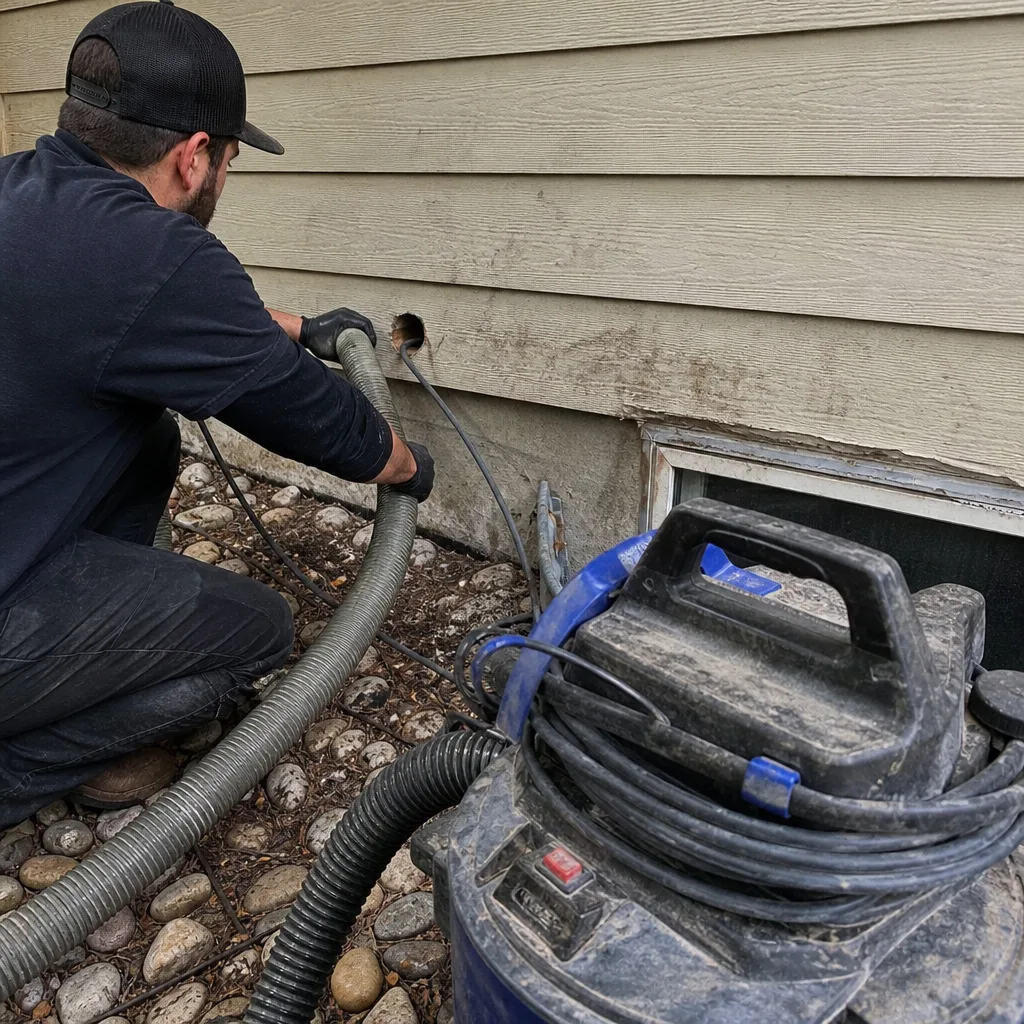 Before
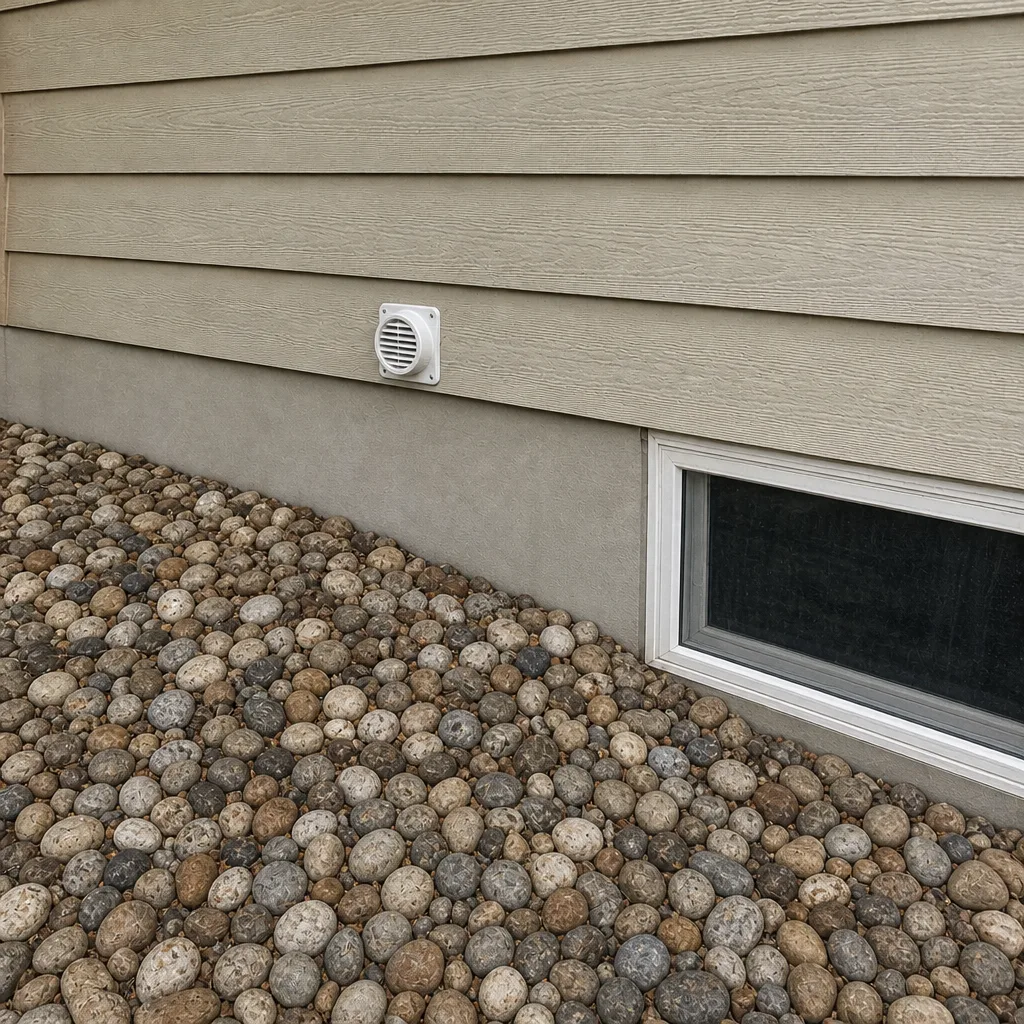 After
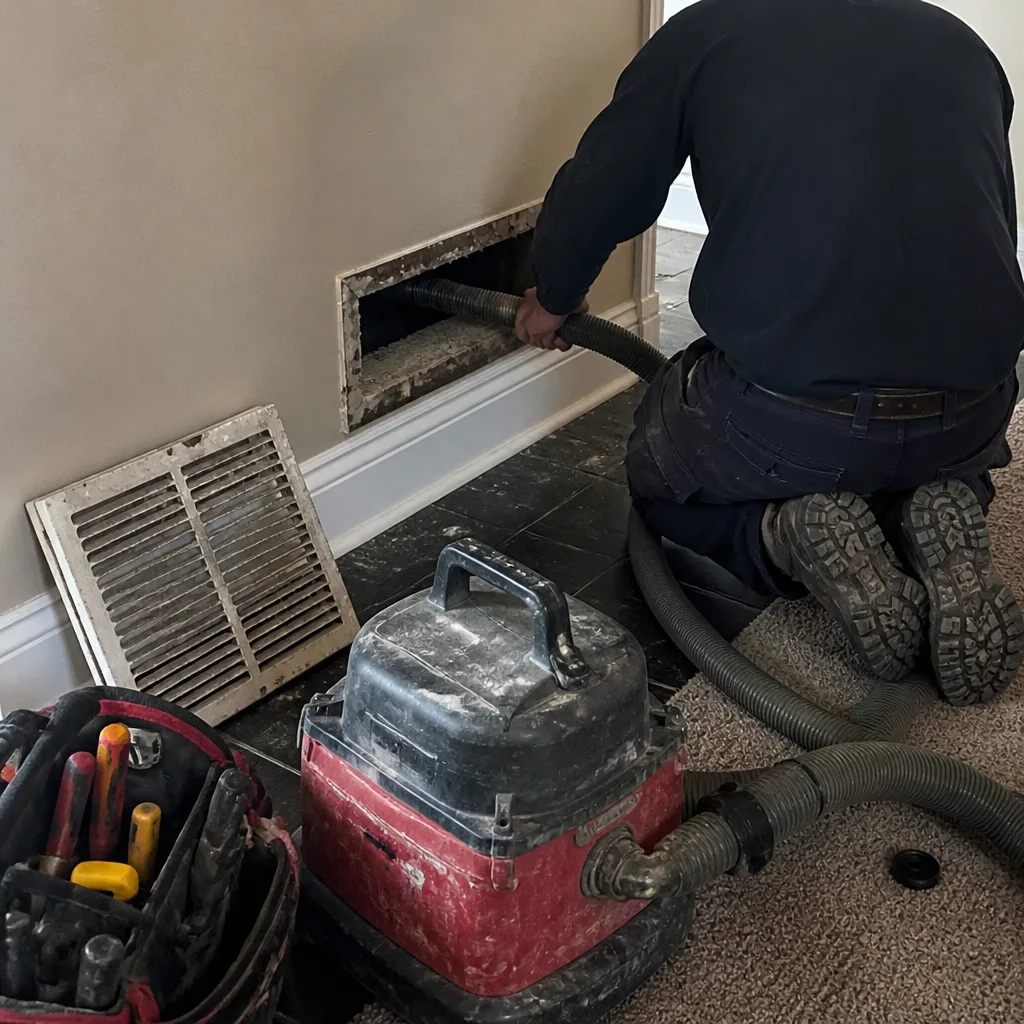 Before
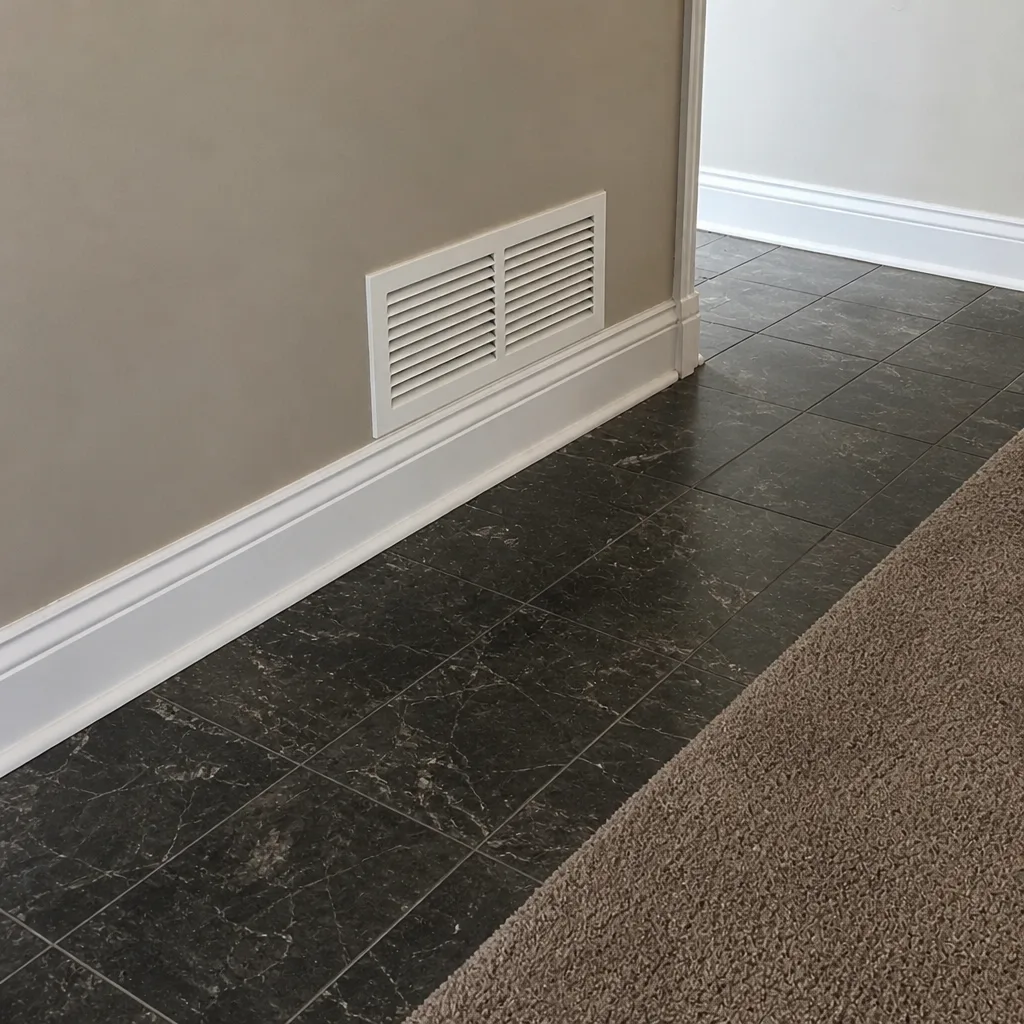 After
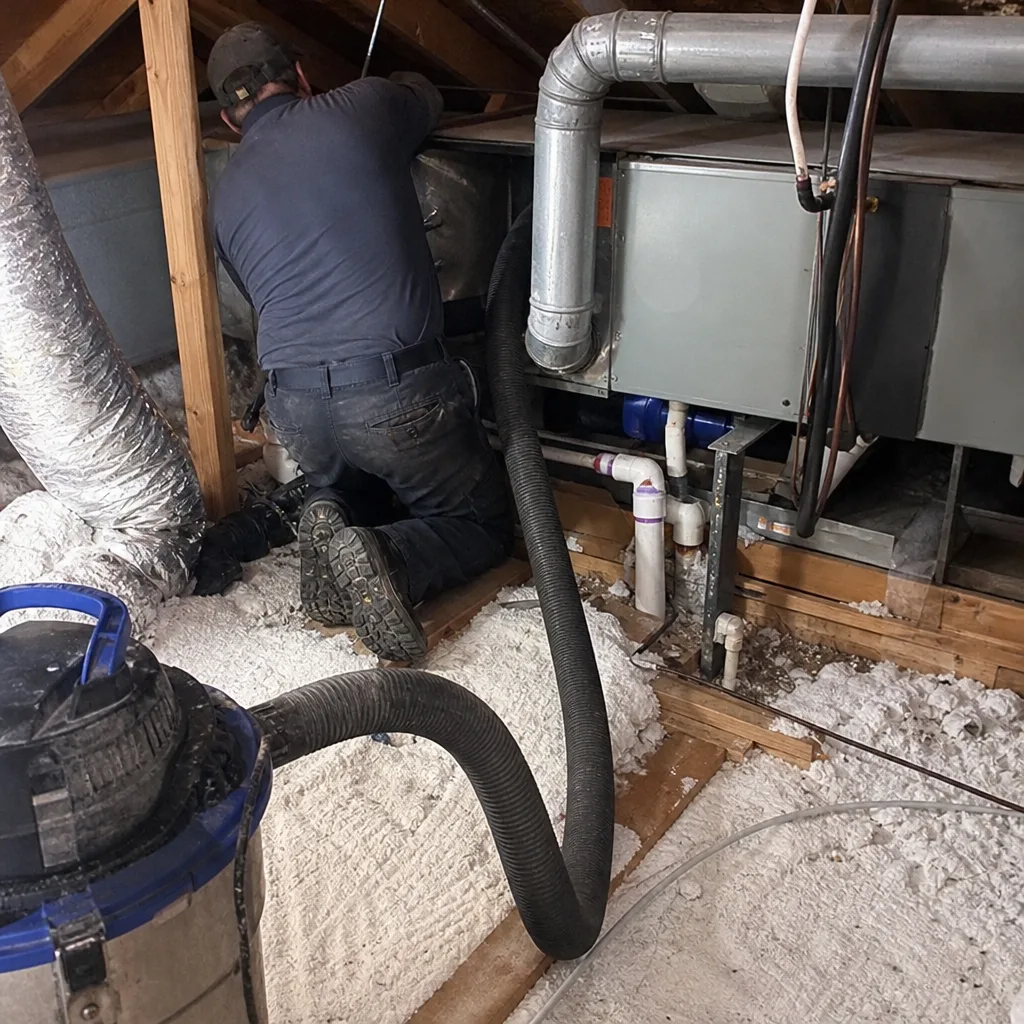 Before
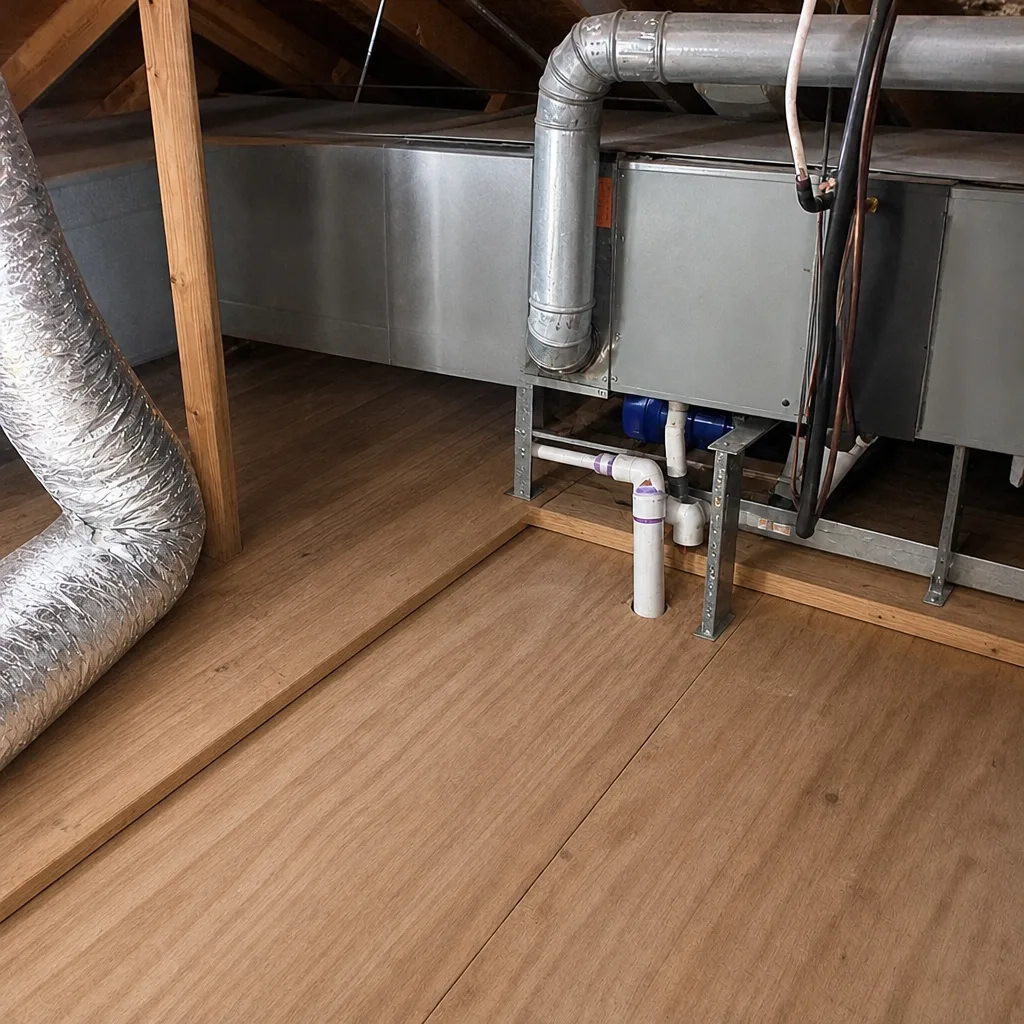 After
Frequently Asked Questions
Air duct cleaning in Murphy Creek is a per-job, per-system scope, priced by a written estimate rather than a per-vent rate. The estimate is free, and the written estimate sets the final price. Call (855) 658-5202 for an exact quote. We answer 24/7. Fast dispatch from 7am to 7pm, Sunday through Friday.
The cheapest quotes are usually priced around a coupon figure that becomes a much larger invoice once the technician is on-site, or they’re based on a consumer-grade vacuum instead of professional extraction equipment. Ask what equipment will be used before you book. If the answer doesn’t include a professional rotary brush and extraction system, the price difference isn’t savings. Call (855) 658-5202 for a free estimate.
You should expect before-and-after photos of your own ducts, not stock images. That’s what closes the trust gap on a service that happens inside the walls where you can’t see it. We provide before-and-after photos of the actual duct system we clean. Call (855) 658-5202 for a free estimate.
It depends on the home. A household with pets, recent renovations, allergy or asthma concerns, or ongoing construction around the property typically needs service more often than a clean, stable household with no symptoms. The warning signs on this page are a better guide than a fixed interval. If in doubt, call (855) 658-5202 for a diagnostic conversation.
Not always, but it should be checked. Musty smells usually point to moisture somewhere in the duct system, and moisture is a precondition for mold growth. That’s why a musty smell is treated with a cleaning and sanitizing approach that goes beyond a mechanical pass. Call (855) 658-5202 for a free estimate.
Often, yes. Newer construction goes through a build phase with open ductwork, drywall dust, framing debris, and adhesive off-gassing that can settle into the system. A persistent chemical smell or fine dust on first-warm registers is a signal worth investigating. Call (855) 658-5202 for a free estimate.
Cleaning removes the accumulated contamination inside the ducts. Repair and sealing address the gaps, disconnected runs, and leaks that let outside air and dust back in. A complete solution usually touches both, and HVAC cleaning often runs alongside the duct work as one appointment rather than two separate services.
It can remove a known contributor to indoor particulate, but it doesn’t guarantee a medical outcome. What we can do is get the particulate out of the duct system so the air you breathe is measurably cleaner. Call (855) 658-5202 for a free estimate.
The Bottom Line
The warning signs that matter most are quiet: uneven airflow, runtime creep, and a new smell. Visible dust and dirty registers are the late-stage confirmation, not the early alert. Murphy Creek homes in newer subdivisions also have a distinct first-few-years symptom cluster around drywall dust, construction debris, and off-gassing that deserves its own check. A proper diagnostic step, followed by cleaning plus duct repair and sealing where it’s needed, closes the loop that surface cleaning leaves open. Air Duct Cleaning Murphy Creek offers Air Duct Cleaning Murphy Creek service as one part of a full five-service scope, alongside dryer vent cleaning, HVAC cleaning, duct repair and sealing, and air quality and sanitizing. For a whole-system diagnosis that includes the root cause, and not just the visible dust, call (855) 658-5202 for a free estimate. We answer 24/7. Fast dispatch from 7am to 7pm, Sunday through Friday.
Written by the team at Air Duct Cleaning Murphy Creek.