
Last updated November 24, 2026
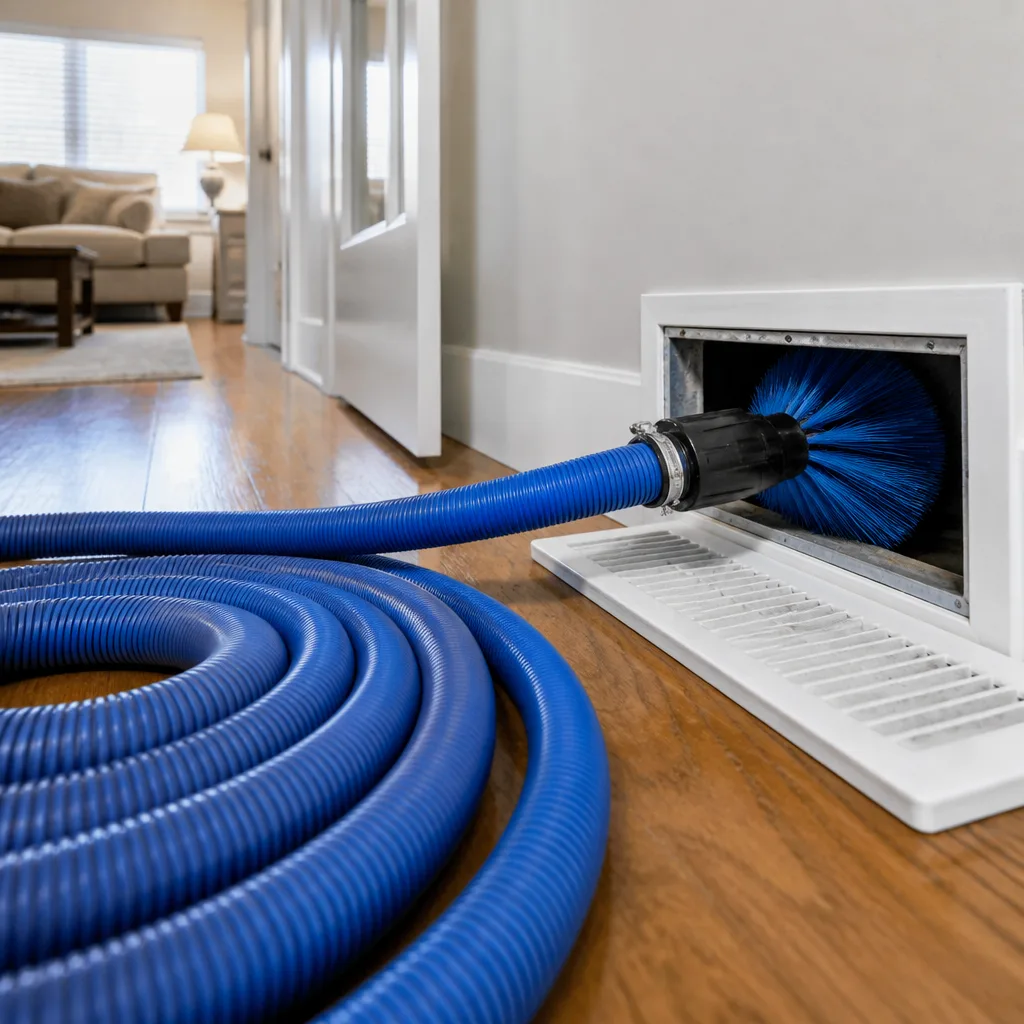 Whole-home duct cleaning
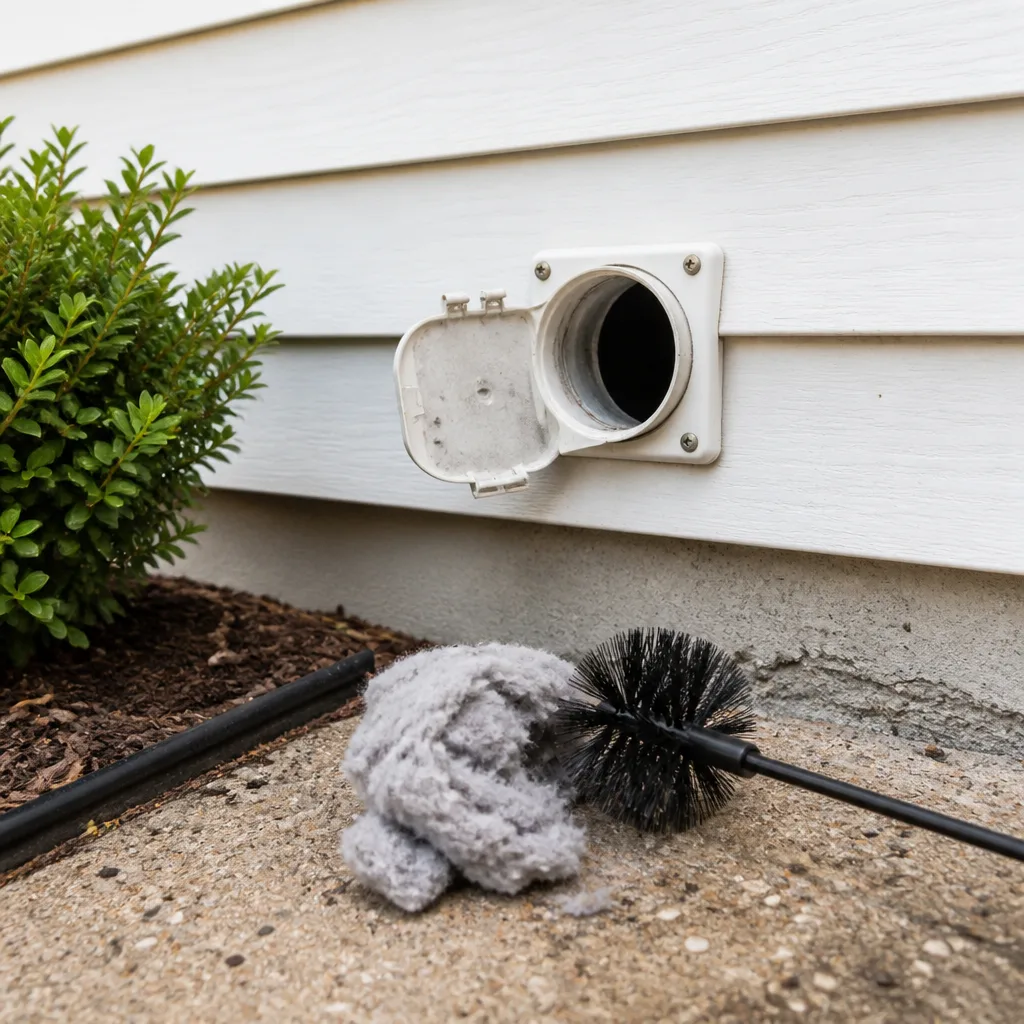 Dryer vent cleaning
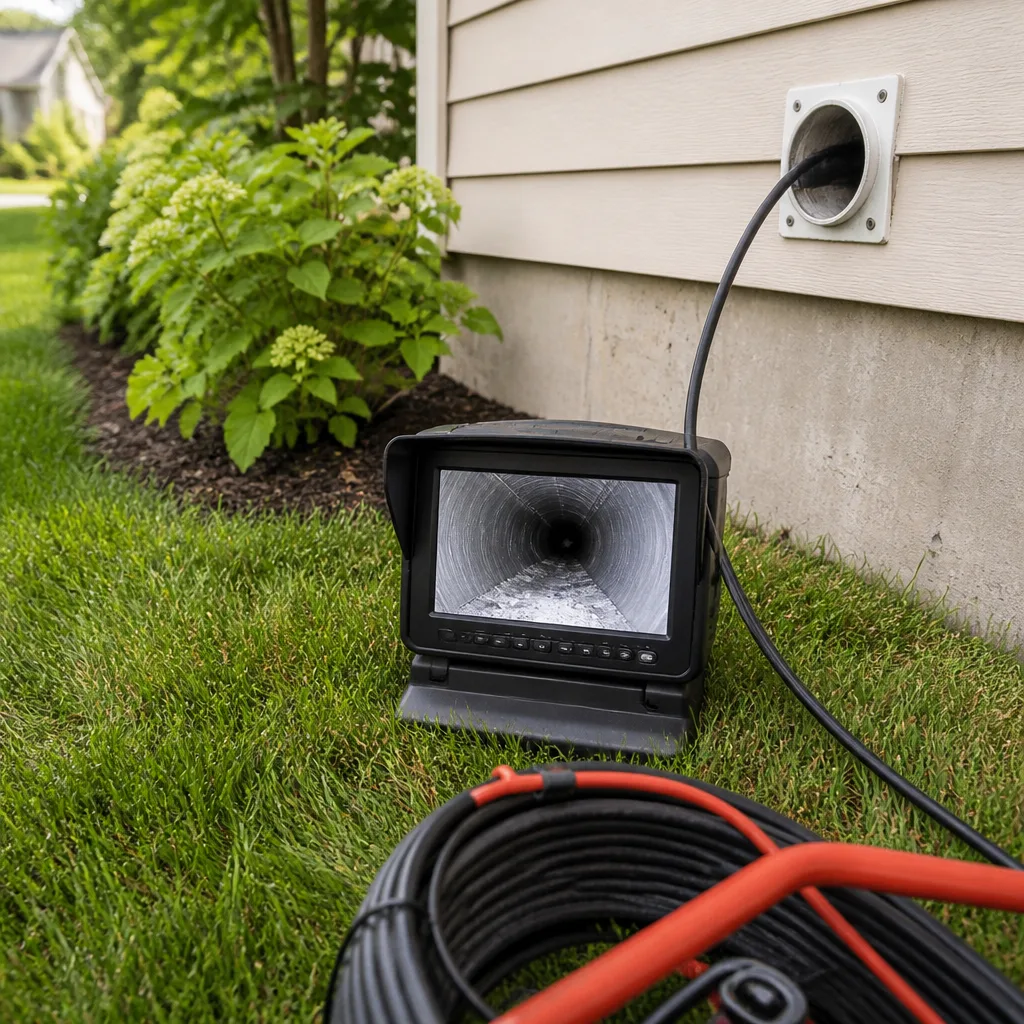 Camera inspection
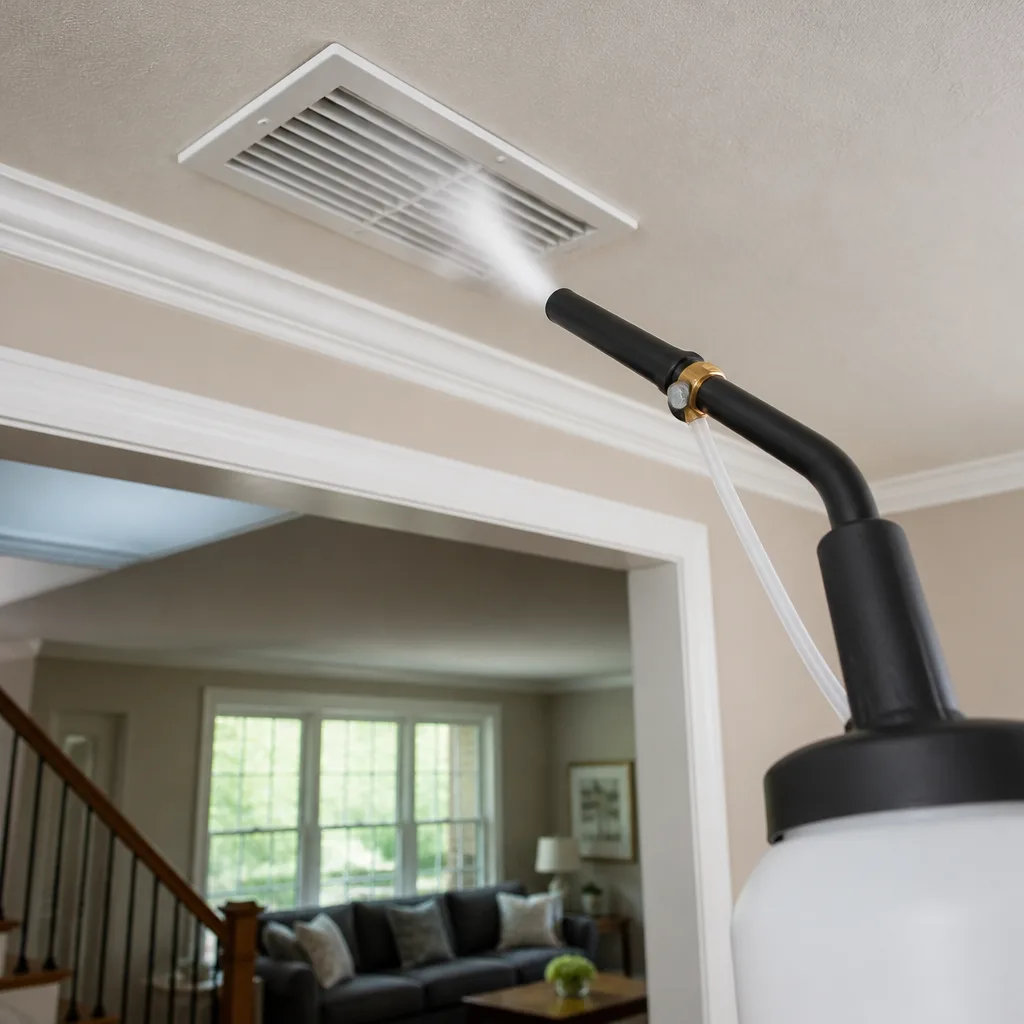 Sanitizing & deodorizing
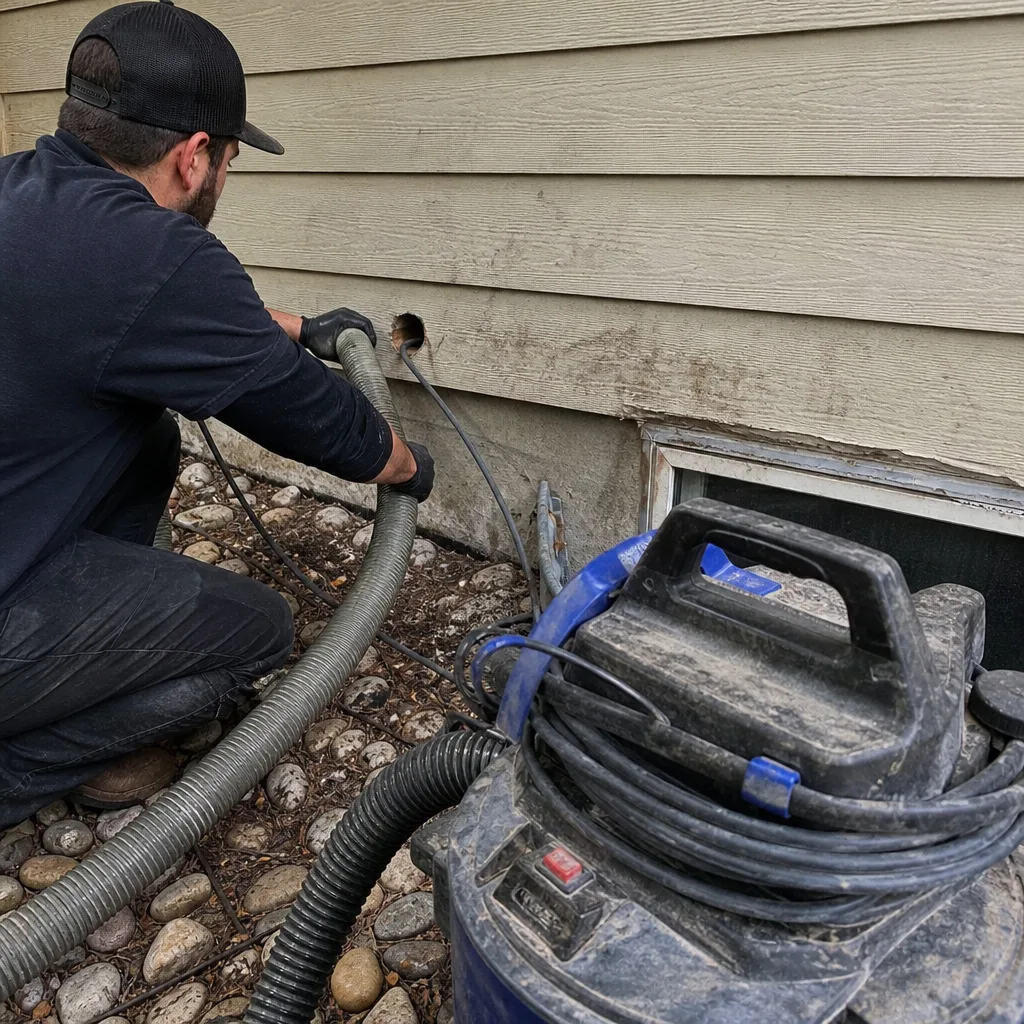
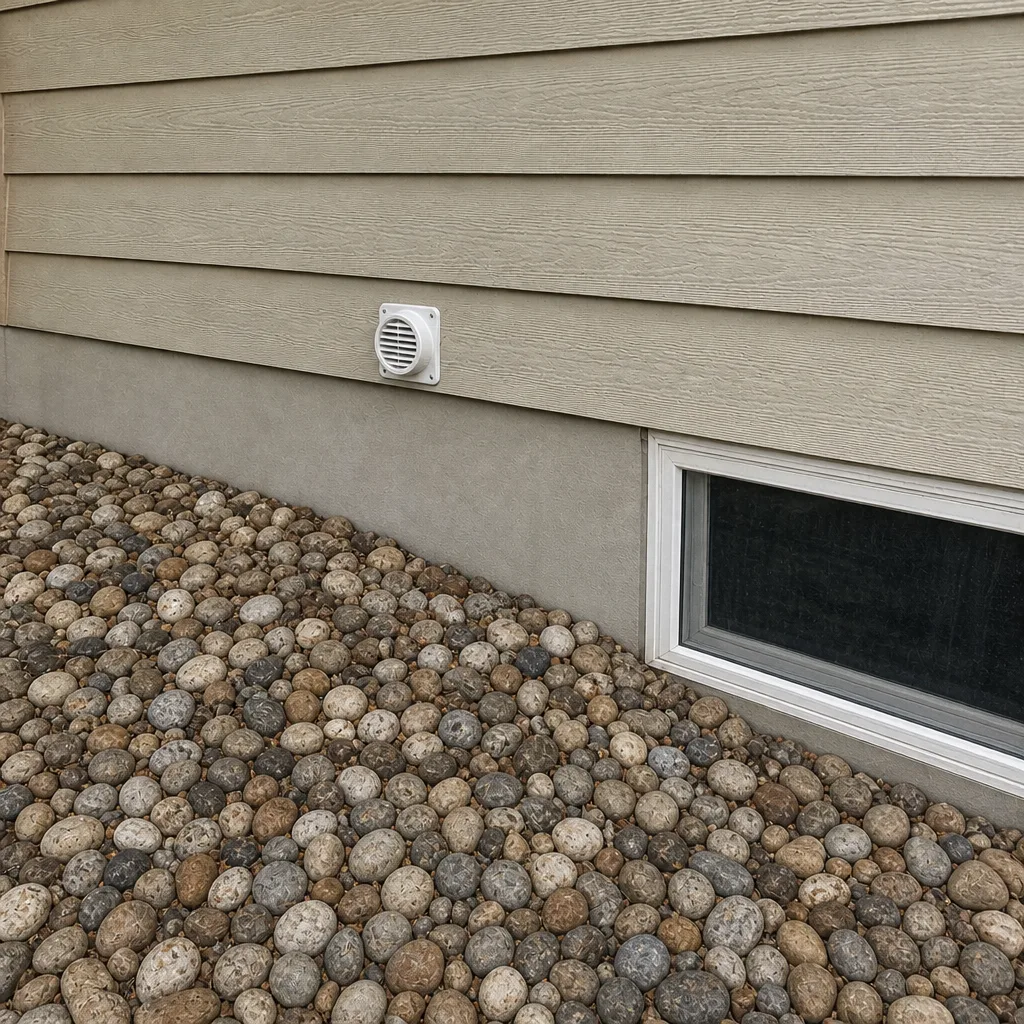
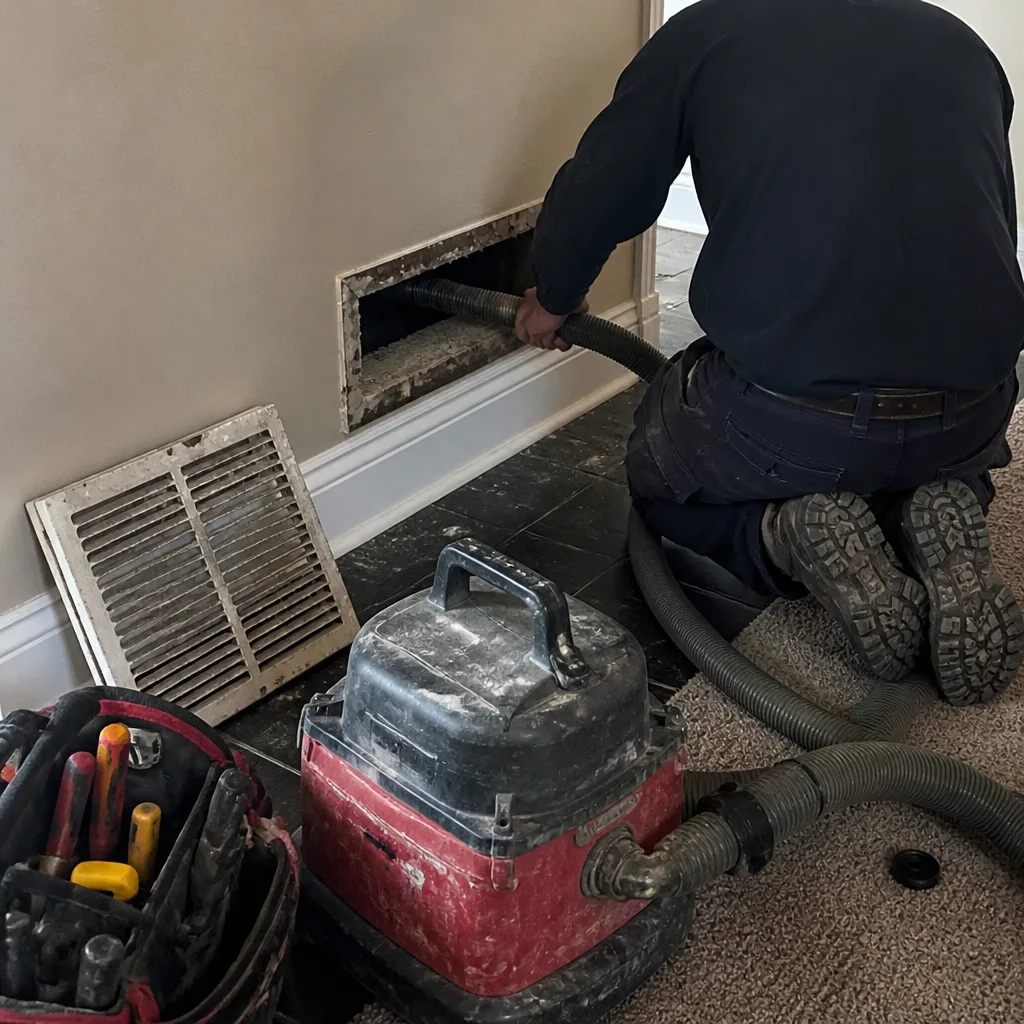
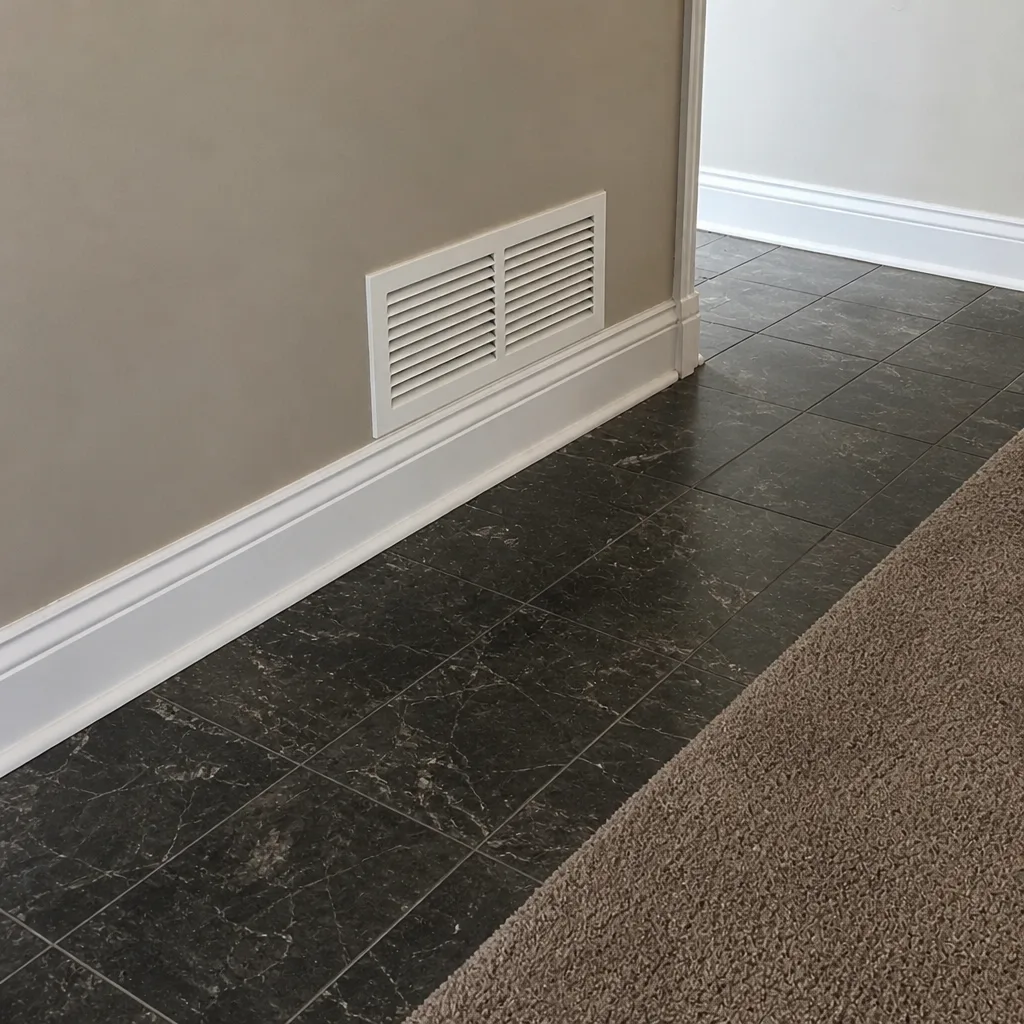
Whole-system duct and dryer vent check with before-and-after photos - you see exactly what came out of your vents
That "$99 whole-house special" is a bait ad - the real number appears once they are in your hallway, or the "clean" is a shop-vac at the register. We photograph the inside of your ducts before and after instead.
Air Duct Cleaning Permits, Codes & Inspections in Murphy Creek, CO: What You Need to Know
Most homeowners assume that air duct cleaning is a permit-free service, and in the narrowest sense they’re right. The cleaning itself – the brushing, the vacuum extraction, the sanitizing – is maintenance, and maintenance doesn’t require a permit in Colorado. But here’s the part that surprises people: the moment a technician cuts into a duct run to install an access panel, replaces a section of flex duct, or reseals a return drop that was never sealed properly, the work can cross out of maintenance and into mechanical modification. That line matters, because Colorado’s mechanical code treats those two categories very differently. In this guide, we’ll walk through where that line falls for Murphy Creek homeowners, which tasks typically trigger a permit, how the Colorado Mechanical Code addresses duct integrity, and what happens during a home sale if repair work was done without one. You’ll finish knowing exactly what to ask before anyone touches your duct system.
Quick Answer
Air duct cleaning on its own generally does not require a permit in Murphy Creek or anywhere in Colorado – it’s classified as routine maintenance. However, duct repair, sealing, system modifications, and access panel installation can require a mechanical permit under the Colorado Mechanical Code, depending on scope and local jurisdiction. If a contractor is cutting into ductwork or altering the system, ask who is pulling the permit and get the answer in writing before work starts.
Styles & brands we work with
- Whole-home duct cleaning
- Dryer vent cleaning
- Camera inspection
- Sanitizing & deodorizing
Table of Contents
- Maintenance vs. Modification: Where Colorado Draws the Line
- Which Duct Tasks Usually Require a Permit
- How the Colorado Mechanical Code Treats Duct System Integrity
- Access Panels: Structural Change or Routine Maintenance?
- Sealing Work During and After Cleaning
- Home Sale Disclosures and Unpermitted Duct Work
- How a Full-Service Contractor Handles Permits Differently
- What an Inspection Actually Covers
Maintenance vs. Modification: Where Colorado Draws the Line
Colorado’s mechanical code – adopted at the state level and then enforced by local jurisdictions – makes a clear distinction between keeping an existing system in working order and changing it. Cleaning falls on the maintenance side. Modification falls on the other. The distinction isn’t semantic; it determines whether a permit is required, whether an inspection happens, and whether the work is documented in a way that protects you later.
In practical terms, here’s how the split usually plays out:
- Routine maintenance (typically no permit): Mechanical cleaning of existing duct runs, vacuum extraction, sanitizing with approved products, filter changes, cleaning of the air handler cabinet exterior, and dryer vent cleaning.
- Modification (permit often required): Cutting new access openings into rigid ductwork, replacing or rerouting duct sections, adding or removing supply or return registers, changing the size or configuration of a return drop, and installing new duct runs.
- Gray area (ask the jurisdiction): Resealing existing joints with mastic or tape, replacing deteriorated flex duct in kind, and installing access panels at locations where none existed before.
What makes Murphy Creek interesting is the housing stock. This is a community built largely in the 2000s, which means most duct systems here are original builder-grade flex and sheet metal. That’s not a criticism – it’s just a fact that shapes the work. Flex duct that’s been in place through many heating and cooling seasons can sag, kink, or separate at the collar, and when a technician finds that during a cleaning, the natural next step is repair. Repair is where permits enter the conversation. If your home is in Murphy Creek and a technician is recommending duct replacement rather than cleaning, that’s your cue to ask about permits.
Our technicians have up to 8 years of experience, and in that time the most common source of confusion we run into is homeowners who assumed the whole visit was maintenance and are surprised when repair work gets flagged. Better to know the difference before the work starts.
Which Duct Tasks Usually Require a Permit
No two jurisdictions in Colorado apply mechanical permits identically, so there’s no universal list. But across most Front Range jurisdictions, including Arapahoe County and the cities within it, the tasks below are the ones most likely to trigger a permit requirement. Always confirm with your local building department before work begins – that’s the only answer that counts for your address.
- New duct runs or extensions. Adding conditioned air to a finished basement, a garage conversion, or an addition means new ductwork. That’s new mechanical work and almost always requires a permit and inspection.
- Duct system redesign or rerouting. Moving a trunk line, reconfiguring a return system, or changing how a system distributes air qualifies as modification of the mechanical system.
- Replacing rigid duct sections with a different material or size. Swapping a section of sheet metal for flex, or changing the diameter of a run, alters system performance in ways the code cares about.
- Adding or relocating registers. New supply or return openings change the design of the system, and that’s mechanical work.
- Installing new access panels where none existed. This is the one that catches people, and it’s worth its own section below.
- Any work tied to an HVAC equipment replacement. If the duct work accompanies a new furnace or air handler, the whole project likely falls under a single mechanical permit.
Notice what’s not on that list: cleaning. Brushing, agitating, and extracting debris from an existing sealed system doesn’t alter the system. That’s why a straight cleaning visit rarely requires a permit. But a company that only cleans has no way to address the problems it finds – and that’s precisely the gap we built our service around. Our air duct cleaning work is designed to stand on its own when cleaning is all that’s needed, and to connect to repair and sealing when it isn’t.
How the Colorado Mechanical Code Treats Duct System Integrity
The Colorado Mechanical Code devotes real attention to duct system integrity, and for good reason. Leaky ducts waste energy, compromise indoor air quality, and can pull contaminated air from unconditioned spaces into your living areas. The code addresses this through requirements on duct sealing, duct material, support and clearance, and the connection between the duct system and the mechanical equipment serving it.
For a homeowner, the practical takeaways are these:
- Sealing isn’t cosmetic. The code expects duct joints and connections to be substantially airtight. Loose joints and detached flex collar connections are both an efficiency problem and, in some contexts, a code compliance problem.
- Duct material matters. Flex duct is permitted in many applications, but the code cares about how it’s supported, how it’s routed, and whether it’s protected where it passes through unconditioned space.
- Access matters for maintenance. A system with no access to its internal surfaces can’t be cleaned properly, and cleaning is part of keeping a mechanical system in good operating condition.
This is where equipment choice enters the picture. Cleaning a duct system without access to the full run is a surface job, and surface jobs don’t satisfy the spirit of the code standards around system integrity. That’s why we run professional-grade Rotobrush and Nikro equipment – the rotary brush and extraction systems commercial HVAC contractors rely on – because they can reach the full length of a residential duct run, not just the first few feet past the register. When a return drop in a Murphy Creek home has been leaking for years, cleaning alone won’t solve it. Sealing will.
One safety note for anyone thinking about tackling duct work themselves: cutting into a duct system carries risks that aren’t obvious. You can damage wiring routed near duct chases, disturb asbestos-containing materials in older assemblies, or create a return-side pressure imbalance that affects combustion appliance venting. Duct work that touches or sits near a furnace, water heater flue, or gas appliance should only be handled by a trained professional. This isn’t a task for a homeowner with a utility knife and a Saturday to spare.
Access Panels: Structural Change or Routine Maintenance?
This is the single most misunderstood part of duct cleaning code in our experience. Access panels – the openings that let a technician reach inside a duct run – are sometimes required, sometimes optional, and sometimes classified as a modification that requires a permit. Which one you’re dealing with depends on where the panel goes and how it’s installed.
A few rules of thumb:
- If a panel already exists and the technician simply removes and reinstalls the cover, that’s maintenance. No permit.
- If a panel is cut into an existing accessible location to reach previously uncleaned ductwork, this is usually treated as maintenance in most jurisdictions – but not all. Ask.
- If a panel requires cutting into a wall, ceiling, or structural assembly, or if it alters the building envelope, that’s now touching structural work and generally requires a permit for that scope.
- If the panel is associated with new duct runs or redesigned ductwork, it’s part of the mechanical project and falls under the same permit.
Documentation matters too. When access panels are installed during a cleaning or repair visit, the homeowner should receive a written description of where the panels were placed, what they provide access to, and whether they were installed as part of permitted or unpermitted work. If you ever sell the home, that piece of paper will matter more than you’d expect. Ask any contractor doing access work in Murphy Creek to put it in writing.
Sealing Work During and After Cleaning
Duct cleaning removes debris. Sealing keeps it from coming back. Those are two different services, and the confusion between them is where a lot of homeowners end up frustrated – they paid for a cleaning, the dust came back in a season, and they assumed the cleaning didn’t work. Usually it worked fine; the ducts just weren’t sealed.
Here’s what duct sealing during or after a cleaning typically involves:
- Mastic sealing of accessible joints at collars, elbows, and takeoffs. This is the mechanical equivalent of caulking, and it’s the highest-impact seal work in most homes.
- Foil tape and approved tape products at seams and connections where mastic isn’t practical. The code expects tape to be rated for duct use and applied correctly – standard cloth duct tape doesn’t qualify.
- Collared connection repair where flex duct has slipped off a takeoff or the collar is damaged. This is common in original builder flex systems and shows up frequently in Murphy Creek homes where ductwork sits in unconditioned attic space.
- Return-side sealing, which is often the biggest single source of air loss in a home. Return ducts run under negative pressure, so leaks pull attic or crawlspace air into the system rather than pushing conditioned air out.
Whether the sealing work itself requires a permit depends on scope. Resealing accessible joints is typically maintenance. Replacing or reconfiguring duct sections to accomplish that seal is typically modification. A contractor who only cleans can’t help you decide which one you’re looking at, and that’s the real issue. Our HVAC cleaning work includes the assessment step – we look at the system integrity before, during, and after cleaning, so sealing decisions are made on the evidence rather than as an add-on.
Home Sale Disclosures and Unpermitted Duct Work
Murphy Creek is a community with a significant resale market, and that changes the stakes on unpermitted duct work considerably. Colorado requires sellers to disclose known material defects and known unpermitted work on the seller’s property disclosure. That’s the seller’s burden, not the buyer’s – and it’s a burden that doesn’t expire with a move.
Here’s what that means in practice:
- Unpermitted duct modification can surface during a buyer’s inspection, particularly if the modification involved new duct runs, added registers, or a code-impacted system redesign. An inspector may not catch a resealed joint, but a new supply run in a converted basement is another matter.
- Retroactive permitting is possible but not guaranteed. A homeowner who discovers unpermitted work can often apply for a permit after the fact, but the jurisdiction may require opening walls or exposing ductwork for inspection. That’s real cost.
- Disclosure failures can turn into negotiation leverage or legal exposure. A buyer’s agent will ask. And if the answer is “we don’t know whether it was permitted,” that usually ends up in the sales price.
- Documentation is the cheapest insurance you’ll ever buy. A one-page record of who did the work, what was done, whether a permit was required or obtained, and any inspection that followed can prevent a much bigger conversation years later.
If you’ve bought a Murphy Creek home in the last few years and you’re not certain about the history of the duct system, it’s worth knowing. An assessment during a routine cleaning visit is a reasonable place to start. The point isn’t to alarm you – most duct work in this community was done correctly. It’s to close the gap between what you assume and what you can document.
How a Full-Service Contractor Handles Permits Differently
This is where the difference between a cleaning-only company and a full-system contractor shows up most clearly, and it’s not a marketing distinction. It’s about what happens when the cleaning reveals a problem.
A cleaning-only company has one option for what to do with a discovered duct leak, detached collar, or unpermitted modification: tell the homeowner and leave the decision to them. That’s not negligence – it’s just outside their scope. But it places the burden on the homeowner to find a second contractor, get a second estimate, and figure out whether a permit is required. In practice, many homeowners don’t, and the issue stays unresolved.
A full-system contractor closes the loop. We offer five services under one scope – air duct cleaning, dryer vent cleaning, HVAC cleaning, duct repair and sealing, and air quality sanitizing – which means the assessment during the cleaning visit connects to the repair work without a handoff. When repair is needed, we can walk you through the permit question directly: what scope requires a permit in your jurisdiction, who pulls it, and what documentation you’ll have at the end.
We also work with the air-quality brands that matter for the whole system. Honeywell filtration and humidity control, Aprilaire components, Abatement Technologies equipment for contaminant control, and Guardsman products – those are the names a technician should recognize when they’re evaluating a system, not just cleaning around it. Knowing how the filtration and humidity side of your system works is part of understanding whether the duct work around it is doing its job.
For dryer vent work, the stakes are different but real. The dryer vent cleaning service is offered as a standalone safety service because lint accumulation is a fire risk, not just an efficiency problem. Dryer vent modification or rerouting, like duct modification, can require a permit depending on scope. The same question applies: who’s doing the work, and is it documented?
What an Inspection Actually Covers
If your duct work was permitted, an inspection will follow. Understanding what an inspector looks at helps you know what to expect and what to ask for afterward.
- Permit scope review. The inspector verifies that the work matches what was described on the permit application. Work outside the stated scope can fail inspection.
- Material and installation verification. Duct material, support, clearances, and connections are checked against code requirements.
- Sealing verification. Duct joints and connections are examined for signs of proper sealing – mastic, approved tape, and correct collar attachment where flex connects to a takeoff.
- Equipment connection. If the duct work is tied to a new furnace, air handler, or other mechanical equipment, the inspector checks the connection and clearances around the equipment.
- Documentation. The inspector signs off, and that signed-off permit becomes part of the property record. This is the piece that protects you at resale.
In our experience, most inspection failures come from installation issues rather than applicant errors – unsealed joints, improper flex support, or duct work that was rerouted without a permit amendment. A contractor who pulls the permit before work begins and coordinates the inspection afterward prevents most of this. A contractor who doesn’t pull permits at all leaves you holding the question.
If you’re unsure whether your recent duct work was inspected, ask your jurisdiction. Most will confirm permit status on a property, and knowing the answer now is much easier than discovering it during a sale.
Common Mistakes to Avoid
- Assuming all duct cleaning is maintenance. The cleaning usually is. The repair that follows often isn’t. Ask the contractor to classify the work before it starts, and ask who’s pulling the permit if one is needed.
- Letting a cleaning company cut into ductwork without documentation. Access panel installation and duct repair should come with a written record of what was done and where. If it doesn’t, you’re missing the paper trail you’ll want later.
- Trusting a permit answer from the contractor rather than the jurisdiction. Mechanical permit requirements vary across Arapahoe County and the cities within it. Confirm with your local building department for the address. It’s a ten-minute phone call.
- Buying a Murphy Creek home without asking about duct work history. Original builder-grade flex duct and attic-routed returns are common here, and not every prior modification was documented. Ask during the inspection period.
- Treating sealing as optional after a cleaning. Cleaning a leaky system and leaving it leaky means the dust comes back within a season or two. Sealing is what makes the cleaning last.
- Overlooking dryer vents in the permit conversation. Dryer vent rerouting or modification can require a permit depending on scope, and it’s a fire-safety-relevant component. It’s worth a specific question.
- Assuming a low-price quote means a complete job. If the quote doesn’t include an assessment of duct integrity, a plan for sealing and repair, and a clear answer on permits, it’s a partial job. That’s fine if that’s what you wanted, but know what you’re paying for.
See the difference
 Before
 After
 Before
 After
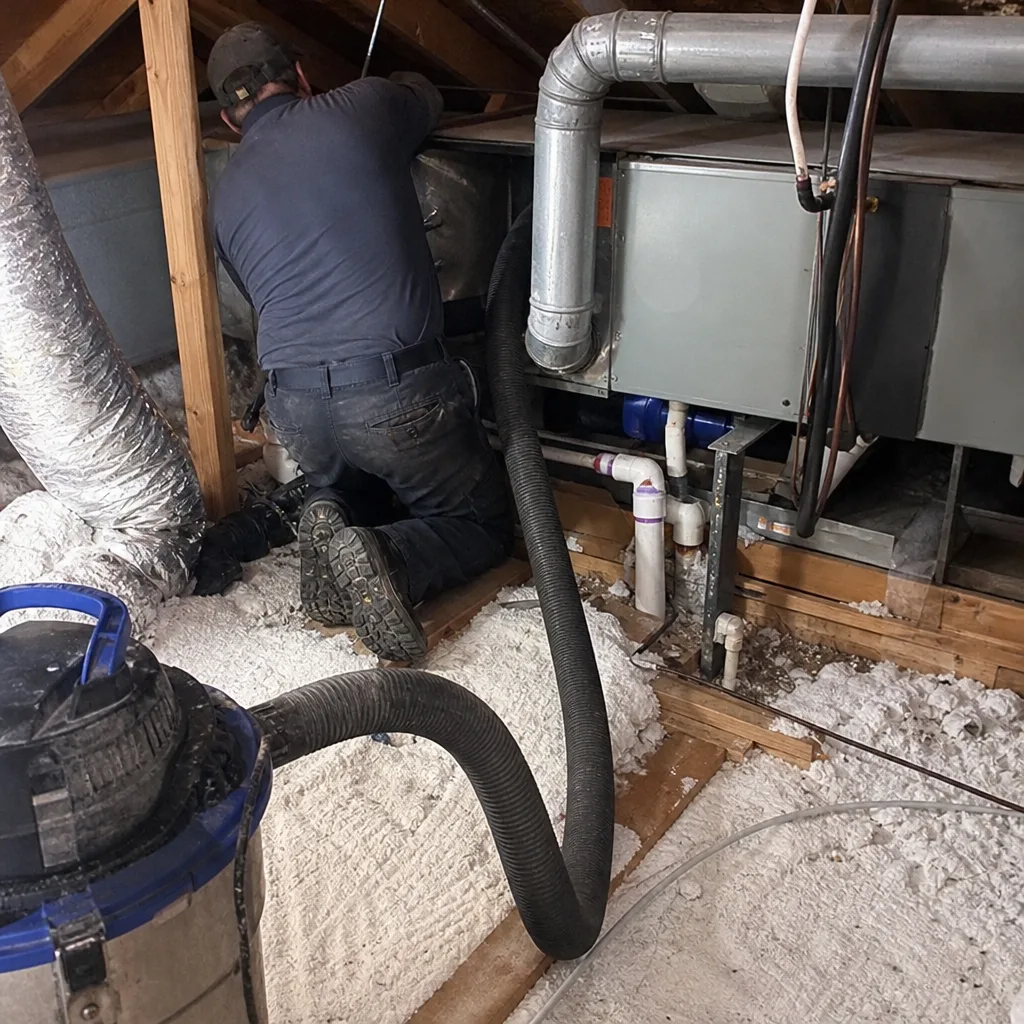 Before
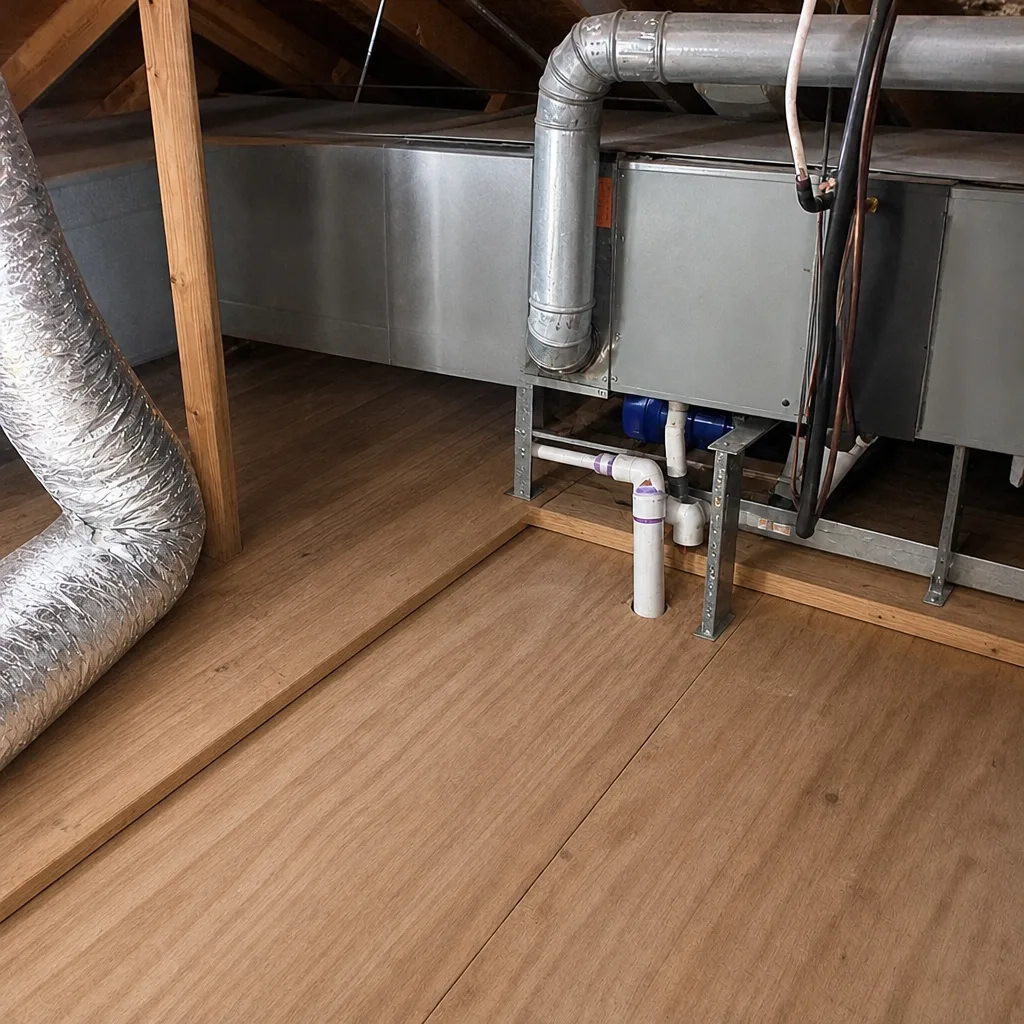 After
When to Call a Professional
Some duct questions are worth a phone call to your local building department. Others are worth a phone call to a contractor. Here’s how to tell the difference. If you’re buying or selling a home in Murphy Creek and want clarity on duct work history, if a cleaning company has recommended repair work and you’re unsure whether it falls under a permit requirement, if you’ve noticed musty odors, uneven airflow, or visible dust around the registers after a recent renovation, or if you’re planning a basement finish or HVAC replacement that will involve duct changes – all of those are reasons to bring in a professional before decisions get made. The same goes for any duct work that touches or sits near a furnace, water heater flue, or gas appliance. That’s not homeowner territory. Air Duct Cleaning Murphy Creek offers free estimates in Murphy Creek – call (855) 658-5202. We answer 24/7. Fast dispatch from 7am to 7pm, Sunday through Friday.
Frequently Asked Questions
Air duct cleaning on its own generally does not require a permit in Murphy Creek or anywhere in Colorado, because it’s classified as routine maintenance. What can require a permit is duct repair, sealing that involves altering duct sections, access panel installation in some cases, and any system modification. Confirm with your local jurisdiction for the specific scope of work. Call (855) 658-5202 for an estimate that distinguishes cleaning from repair upfront.
Whole-system air duct cleaning in the Murphy Creek area typically falls in the range of $300 to $600 for a standard single-family home, with repair and sealing work priced separately based on what the assessment finds. The exact figure is set by a written estimate after we’ve seen the system, not by a per-vent price or a teaser coupon. We give you one flat price per system agreed before work starts, with before-and-after photos of your own ducts so you can see what was done. Call (855) 658-5202 for an exact quote – estimates are free.
Cheap quotes are usually cheap because they’re a different service. A per-vent price that looks like a bargain often covers only surface cleaning of the first few feet past each register, no assessment of duct integrity, no sealing, and no conversation about permits. A complete job with professional-grade equipment – the rotary brush and extraction systems commercial contractors use – costs more to deliver, and the price reflects that. The question isn’t which quote is cheaper; it’s which quote describes the job you actually want. Call (855) 658-5202 for a written estimate that spells out what’s included.
You should get before-and-after photos of your own duct system, not stock images, and you should get a written record of what was done, where access panels were placed if any, and whether a permit was required for any of the scope. If a contractor can’t produce those, that’s the answer to your question. We provide all three as part of every job. Call (855) 658-5202 to schedule an assessment.
Most homes don’t need annual cleaning. A reasonable cycle for a typical Murphy Creek home is every three to five years, sooner if you’ve done a renovation, moved into a previously occupied home, have pets, notice musty odors, or see visible dust around registers. Original builder-grade flex duct that’s collected debris over many heating and cooling seasons is a common situation here, and the honest answer sometimes is that cleaning will help but sealing and repair are the bigger win. Call (855) 658-5202 to talk through what your system actually needs.
Unpermitted duct work can surface during a buyer’s inspection and may require retroactive permitting, which sometimes means opening walls or exposing ductwork for the inspection – real cost and real delay. It also creates a disclosure obligation at sale. The cleanest approach is to document the work when it happens: who did it, what was done, and whether a permit was required or obtained. If you’re unsure about a prior repair, an assessment during a routine cleaning visit is a reasonable starting point. Call (855) 658-5202 for a free estimate.
The Bottom Line
Cleaning your ducts isn’t the part that requires a permit. The repair, sealing, and modification work that often follows is where the code applies, and the line between the two isn’t always obvious until a technician is on site. In Murphy Creek, the combination of original builder-grade flex duct and a strong resale market makes documentation more valuable than most homeowners expect. Ask the contractor to classify the work, ask your local jurisdiction about permitted scope, and ask for written documentation of anything that was changed. That’s the whole guide in three sentences. If a company can’t answer any of those questions clearly, that’s your answer too.
If you’d like a straightforward conversation about your duct system – cleaning, repair, sealing, dryer vent, or sanitizing – we’re glad to help. Call (855) 658-5202. We answer 24/7. Fast dispatch from 7am to 7pm, Sunday through Friday. One flat price per system agreed before work starts, before-and-after photos of your own ducts, and a satisfaction guarantee. Estimates are free.
Written by the team at Air Duct Cleaning Murphy Creek.