
Last updated November 24, 2026
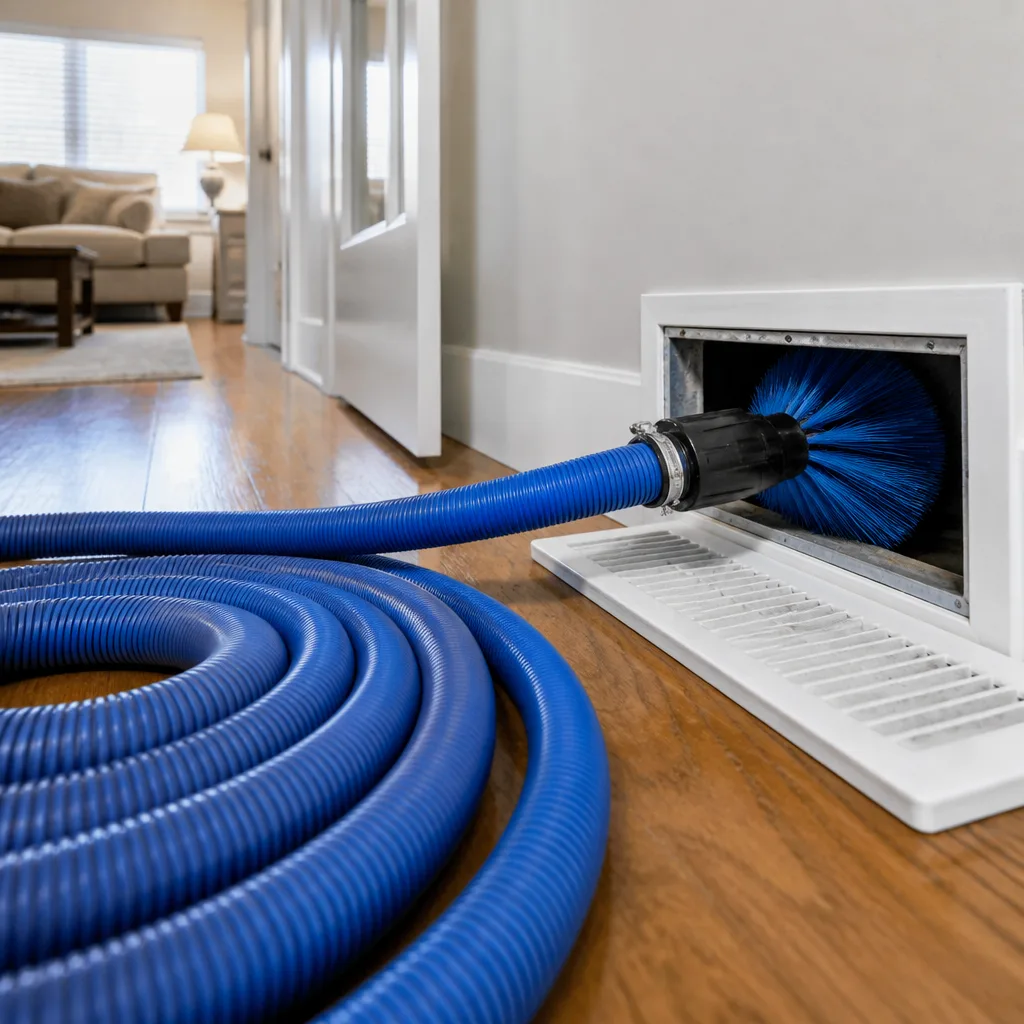 Whole-home duct cleaning
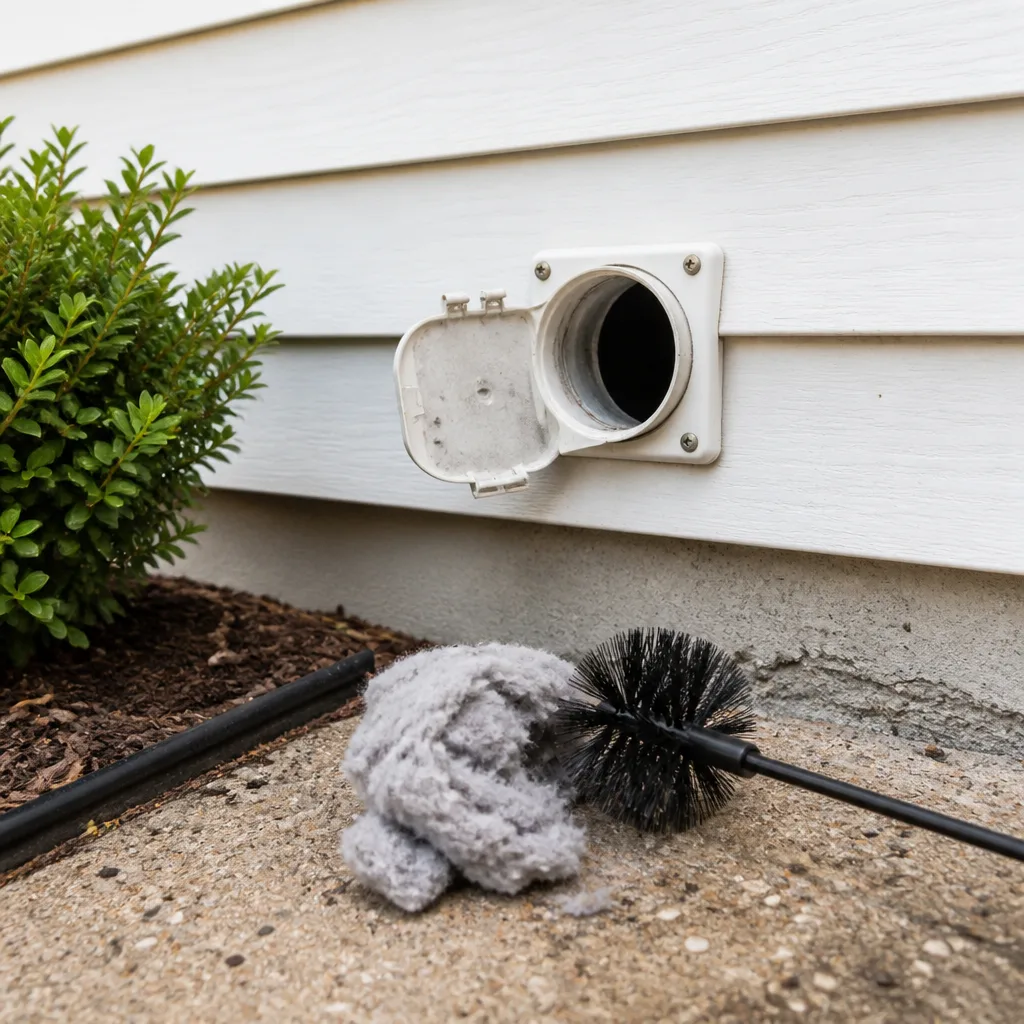 Dryer vent cleaning
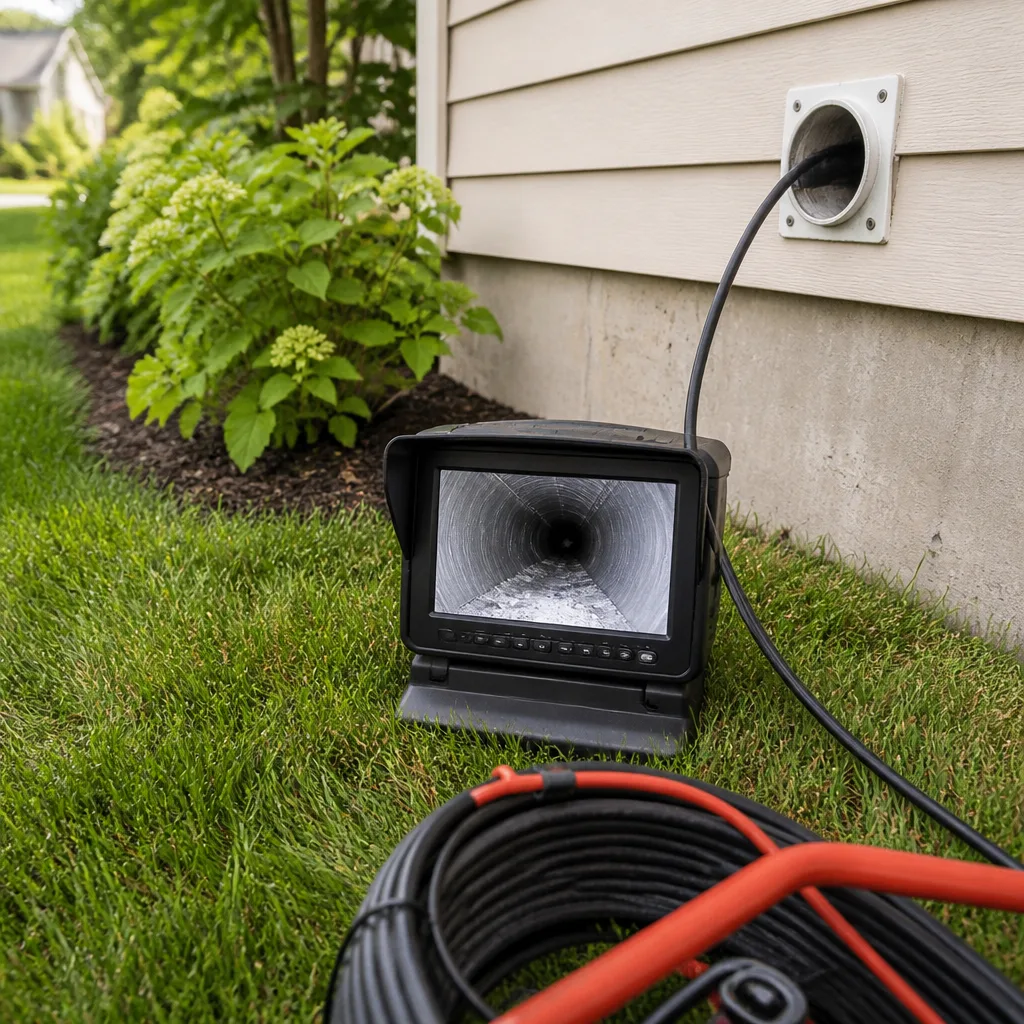 Camera inspection
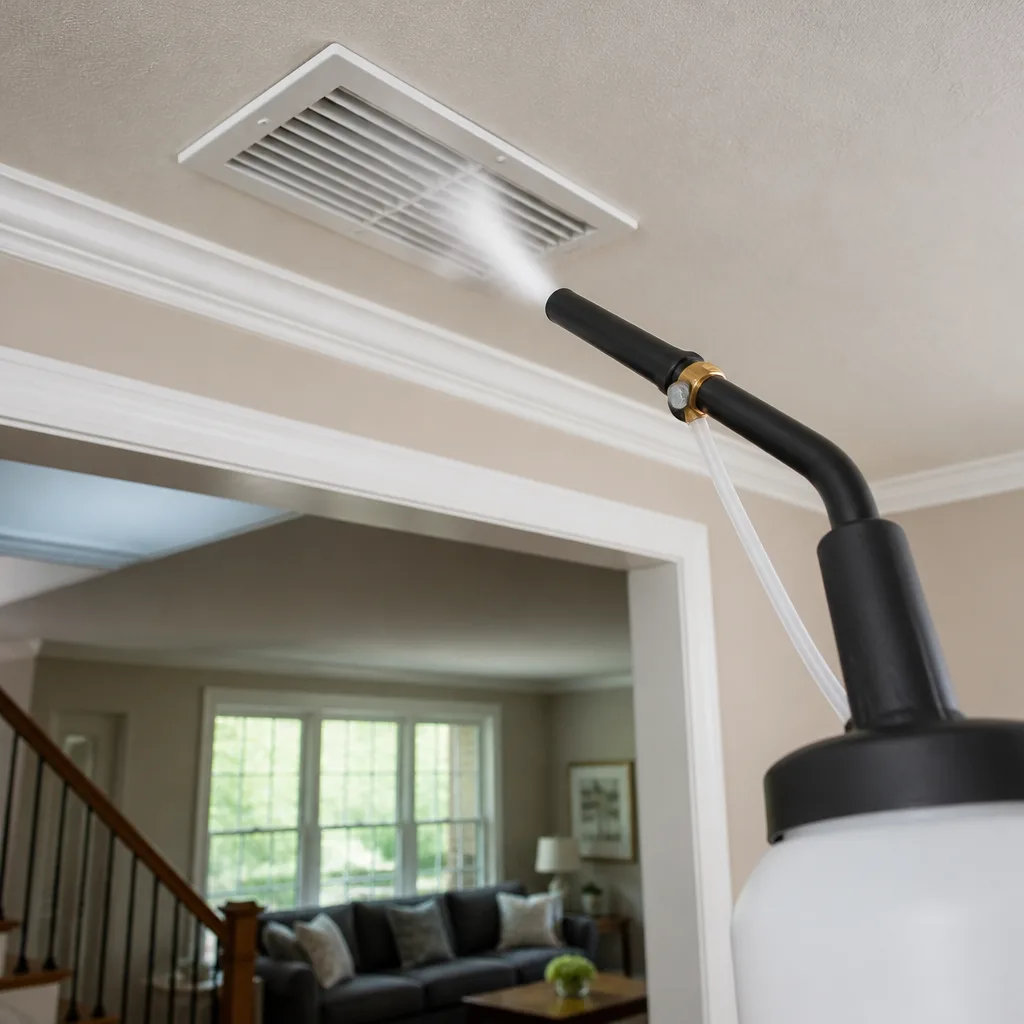 Sanitizing & deodorizing
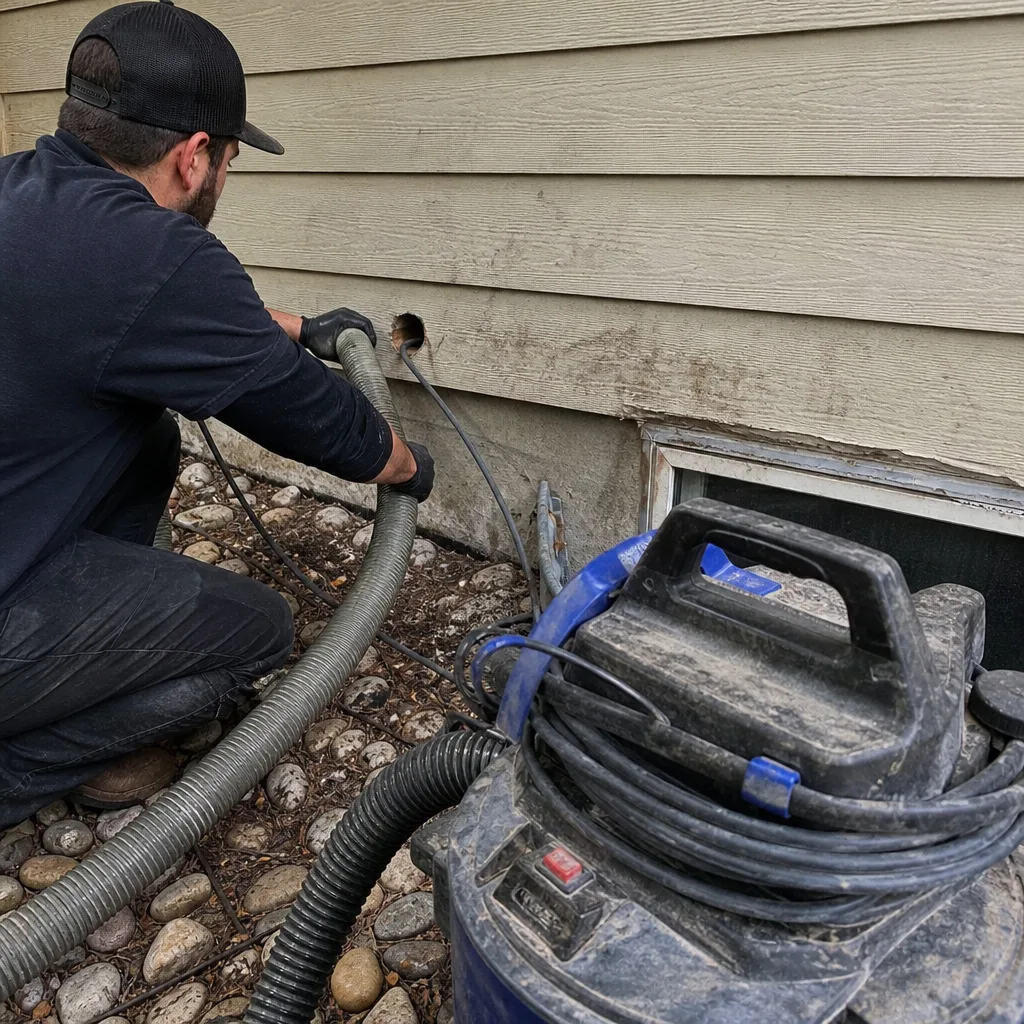
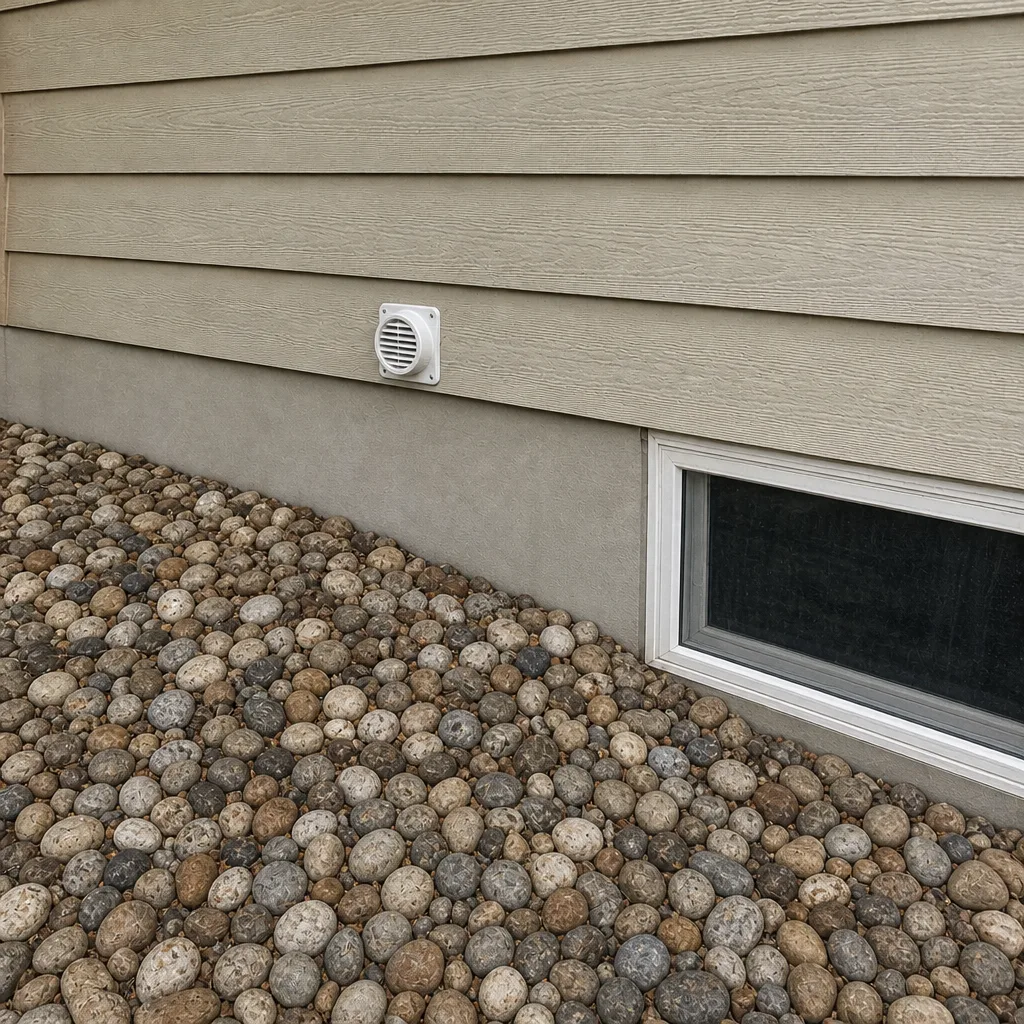
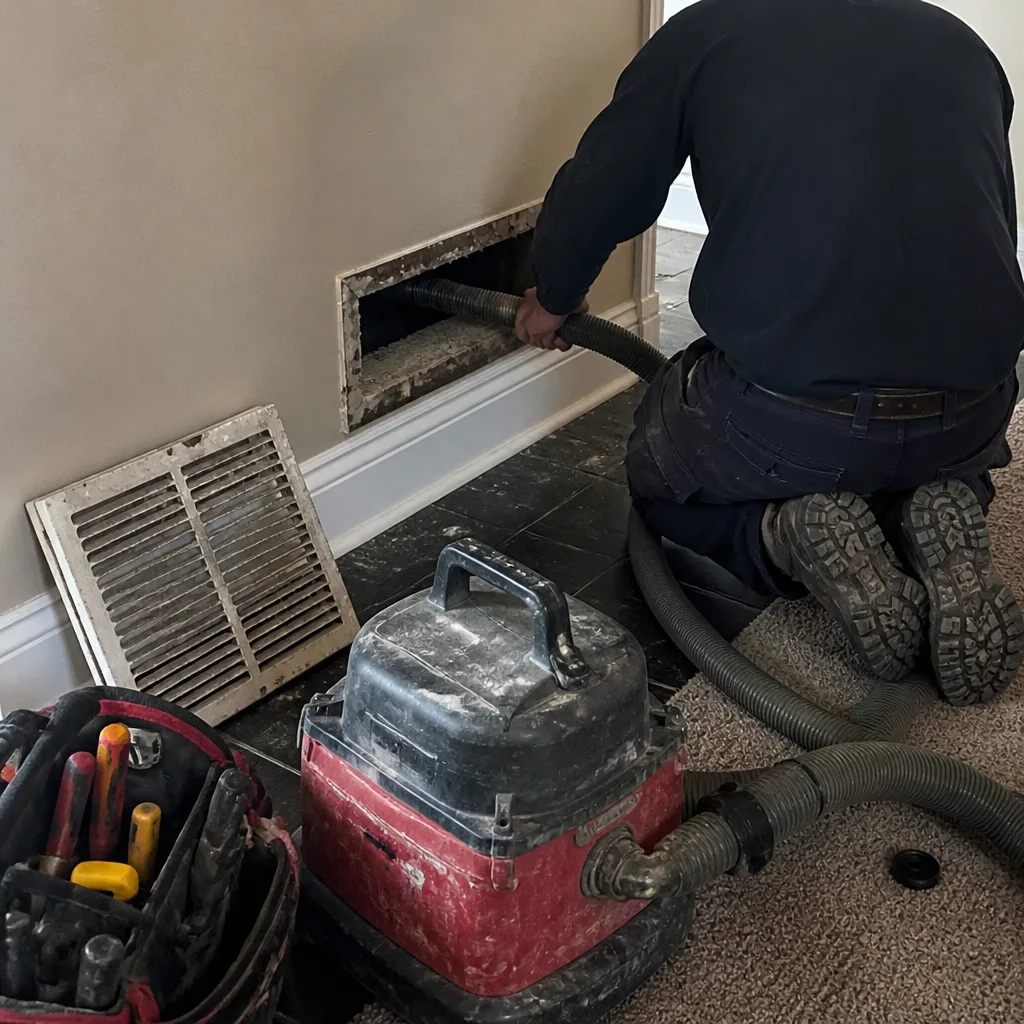
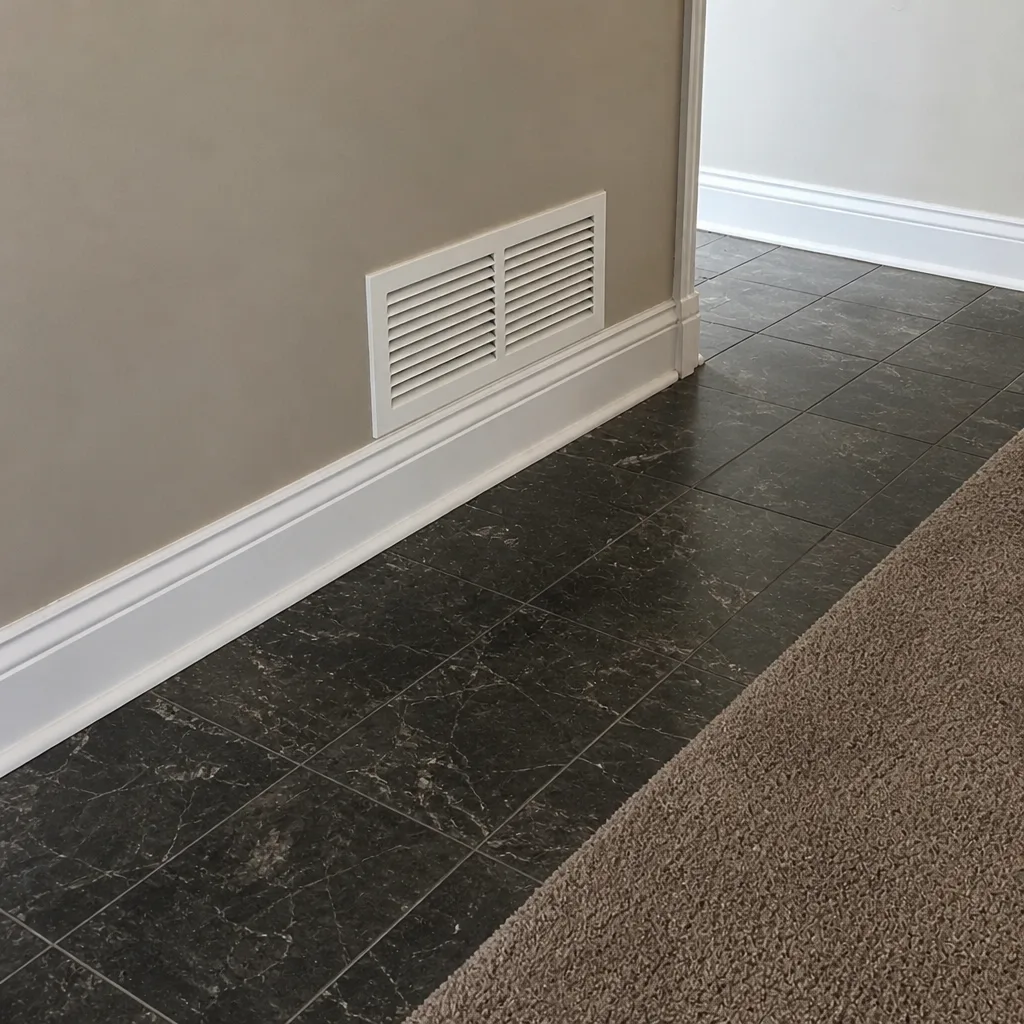
Whole-system duct and dryer vent check with before-and-after photos - you see exactly what came out of your vents
That "$99 whole-house special" is a bait ad - the real number appears once they are in your hallway, or the "clean" is a shop-vac at the register. We photograph the inside of your ducts before and after instead.
Seasonal Air Duct Cleaning Care for Murphy Creek: Year-Round Homeowner’s Guide
Most homeowners schedule duct cleaning when it’s convenient, not when the system actually needs it most. In Murphy Creek that usually means a fall appointment, booked after summer has already pushed three months of dust, pollen and smoke through every register in the house. The cleaning happens at the exact moment the system is about to slow down. This guide lays out a different approach: four seasons, four distinct loading events, and a rolling twelve-month schedule that puts inspection and cleaning ahead of the season that stresses your ducts hardest. You’ll learn what each season does to a Murphy Creek duct system and how to time the work around it.
Styles & brands we work with
- Whole-home duct cleaning
- Dryer vent cleaning
- Camera inspection
- Sanitizing & deodorizing
Quick Answer
Air ducts in Murphy Creek should be inspected in early spring, before AC season, and cleaned on a rolling schedule rather than a single annual appointment. The highest-value cleaning window is late spring, after heating season ends and before cooling begins, with a secondary check in early fall before the furnace runs again. Summer wildfire smoke and Front Range pollen, fall construction dust, and winter static buildup each load the system differently, so the right timing depends on which event your home just came through.
Table of Contents
- Why Murphy Creek Ducts Load Differently Every Season
- Spring: The Post-Heating-Season Debris Audit
- Summer: Wildfire Smoke and Front Range Pollen
- Fall: Construction Dust Before the Furnace Kicks On
- Winter: Continuous Heat, Altitude, and Static Dust
- Building a Rolling 12-Month Duct Care Schedule
- Filters, Filtration and Humidity: The Other Half of the Job
- Common Mistakes to Avoid
- When to Call a Professional
- Frequently Asked Questions
Why Murphy Creek Ducts Load Differently Every Season
A duct system is a container for whatever the air around it carries. In a climate with one dominant season, that container fills at a fairly steady rate. Murphy Creek doesn’t work that way. The heating season runs long, the cooling season runs hard, and the weeks in between bring their own loads: smoke drifting down the Front Range, pollen counts that climb fast in late spring, and construction dust from the residential development still filling in around the neighborhood. Each of those events deposits something different, and each one lands in the ducts at a different point on the calendar.
That’s the case for seasonal thinking. A duct system cleaned in October is dirty again by July, because it just absorbed a summer of smoke and pollen. A system cleaned in May enters cooling season with clean runs and a clear blower, which is when airflow matters most.
We’ve seen the pattern hold across all four corners of the neighborhood, from homes near the golf course to the newer builds along the eastern streets. Three things drive it:
- Heating season length. Furnaces in Murphy Creek run from roughly October into April, so dust that settles in the fall gets baked onto heat exchangers and blower wheels for months.
- Summer intrusion events. Wildfire smoke and high pollen don’t respect closed windows. They load return-air paths and filter housings in weeks, not months.
- Ongoing development. Grading, concrete work and new-home construction around Murphy Creek put fine silica dust into the air, and fine dust travels furthest into duct runs.
The practical takeaway: treat duct care as a calendar problem, not a cleaning problem. Once the timing is right, the cleaning itself is straightforward. Call (855) 658-5202 if you want a free estimate on where your system stands right now. We answer 24/7. Fast dispatch from 7am to 7pm, Sunday through Friday.
Spring: The Post-Heating-Season Debris Audit
Spring is the single most valuable inspection window on the Murphy Creek calendar. The furnace has just run for months, which means every square inch of the heat exchanger, blower wheel and supply plenum has been coated in whatever the return air carried through the winter. Now the system is about to switch modes and push cool air through those same runs for the next four months.
That transition is when a debris audit pays for itself. Here’s what an audit looks at, and why each item matters before AC season:
- Blower wheel. Dust on blower fins throws the wheel out of balance, which cuts airflow and makes the motor work harder. A coated wheel is a common cause of weak cooling in spring.
- Heat exchanger surfaces. Soot and dust on the exchanger reduce heat transfer and can mask cracks that a technician should catch. This is a safety item, not just an efficiency one.
- Return-air path and filter housing. Winter dust collects here first. If the return plenum is loaded, the new cooling season starts starved for air.
- Supply registers and boots. Check for visible dust shadows around the edges, which signal air leaking past the boot rather than a dirty duct interior.
The audit itself follows a set order:
- Open the air handler and inspect the blower wheel and heat exchanger for dust load.
- Pull the filter and check the housing for bypass and settled debris.
- Camera-inspect a sample of main trunk runs and branch lines.
- Test a handful of registers for airflow and visible dust discharge.
- Recommend cleaning, sealing or repair based on what the inspection actually shows.
If the audit comes back clean, you skip the cleaning and go into summer ready. If it doesn’t, you have time to schedule before the first hot stretch. That’s the difference between a proactive air duct cleaning and a reactive one.
Summer: Wildfire Smoke and Front Range Pollen
Summer in Murphy Creek loads ducts differently than any other season. Wildfire smoke from the Front Range and beyond doesn’t just sit in the outdoor air; it finds its way into return-air paths, filter housings and duct runs every time the system runs and every time a door opens. Smoke particles are small enough to ride through a standard filter, and they leave an oily residue that collects fine dust on top of it. Pollen behaves similarly, though it’s more seasonal and more easily caught by a good filter.
This is a different kind of loading than household dust. Household dust is heavier and settles in the lower portions of duct runs. Smoke and pollen are airborne and coat the surfaces air passes over, which means they land on blower wheels, evaporator coils and the insides of every trunk line. That’s why a system can look clean on the register side and still be coated on the interior.
What to watch for in a Murphy Creek summer:
- A persistent musty or smoky smell that lingers after windows have been closed for a day.
- Visible dust plumes from a register when the system first kicks on.
- Rising dust on horizontal surfaces even when the house is closed up.
- Allergy symptoms that spike during smoke events and don’t settle.
Filtration is the first line of defense. A properly sized filter matched to your system’s airflow does more during smoke season than anything else you can do. We work with Honeywell and Aprilaire filtration and humidity products because those two brands cover the mainstream residential systems most Murphy Creek homes already run. And where smoke has left biological residue or allergens behind, sanitizing with Abatement Technologies-grade contaminant control goes beyond mechanical cleaning. That’s part of our HVAC cleaning scope, because the coil and blower matter as much as the duct runs.
Fall: Construction Dust Before the Furnace Kicks On
Murphy Creek is still filling in. Residential development around the neighborhood means grading, concrete, framing and landscaping work that put fine silica dust into the air through the warmer months. Silica is abrasive, it’s fine, and it travels farther into a duct system than ordinary household dust. Fall is when that accumulated load becomes a problem, because the furnace is about to start pulling air through it continuously.
The fall window matters for a simple reason: once heating season starts, everything in the ducts gets picked up and circulated. The first cold snap of the year is often the moment a homeowner notices a burning-dust smell. That smell is exactly what it sounds like, dust burning off the heat exchanger, and it’s a sign the system went into winter carrying a load it shouldn’t have.
A fall service call in Murphy Creek should cover:
- Mechanical cleaning of trunk lines and branch runs, with emphasis on the runs nearest recent construction activity.
- Sealing any gaps in the duct system itself, because silica dust and air loss travel through the same leaks.
- Filter housing check for bypass around the filter frame, which lets dust slip past a filter that’s technically fine.
- Blower and coil inspection for the debris that accumulated over the summer.
Fall is also the right moment to close the loop on the whole system. Cleaning without sealing leaves the leaks that caused the air loss in the first place, and recontamination happens through those leaks quickly. That’s why duct repair and sealing sit alongside Air Duct Cleaning Murphy Creek in the service lineup rather than being an afterthought.
Winter: Continuous Heat, Altitude, and Static Dust
Winter in Murphy Creek is a continuous-heat season, not an intermittent one. The furnace runs through the day and night, which means two things: any dust already in the system is being circulated on a nearly constant basis, and the dry air of a high-altitude heating season makes that dust more mobile. Static charge builds on dust particles in dry conditions, so fine dust clings to blower wheels, coils and duct walls rather than settling where it can be easily removed.
The result is a slow buildup that’s easy to miss because it happens gradually. Homes that felt fine in November often show the effects by February:
- Static shocks when touching metal fixtures or light switches.
- Dust returning to furniture surfaces within days of wiping.
- Dry air that no amount of humidifier use seems to fix.
- A furnace that runs longer to reach the same temperature.
Mid-winter inspection is warranted when you’re seeing two or three of those signs together, when there’s been a recent renovation inside the home, or when the furnace has been running noticeably more than usual. It’s not necessary to clean in winter unless the inspection shows a real load. But it’s worth a look, because a duct system that goes into winter dusty will coat the heat exchanger by spring.
Altitude adds a wrinkle. Homes in the Murphy Creek area sit well above sea level, and that affects how heating systems are sized and how air moves through duct runs. The system is designed for it, but that design assumes the duct runs aren’t loaded with dust. Clean runs mean the system runs at the efficiency it was designed for.
Building a Rolling 12-Month Duct Care Schedule
A rolling schedule beats a single annual cleaning because the loading events don’t happen at the same time or land in the same place. Here’s a schedule that fits a typical Murphy Creek home, rotating the heavier work so it aligns with the season that follows it.
- Late March or early April: Inspection. Post-heating-season audit of blower, heat exchanger, filter housing and a sample of duct runs. Decide whether a cleaning is needed before cooling season.
- May: Clean and filter upgrade. If the spring audit found a load, clean before the AC runs continuously. Upgrade the filter to a properly sized model that handles smoke and pollen.
- July: Mid-summer check. Quick look at filter and register dust. If wildfire smoke has been significant, a sanitizing step here goes further than waiting.
- September: Construction and pre-heating cleaning. Clean out summer load and fine dust before the furnace starts running. Inspect and seal any duct leaks found along the way.
- November: Register and filter check. Confirm the filter is loaded properly, check the return-air housing for bypass, verify there aren’t obvious visible dust issues around boots.
- January or February: Mid-winter inspection if needed. Only if signs warrant it. Otherwise skip and take the next scheduled audit in spring.
- Dryer vent: every 12 months, standalone. It’s a safety service, not an air-quality one, and it deserves its own line on the calendar.
For most homes in Murphy Creek, that means one full cleaning per year, one inspection per year, and a filter change on the manufacturer’s schedule. Homes with pets, allergy sufferers, recent renovations, or anyone who’s just purchased a home should move to two cleanings a year, or add a mid-winter check.
The point is to stagger the work: inspection first, cleaning when the load is heaviest, filter upgrades in between. If you want help laying out a schedule for your specific home, call (855) 658-5202 for a free estimate. We answer 24/7. Fast dispatch from 7am to 7pm, Sunday through Friday.
Filters, Filtration and Humidity: The Other Half of the Job
Clean ducts and a bad filter is a losing combination. The two work together, and in Murphy Creek’s climate the filter does more work than most homeowners give it credit for. That’s why we stock and work with Honeywell and Aprilaire products: filtration and humidity control are part of the whole system, not a separate purchase.
Three things to understand about the filter side:
- MERV rating has to match the blower. A filter with a higher rating than the system can push through starves the blower and drops efficiency. More filtration isn’t automatically better.
- Bypass matters as much as rating. A filter that’s the right rating but sits in a poorly fitting frame lets air around the edges instead of through the media. Bypass is a common reason homeowners assume a filter isn’t helping when it actually is, just not the way they think.
- Humidity control is a filtration issue in Murphy Creek. High-altitude dry air during heating season and monsoon-season humidity during summer both stress the system in different ways. Aprilaire humidity control handles the summer side; proper filtration and moisture management handle the winter side.
Filter changes follow the manufacturer’s schedule, but two rules override that in a climate with smoke events and construction nearby: change the filter after any prolonged smoke event, and change it after any significant nearby construction work if the return-air housing shows dust. Those are additions to the standard schedule, not replacements for it.
The other half of the filtration story is dryer vent cleaning. It doesn’t clean your air, but a loaded dryer vent is a fire risk that has nothing to do with clogged filters. It’s a standalone safety service and it should be on the same twelve-month calendar as the rest of your duct care.
Common Mistakes to Avoid
- Cleaning only when the house feels dusty. Perceived dust is the last symptom to appear, not the first. By the time dust is obvious on furniture, the ducts and blower have carried a load for months.
- Scheduling cleaning in late fall. Fall cleaning feels logical because heating season is starting, but it means the system went through summer smoke and pollen first. Spring cleaning puts the work in front of the heaviest-loading season, not after it.
- Assuming a filter change is a duct cleaning. A new filter catches what’s in the air passing through it. It doesn’t touch what’s already coating the duct walls or the blower wheel.
- Choosing a quote by price alone in Murphy Creek. Consumer-grade equipment and a shop vac don’t move the same volume of dust as contractor-grade extraction. When a quote is well below others, ask what equipment will be on site and whether they clean the blower and coil as part of the job.
- Cleaning without sealing. Ducts lose air through the same leaks that dust travels in through. Cleaning without addressing leaks means recontamination happens quickly, sometimes within weeks.
- Skipping the dryer vent because it’s not part of the duct run. The dryer vent is a separate fire-safety item and gets missed when it’s lumped into duct cleaning. It deserves its own appointment.
- Treating the home as one load pattern even after a renovation. If you’ve remodeled, added an addition, or bought a home that was recently renovated, fine construction dust sits in the duct runs whether or not you see it. Add a cleaning after the work finishes.
When to Call a Professional
Some duct work is a homeowner check, and some genuinely isn’t. The line sits at the point where the air handler, blower, heat exchanger or duct sealing enters the picture. If dust is visible on the register side only, a filter change and a register wipe may be all you need. If you can see load inside a return plenum, hear the blower working harder than usual, smell something musty that doesn’t go away, or you’re seeing dust settle on furniture days after cleaning, that’s an inspection call.
Other signals specific to Murphy Creek: the post-winter period when the furnace has been running continuously for months, the weeks after a significant wildfire smoke event, and the weeks after nearby construction has finished. Those are the moments when professional inspection pays for itself.
Air Duct Cleaning Murphy Creek offers free estimates in Murphy Creek. Our technicians have up to 8 years of experience with Rotobrush and Nikro contractor-grade equipment. Call (855) 658-5202. We answer 24/7. Fast dispatch from 7am to 7pm, Sunday through Friday.
Frequently Asked Questions
Most Murphy Creek homes do best with one cleaning per year and one inspection per year, staggered so the cleaning lands in late spring or early fall. Homes with pets, allergy sufferers, recent renovations or new-home purchases should move to two cleanings a year. The rolling schedule described above is a good starting point, and it’s easily adjusted to your home’s specific load pattern.
Late spring, right after heating season ends and before cooling season starts, is the highest-value cleaning window. The system is coming off continuous furnace operation and heading into the AC season that will ask the most of it, so clean runs and a clear blower matter. Early fall is the second-best window, particularly if summer saw significant smoke or nearby construction.
Winter in Murphy Creek combines continuous furnace operation with dry high-altitude air, which makes fine dust more mobile and more likely to cling to blower wheels and duct surfaces. The dust is being circulated through the house on a constant basis rather than the intermittent basis of other seasons. A winter inspection is worthwhile if dust settles on furniture within days of cleaning.
Yes. Smoke particles are small enough to pass a standard filter, and they leave an oily residue on duct interiors, blower wheels and evaporator coils. Pollen behaves similarly. A properly sized filter upgrade paired with Honeywell or Aprilaire filtration handles part of the load, but the fine coating left behind is best removed by mechanical cleaning with contractor-grade extraction.
Cleaning doesn’t change the system itself, but it does reduce the load on the blower and allow the system to run at its designed airflow. The practical effect in Murphy Creek winters is a furnace that reaches the set temperature in less time, because a coated blower wheel and loaded duct runs restrict the air movement the system relies on. Worth a call if the furnace is running noticeably longer than it used to.
Yes. Fine construction dust, particularly silica from grading and concrete work, travels deep into duct runs and settles there for months. A renovation in or near the home is one of the strongest reasons to schedule a cleaning shortly after the work finishes, before the furnace or AC pulls that dust back into circulation.
The Bottom Line
Murphy Creek duct care works best as a calendar problem. Four seasons, four loading events, and a schedule that puts inspection ahead of the season that stresses your system hardest. Late spring cleaning after heating season and before cooling season is the highest-value window. Fall cleaning matters most when the summer carried smoke or nearby construction. Winter inspection is a genuine call when the furnace runs continuously and dust settles on furniture days after cleaning.
One contractor for the whole system, from cleaning to sealing to sanitizing, means the parts of the job that affect each other actually get handled together. Air you can actually breathe, and a schedule that puts the work where it counts. Call (855) 658-5202 for a free estimate. We answer 24/7. Fast dispatch from 7am to 7pm, Sunday through Friday. Estimates are free, and the written estimate sets the final price.
Written by the team at Air Duct Cleaning Murphy Creek.
See the difference
 Before
 After
 Before
 After
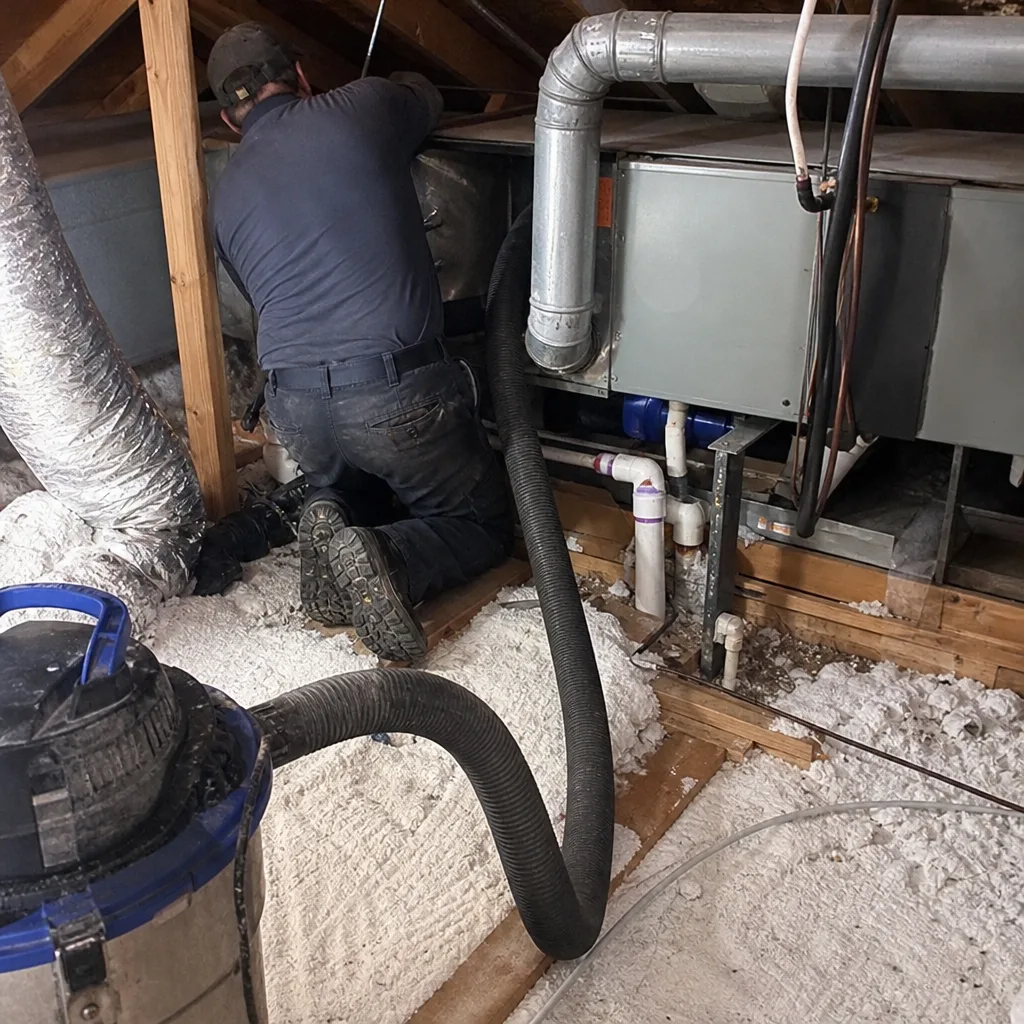 Before
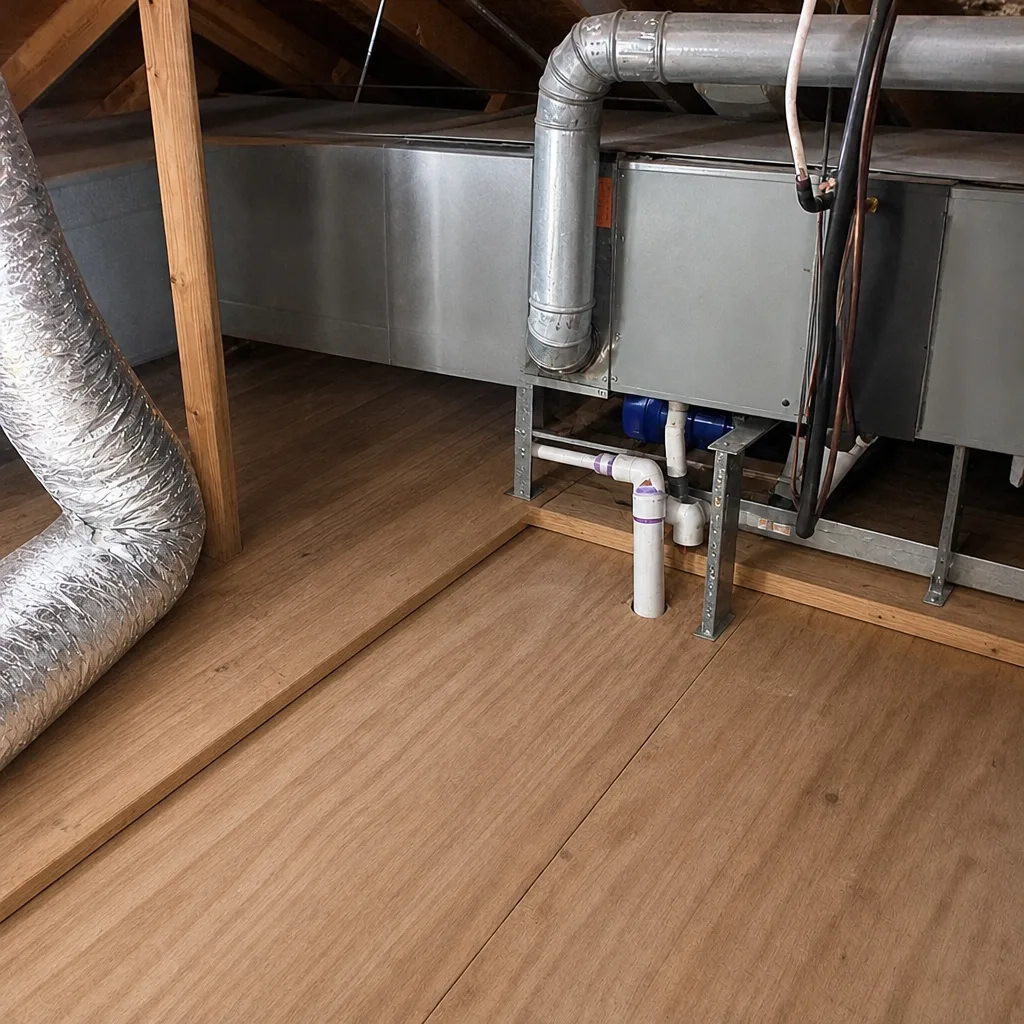 After