
Last updated November 24, 2026
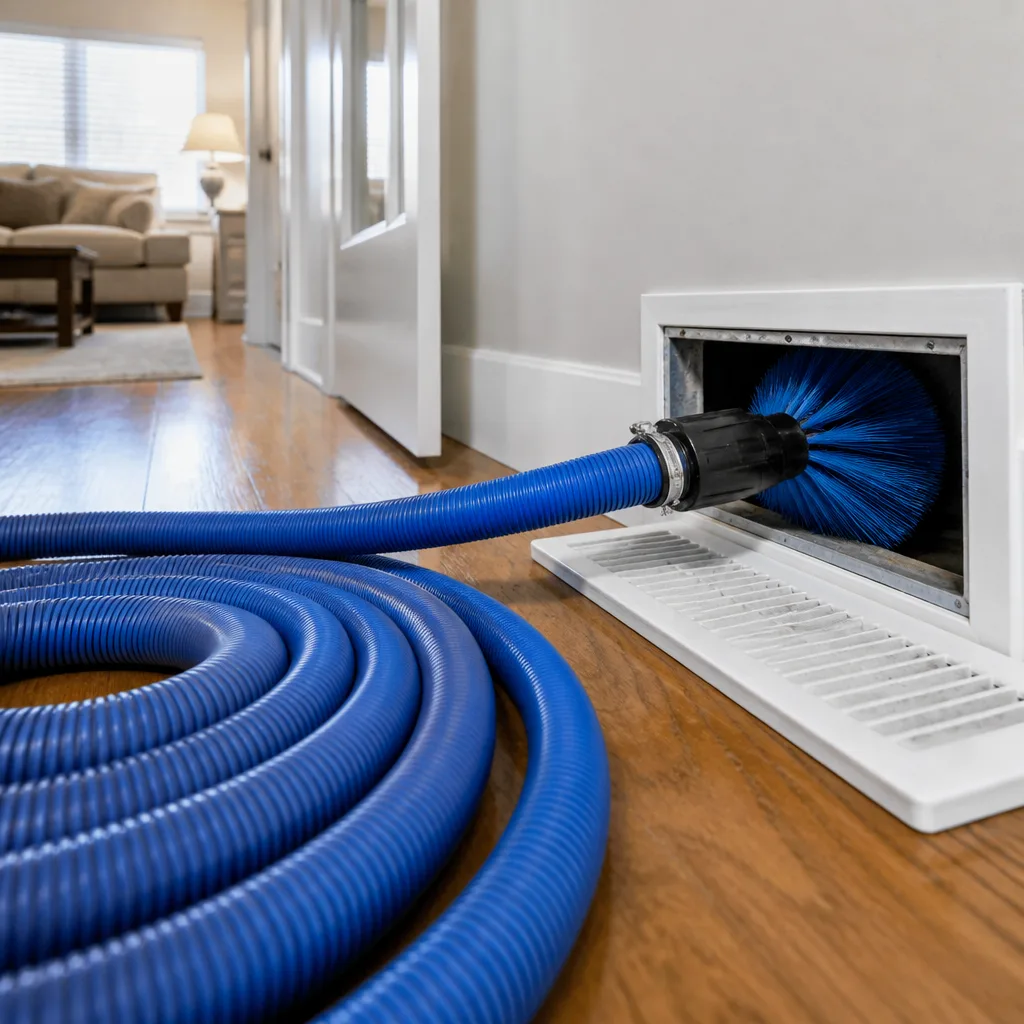 Whole-home duct cleaning
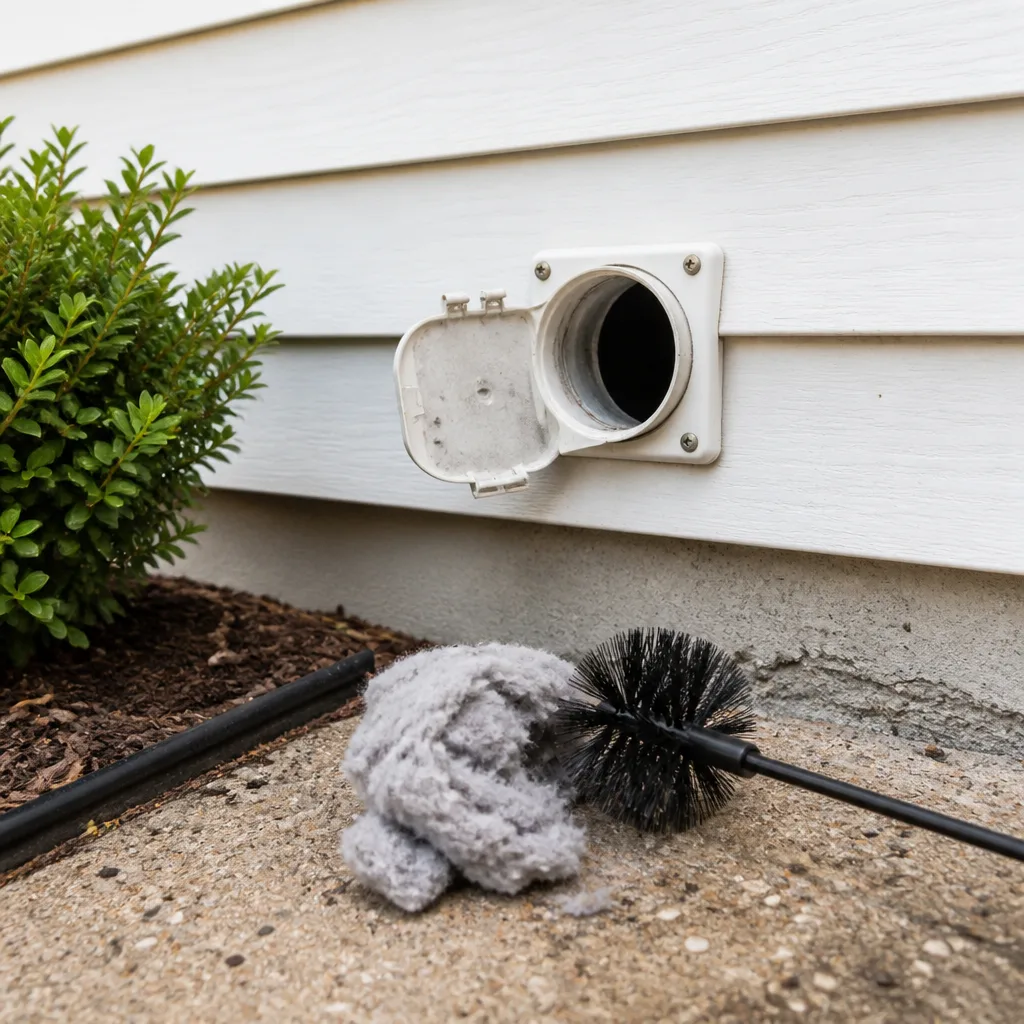 Dryer vent cleaning
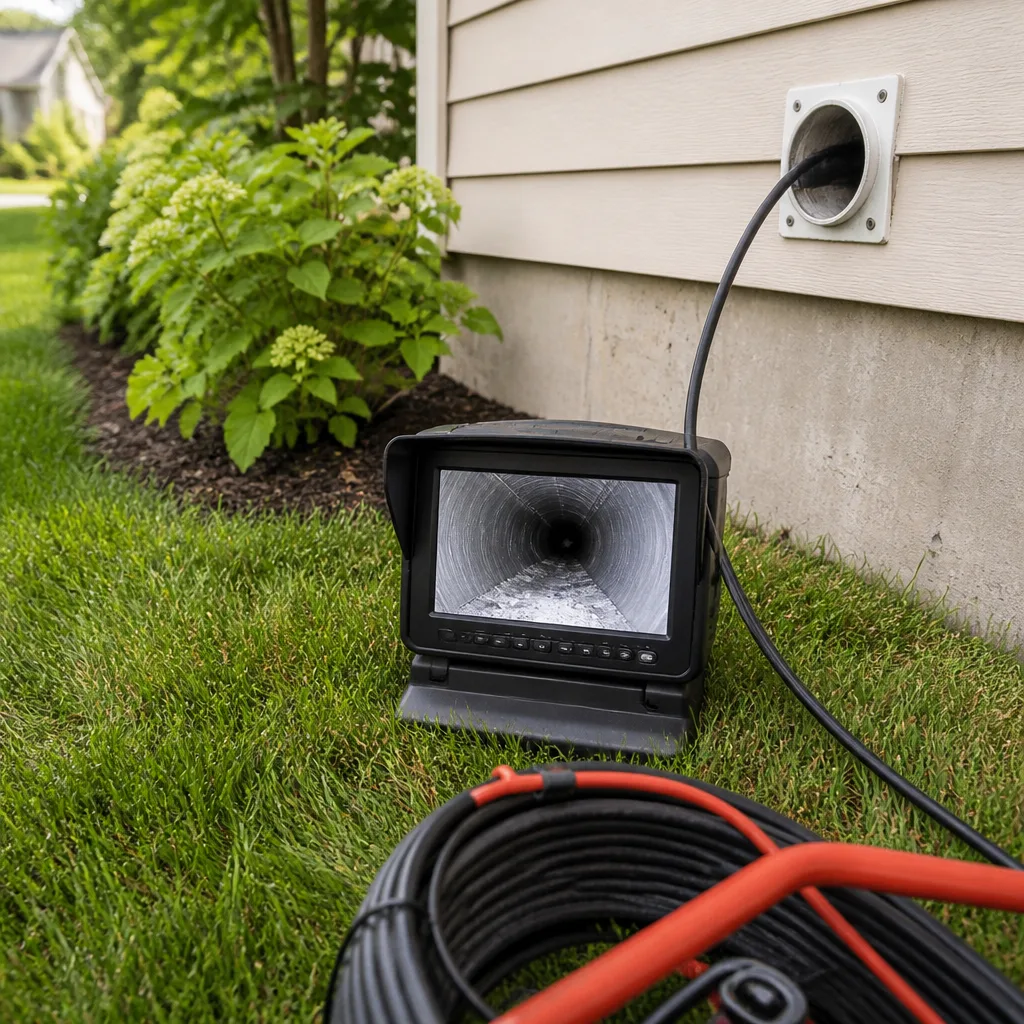 Camera inspection
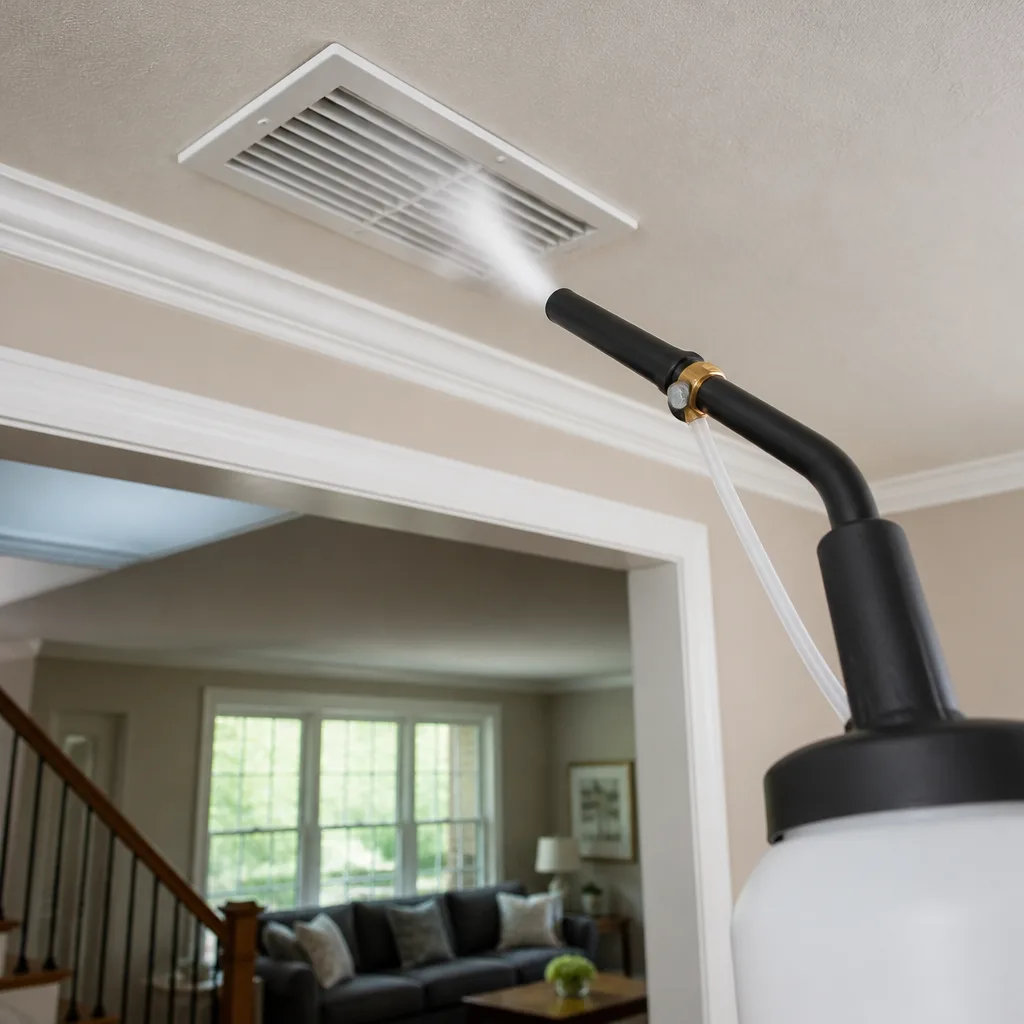 Sanitizing & deodorizing
Whole-system duct and dryer vent check with before-and-after photos - you see exactly what came out of your vents
That "$99 whole-house special" is a bait ad - the real number appears once they are in your hallway, or the "clean" is a shop-vac at the register. We photograph the inside of your ducts before and after instead.
Air Duct Cleaning Maintenance Checklist for Murphy Creek Homeowners
The most common mistake we see in Murphy Creek isn’t skipping duct cleaning altogether. It’s replacing filters on schedule, assuming that’s enough, and never looking at what the filter can’t reach. Filters catch what passes through them. They don’t stop dust from settling on duct walls, they don’t carry away debris that drops out of the airstream in the trunks and branches, and they don’t tell you when airflow has quietly degraded. That gap is where contamination builds. This guide gives you a between-service routine: a register inspection you can finish in under fifteen minutes, a way to track airflow without instruments, and a handoff list that lets a technician work efficiently on the first visit instead of starting from zero.
Quick Answer
A practical duct maintenance checklist for Murphy Creek homeowners means inspecting every supply and return register once a month, tracking filter changes against how quickly the downstream ductwork soils, logging baseline airflow with a simple tissue or hand test, and watching for local triggers like nearby construction, wildfire smoke days, and high-wind dust events. That routine tells you when the system needs professional attention and which service it actually needs: cleaning, sealing, sanitizing, or some combination. It doesn’t replace air duct cleaning, and it isn’t meant to. It’s how you know when to schedule one.
Styles & brands we work with
- Whole-home duct cleaning
- Dryer vent cleaning
- Camera inspection
- Sanitizing & deodorizing
Table of Contents
- Why Replacing Filters Isn’t the Same as Maintaining Ducts
- The 15-Minute Room-by-Room Register Inspection
- Filter Tracking vs. Duct Tracking: How MERV Ratings Change Your Inspection Frequency
- Logging Baseline Airflow at Registers Without Special Equipment
- Murphy Creek Factors That Accelerate Duct Loading
- A Seasonal Maintenance Calendar for Murphy Creek Homes
- The Handoff Checklist: What to Tell a Technician Before the Visit
- What “Clean” Doesn’t Fix: Sealing, Repair, and Air Quality
Why Replacing Filters Isn’t the Same as Maintaining Ducts
A filter is a single barrier at one point in the system. It sits at the return or in the air handler, and everything that gets past it keeps moving. Some of that material stays suspended and reaches the rooms. The rest settles wherever the airstream slows down: on the walls of main trunks, at elbows, at the shoulders where branches split off, and on the return side where air moves with less velocity. None of that is visible from a filter slot. It’s also not something a new filter removes, because the filter only treats air passing through it going forward.
That’s why “I change my filter every three months” and “my ducts are clean” are two separate statements. The first is a habit. The second is a condition you have to check. In our experience, the homes that end up with the heaviest duct loading aren’t the ones with neglected filters. They’re often the ones with disciplined filter changers who never looked at a register boot in five years.
What good between-service maintenance actually does:
- It separates normal soil from abnormal soil. Every system collects some dust. The question is whether the rate is steady or climbing, and whether it’s concentrated in one zone.
- It catches problems the filter can’t. Loose joints, torn flex duct, disconnected boots, and gaps at the plenum let unfiltered air in downstream of the filter. No filter rating fixes a leak.
- It builds a record. A written log of what you saw and when gives a technician something to reason from, and it’s the difference between a targeted visit and a guess.
This is what we mean when we say clean ducts are only half the job. The other half is knowing the condition of the system and acting on what you find.
The 15-Minute Room-by-Room Register Inspection
One monthly pass through the house, register by register, catches early contamination before it spreads through the system. Fifteen minutes is realistic for a typical Murphy Creek home once you’ve done it twice. Do it with the system running so you can feel airflow at the same time you’re looking at condition. You don’t need tools. A flashlight and a phone camera are enough.
- Start at the return. Remove the grille and look at the filter slot and the duct wall behind the filter. This is the first place heavy loading shows up because it’s upstream of nothing but the return trunk.
- Photograph the filter and note the date. A photo of a dirty filter tells you more than a memory of one, and the date lets you compare the next one against it.
- Work room by room, supply registers only. Shine the light into the boot and up the run as far as you can see. Note color and texture: light gray dust is routine, dark or greasy film is not, and fuzzy or patchy growth is worth flagging immediately.
- Hand-test the airflow at each register. Hold your hand flat a few inches away for a count of five. It’s subjective, but it’s consistent if you do the same thing every month.
- Look at the grille itself. Streaking on the grille face, dust shadows on the ceiling around it, or dark halos at the edges point to leakage at the boot rather than a duct interior problem.
- Smell the register. A musty or earthy note at one register and not others is a zone-specific clue. Note which room.
- Check the return grille in each bedroom and hallway. Returns soil faster than supplies on most systems, and they’re the ones people forget.
- Write down anything unusual with the room name. “Guest bath supply, dark film on boot lip” is useful. “Some dust” is not.
One pass gives you a snapshot. Three passes give you a trend. The trend is what tells you whether you’re looking at a routine maintenance interval or something that changed.
Filter Tracking vs. Duct Tracking: How MERV Ratings Change Your Inspection Frequency
Higher-MERV filters catch more particles, and that changes the maintenance picture in two directions at once. Better filtration means less material reaches the ductwork, which is good. But a denser filter also loads faster and restricts airflow as it does, and restricted airflow changes how debris behaves in the ducts downstream. That’s why the right inspection frequency depends on your filter rating, not on a general rule.
Here’s how we’d adjust the monthly routine based on what you’re running:
- Basic pleated filters (lower MERV): More material passes through. Expect faster soil accumulation in the return trunk and at the first supply branch after the air handler. Inspect monthly and check the return duct wall, not just the filter.
- Mid-range pleated filters: A reasonable middle ground for most homes. The filter is doing real work, so duct loading is slower, but filter changes come more often. Track both on the same calendar.
- High-MERV and media cabinets (brands like Aprilaire): Excellent particle capture, but watch static pressure. If airflow at distant registers starts dropping while the filter is still within its service window, the filter may be loading faster than expected or the system may be undersized for that rating.
- Washable or reusable filters: These are common and often under-maintained. A reusable filter that’s cleaned less often than it should be is worse than a cheap disposable changed on time.
The practical rule: your filter change interval is not the same as your duct inspection interval. Log both. When you notice the filter loading faster than it used to, that’s a signal to look downstream more carefully, because whatever is loading the filter is also loading the system.
If your home has a whole-house humidifier or dehumidifier tied to the HVAC system, add its pad or canister to the same calendar. Honeywell and Aprilaire controls and humidification components are common in this part of Colorado, and a humidifier running on a neglected pad is a moisture source sitting next to ductwork.
Logging Baseline Airflow at Registers Without Special Equipment
You can detect airflow degradation over time with nothing but a sheet of tissue paper and a notebook. The trick is consistency, not precision. You’re not measuring cubic feet per minute. You’re establishing what normal looks like at each register so a change becomes obvious.
- Pick a reference time. Use the same conditions each time: filter freshly changed or at the same point in its cycle, same thermostat setting, system running in the same mode. Note the date and the filter age on the log.
- Use the tissue test. Hold a single ply of tissue flat against the register face. Record whether it flutters lightly, blows out firmly, or barely moves. Three categories are enough.
- Count the deflection. For a slightly more objective read, hold the tissue by one corner at a fixed distance from the grille and count how far it lifts. Whatever number you get first time is your baseline for that register; you’re comparing against yourself, not against a spec.
- Record every register on one page. Room name down the left, date across the top. This is your airflow map.
- Watch for the outliers. The registers that read weaker than the rest are the ones to check first. A single weak register usually means a branch problem (a loose joint, a crushed run, or a damper partly closed). Several weak registers on the same side of the house points to a trunk or air handler issue.
- Re-test after any change. New filter, new furniture blocking a return, a closed damper, or work done on the system: re-run the tissue test and update the log.
Two or three months of logs will show you things a one-time inspection can’t. A register that drops from “firm” to “light flutter” over two months is telling you something changed. That’s the kind of observation that turns a service call from guesswork into a targeted job.
Murphy Creek Factors That Accelerate Duct Loading
Murphy Creek sits on the eastern edge of the Denver metro, in open country where wind moves across the plains with little to slow it down. Homes here face a set of conditions that load ductwork faster than a sheltered, tree-dense neighborhood would. Three factors come up again and again.
Construction activity nearby. New build and renovation around Murphy Creek and the surrounding corridor generate fine drywall dust and silica that travels farther than people expect. If there’s active construction within a few hundred yards, your filter and ducts are both working harder. Expect to shorten your filter interval and inspect registers more often during that period. Drywall dust is fine, abrasive, and settles deep in trunks.
Wildfire smoke events. Smoke season along the Front Range pushes fine particulate into homes even with windows closed, because the system is pulling outdoor air and because homes aren’t airtight. A high-MERV filter helps, but smoke events also leave odor compounds and fine ash that a filter doesn’t fully address. After a significant smoke episode, it’s worth checking registers for fine gray residue and considering whether the system needs more than a filter change.
High-wind dust days. The spring and early summer wind pattern across this part of Colorado drives dust into every gap: attic bypasses, around recessed lights, at the furnace cabinet, and at duct joints in unconditioned space. A wind event is effectively a loading event. Note it on your log the same way you’d note a filter change.
One more local consideration: this is hail country, and roof replacement is a recurring event in Murphy Creek. Roofing work drops grit and granules into attic spaces, and attic duct runs are often where that material ends up. If your home has had roof work, check the attic-side ducts and any flex runs visible through the access. A licensed local professional can assess attic duct condition safely; we don’t recommend homeowners crawling attic ductwork themselves.
A Seasonal Maintenance Calendar for Murphy Creek Homes
A calendar turns a checklist into a habit. This is the rhythm we’d suggest for a typical Murphy Creek home, adjusted for whatever your inspection log is telling you. It’s a starting point, not a fixed schedule, and it should bend when conditions change.
- Early spring (before cooling season): Full register walkthrough. Replace or clean the filter. Run the tissue test and log airflow before the system switches to cooling. Check the outdoor unit area for debris and the condensate line for clogs. If you’ve had a dry, windy winter, this is the pass where you’ll see the accumulation.
- Late spring (smoke season approach): Confirm your filter rating and stock replacements. Note the date of your last professional service. If it’s been more than a couple of years or your log shows climbing soil, book an HVAC cleaning so the air handler, coil, and blower are addressed at the same time as the ducts.
- Summer: Monthly register inspections. Watch for musty odors, which are more noticeable when the system runs constantly. Any odor that shows up at one register and spreads over weeks is worth investigating before fall.
- Early fall (before heating season): Full walkthrough again. Filter change. Airflow log. Check the return grille and the filter slot. If your log shows a filter loading faster than last year, that’s the year’s most useful data point.
- Late fall: A good time to schedule professional cleaning if it’s due, because it lets you start heating season with a clean system. Dryer vent cleaning belongs here too: lint accumulation is a fire risk regardless of season, and it’s easy to forget until it isn’t.
- Winter: Monthly inspections continue. Homes are closed up, windows shut, and any odor or dust issue is amplified. Note furnace runtime against register airflow; if the system runs longer than it used to, look for restricted airflow before assuming a furnace problem.
One thing that belongs on this calendar year-round: a visual check of the dryer vent’s exterior termination. It’s a fire-safety item, not an air-quality item, and it takes thirty seconds. If the flap doesn’t move freely when the dryer runs, it’s restricted.
The Handoff Checklist: What to Tell a Technician Before the Visit
A technician arriving cold has to spend the first part of any visit reconstructing what you already know. That’s time you paid for. Handing over organized information lets them prioritize, and it often changes which service makes sense. Here’s what’s actually useful to have ready.
- The airflow log. Even two months of tissue-test records is more useful than a description. Which registers are strong, which are weak, and which changed.
- The register inspection notes. Room-by-room, with dates. Include photos of anything that looked off: streaking, dark film, fuzzy patches, dust shadows on ceilings.
- Filter history. What rating you’ve been running (Honeywell and Aprilaire media filters are common in this area), how often you change it, and whether the interval has been shortening.
- Odor notes. Which rooms, when it’s worst, and whether it changes with the season or with system mode. Perfume-like, musty, and exhaust-like all point to different causes.
- A recent renovation or event list. New flooring, drywall work, a roof replacement, a nearby construction project, or a major wildfire smoke episode in the past year. These change how a technician approaches the job.
- System details. The age of the HVAC equipment if you know it, a photo of the data plate on the air handler, and any recent service history.
- Your goal for the visit. “The master bedroom is always the worst” and “I want to know if I need sanitizing, not just cleaning” are different asks. Say which.
One caution that matters for safety: don’t open the air handler cabinet or touch electrical components to gather this information. The air handler and any control board inside it are a trained-professional job, and we’d rather you hand over what you can see from the register than take a panel off. A licensed local professional can inspect the cabinet safely.
What “Clean” Doesn’t Fix: Sealing, Repair, and Air Quality
Mechanical cleaning removes what’s accumulated. It doesn’t close the gap that let unfiltered air in, and it doesn’t address biological growth if there is any. That’s why we treat cleaning as one of five services rather than the whole answer. The other four exist for the problems cleaning leaves behind.
- Duct repair and sealing. Gaps at joints, disconnected boots, torn flex runs, and poorly sealed plenums let air escape into unconditioned space and let dust in. Sealing closes the loop on air loss and re-contamination. It’s the step most cleaning-only providers skip, and it’s often the reason ducts get dirty again quickly after a cleaning.
- Air quality and sanitizing. Mold spores, allergens, and bacteria aren’t removed by mechanical brushing alone. We work with Abatement Technologies for contaminant control and use Guardsman products where they fit the job. A credentialed approach to biological contaminants is different from spraying something into a vent and calling it done.
- HVAC cleaning. The air handler, blower, and coil are part of the same system. Cleaning ducts without addressing a soiled blower wheel or coil is incomplete work.
- Dryer vent cleaning. Separate from the HVAC system, and a genuine safety item. Lint restriction is a fire risk. It’s also easy to book alongside a duct service.
The reason to have one contractor for the entire ventilation system is coordination. When cleaning, sealing, and sanitizing are separate contractors, each one works around the other’s job and nobody owns the outcome. Together, they solve the problem at the source. And when the work is done with professional-grade equipment (Rotobrush and Nikro systems, not consumer shop-vac setups), you can see the difference in before-and-after photos of your own ducts. Ask for them.
Common Mistakes to Avoid
- Treating a filter change as duct maintenance. It’s necessary and it’s not sufficient. If you’ve never looked inside a register boot, you don’t know the condition of your system, regardless of how disciplined your filter habit is.
- Waiting for a visible problem. Duct contamination is invisible from living space. Waiting for dust on the ceiling or a persistent odor means you’ve missed months of warning signs that a register inspection would have caught early.
- Skipping the return side. Returns soil faster than supplies, and they’re the registers people clean least often. Check the filter slot and the duct wall behind the filter every month.
- Ignoring a single weak register. A weak register in one room usually means a branch problem. Left alone, the system runs longer, the pressure balance shifts, and dust settles in different places.
- Choosing a service on price alone. A quote that’s far below everything else usually means equipment and scope are different. Ask what equipment is used and whether sealing is included. Professional-grade equipment and consumer equipment produce different results.
- Not watching local conditions. A new construction project nearby or a bad smoke week changes your maintenance interval temporarily. A fixed annual schedule that ignores conditions will miss those events.
- Cleaning without sealing. Cleaning dirty ducts when the system has open joints means you’ll be cleaning them again sooner than necessary. Fix the source of re-contamination, not just the symptom.
See the difference
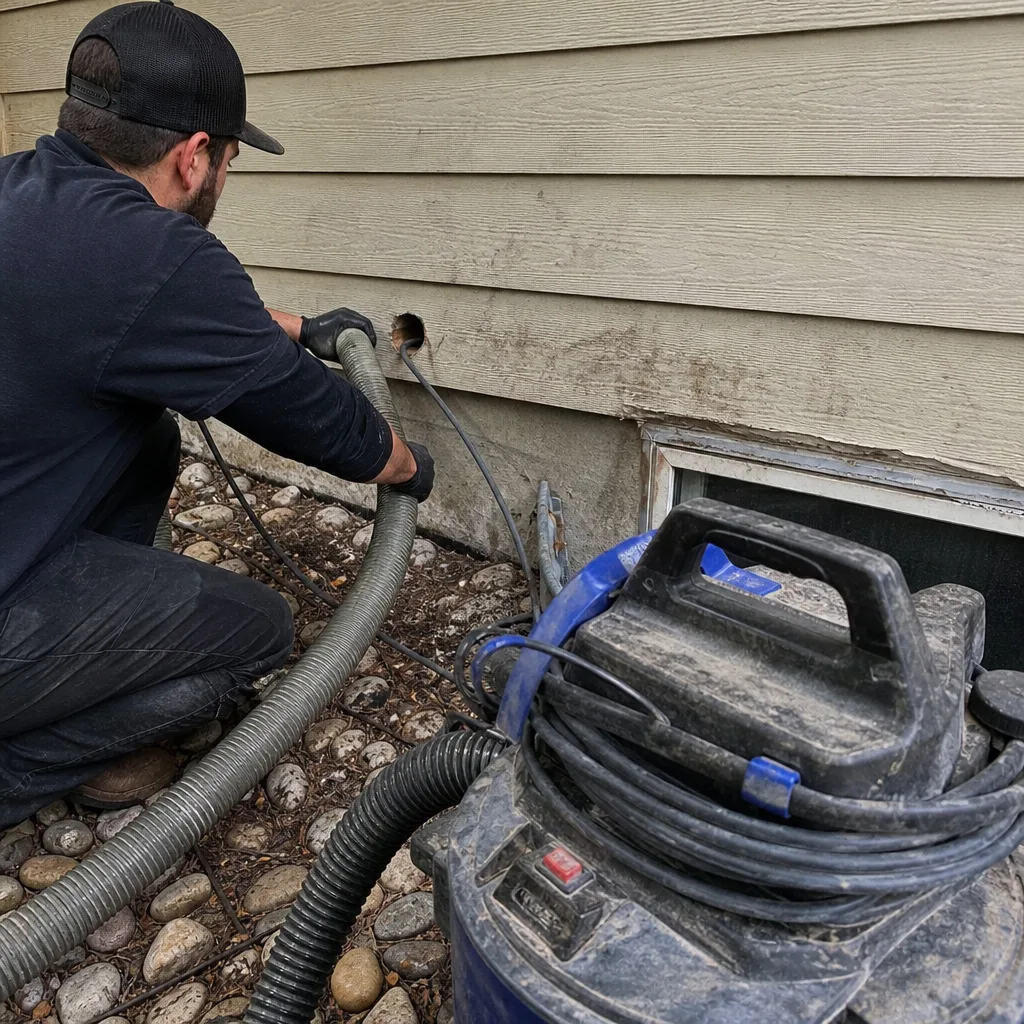 Before
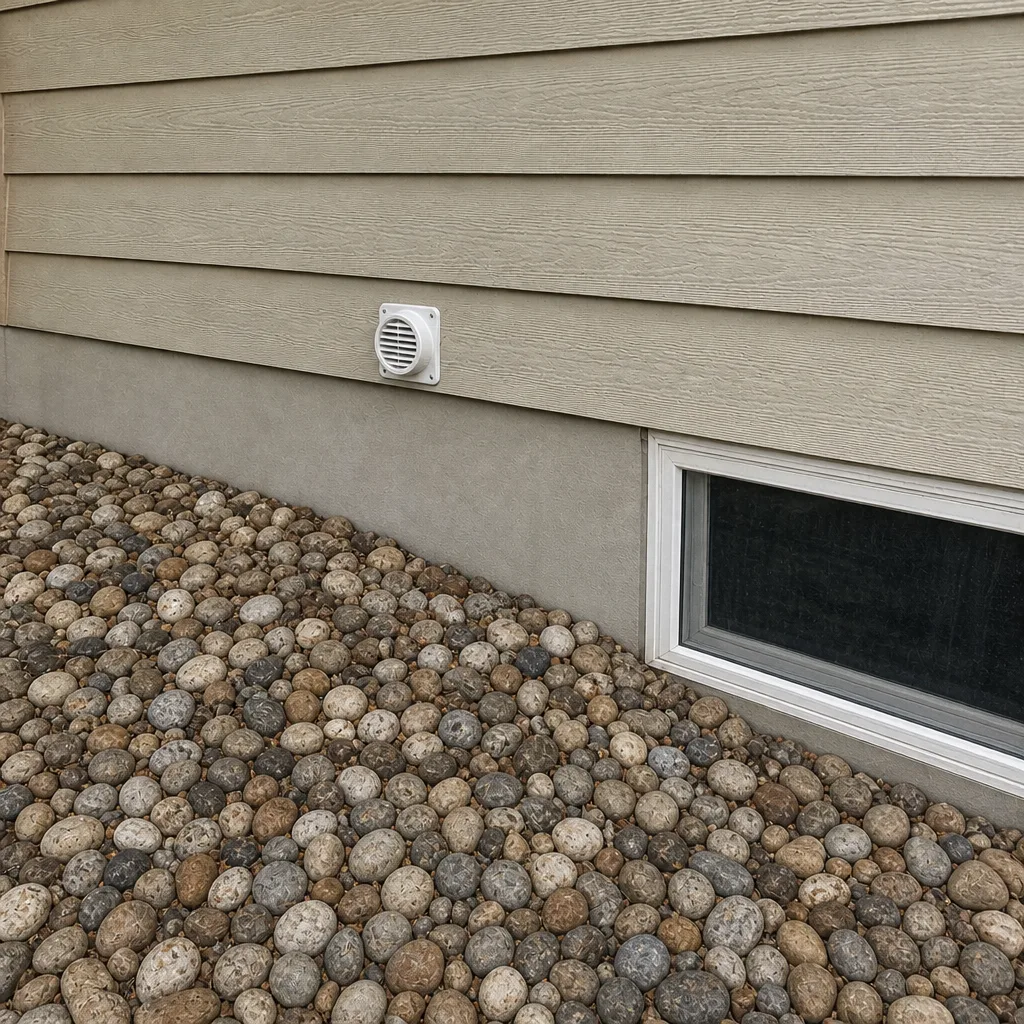 After
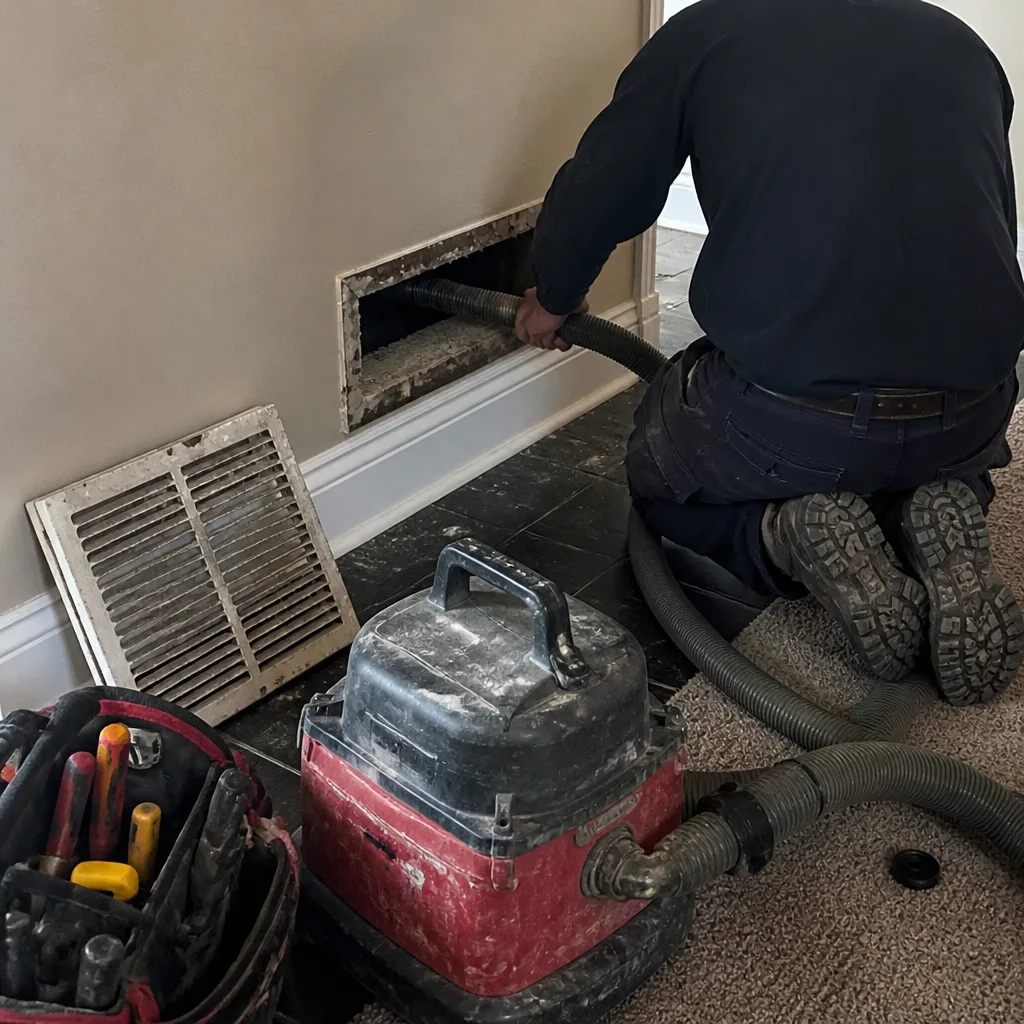 Before
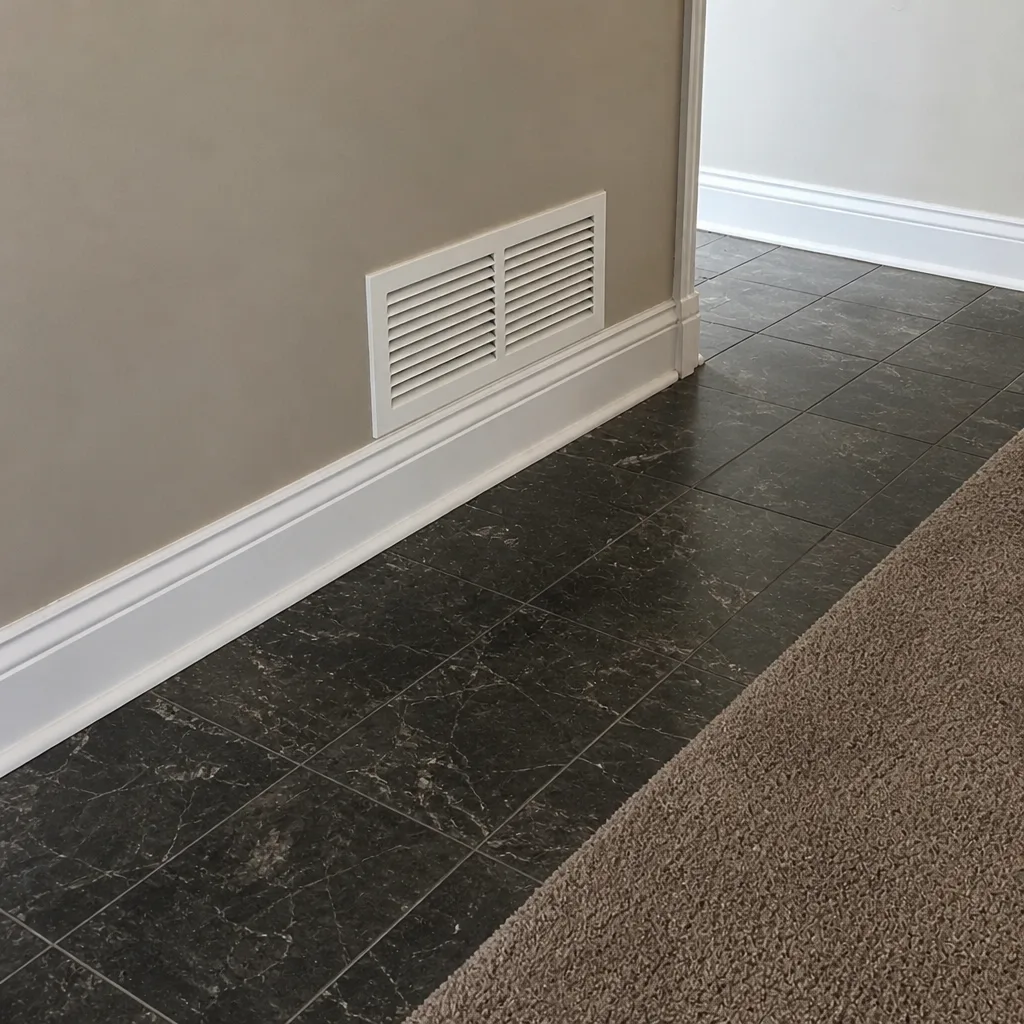 After
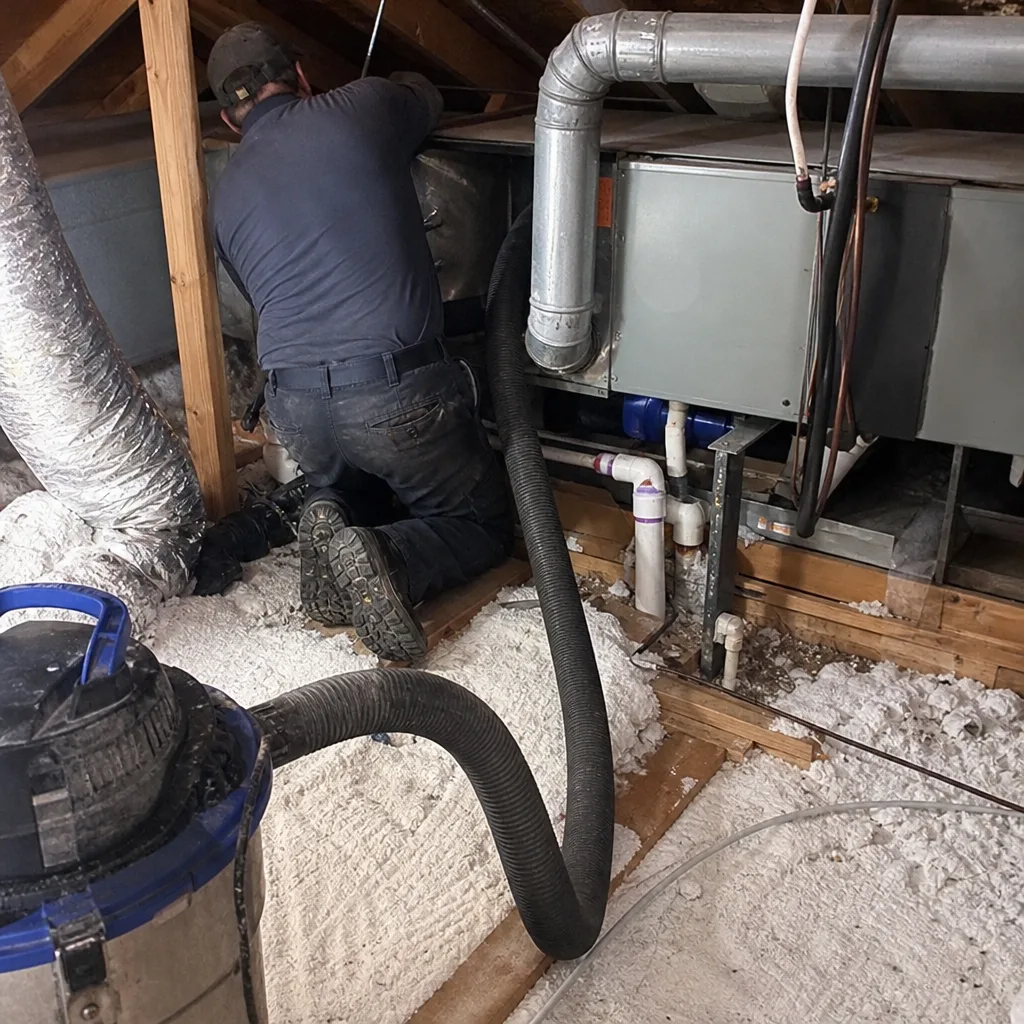 Before
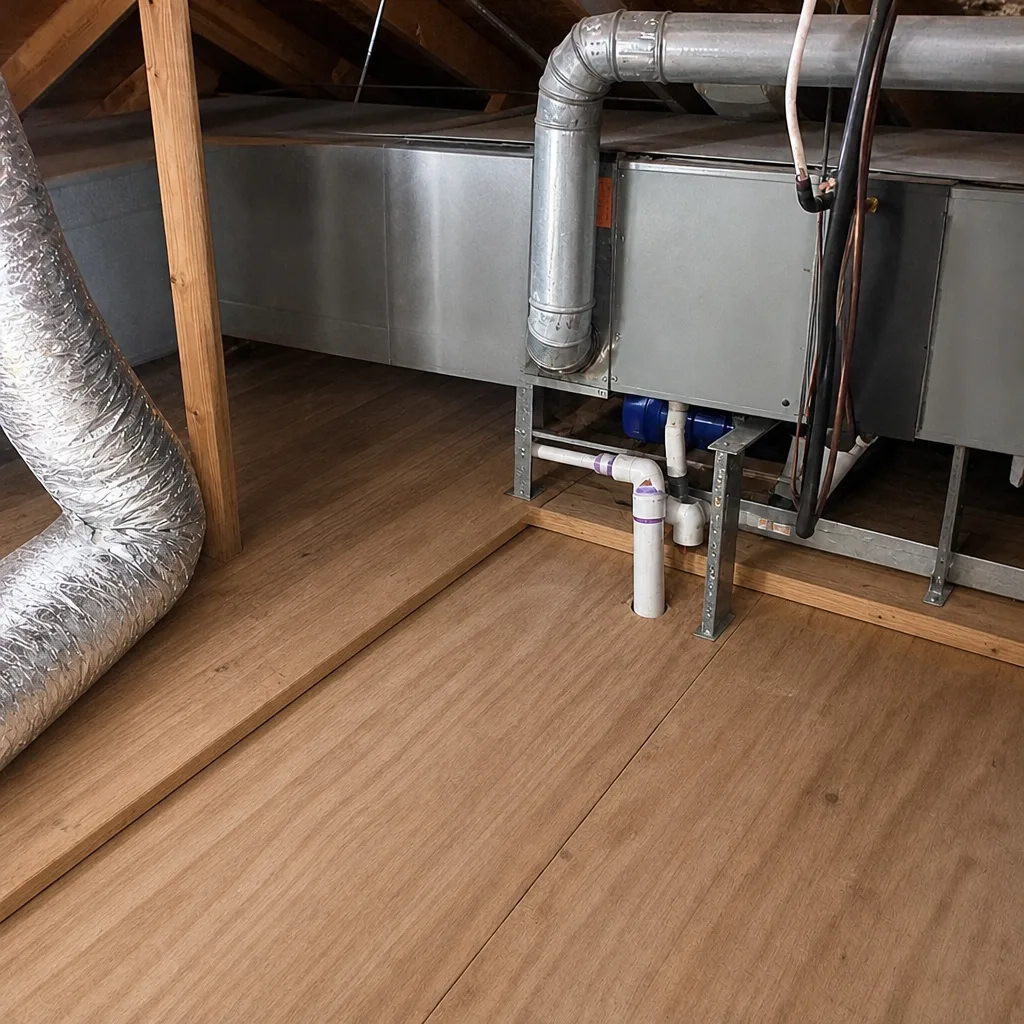 After
When to Call a Professional
Your checklist tells you when to act; it doesn’t tell you how to do the work. Call a professional when you see dark, greasy, or fuzzy growth at a register, when a musty odor appears in one room and doesn’t clear, when several registers test weak at the same time, or when your log shows filter intervals shortening quickly. Call after a major renovation or roof replacement if the work involved attic space, and call after a serious wildfire smoke event if you notice fine residue or persistent odor. Call if your HVAC system runs noticeably longer than it used to without an equipment explanation. And call if it’s simply been long enough that you don’t remember the last professional service. Air Duct Cleaning Murphy Creek offers free estimates in Murphy Creek. Call (855) 658-5202. We answer 24/7. Fast dispatch from 7am to 7pm, Sunday through Friday.
Frequently Asked Questions
For most Murphy Creek homes, professional cleaning every few years is reasonable, but the actual interval depends on your inspection log. Homes near active construction, homes that have had roof work, and homes with pets or allergy sufferers usually need attention sooner. The checklist in this guide is how you decide, rather than guessing at a fixed number.
You can inspect them, and this guide shows you how. You can’t clean them effectively without professional extraction equipment. Consumer shop-vac setups don’t generate the airflow to pull debris off duct walls, and they can’t reach far into runs or address the air handler safely. The air handler cabinet and any electrical components inside should only be opened by a trained professional.
Filter tracking is your change interval: when you swapped it, what MERV rating it was, and whether the interval is shortening. Duct tracking is what you observe at the registers: soil color, airflow strength, and odor. They’re related but separate. A filter can be changed perfectly on schedule while ducts downstream accumulate material the filter never had a chance to catch.
It helps, but it doesn’t make duct inspection unnecessary. Higher-MERV filters catch more particles before they reach the ductwork, which slows accumulation. They also load faster and can restrict airflow as they do, and high-MERV filters are only effective if the system is sized for them. Keep inspecting the registers regardless of what rating you run.
A single weak register usually points to a branch problem: a partially closed damper, a loose joint, a crushed or kinked flex run, or a disconnected boot. Several weak registers on the same side of the house points to a trunk or air handler issue. The airflow log tells you which pattern you’re looking at, and that’s the first thing a technician should know.
Bring your airflow log, register inspection notes with photos, filter history, any odor observations, and a list of recent renovation or roof work. Add your goal for the visit, like “I want to know if sealing is needed.” That combination lets the technician prioritize on arrival instead of starting from scratch, and it means the visit is targeted rather than generic. Call (855) 658-5202 for a free estimate, and we’ll go from there. We answer 24/7.
The Bottom Line
Between-service duct maintenance isn’t about cleaning anything yourself. It’s about monitoring the right signals so you know when the system needs professional attention and what it needs. The register walkthrough takes fifteen minutes a month. The airflow log takes five more. Those two habits, run alongside disciplined filter changes, give you a picture of your system’s condition that no invoice can replace. Add the local triggers (construction, wildfire smoke, wind events, roof work) to your calendar, and you’ll catch loading before it spreads. When your log points to a professional service, dryer vent cleaning is worth bundling in while the crew is on site, especially if it’s been a while.
When you’re ready, call Air Duct Cleaning Murphy Creek at (855) 658-5202 for a free estimate. We answer 24/7. Fast dispatch from 7am to 7pm, Sunday through Friday.
Written by the team at Air Duct Cleaning Murphy Creek.