
Last updated November 24, 2026
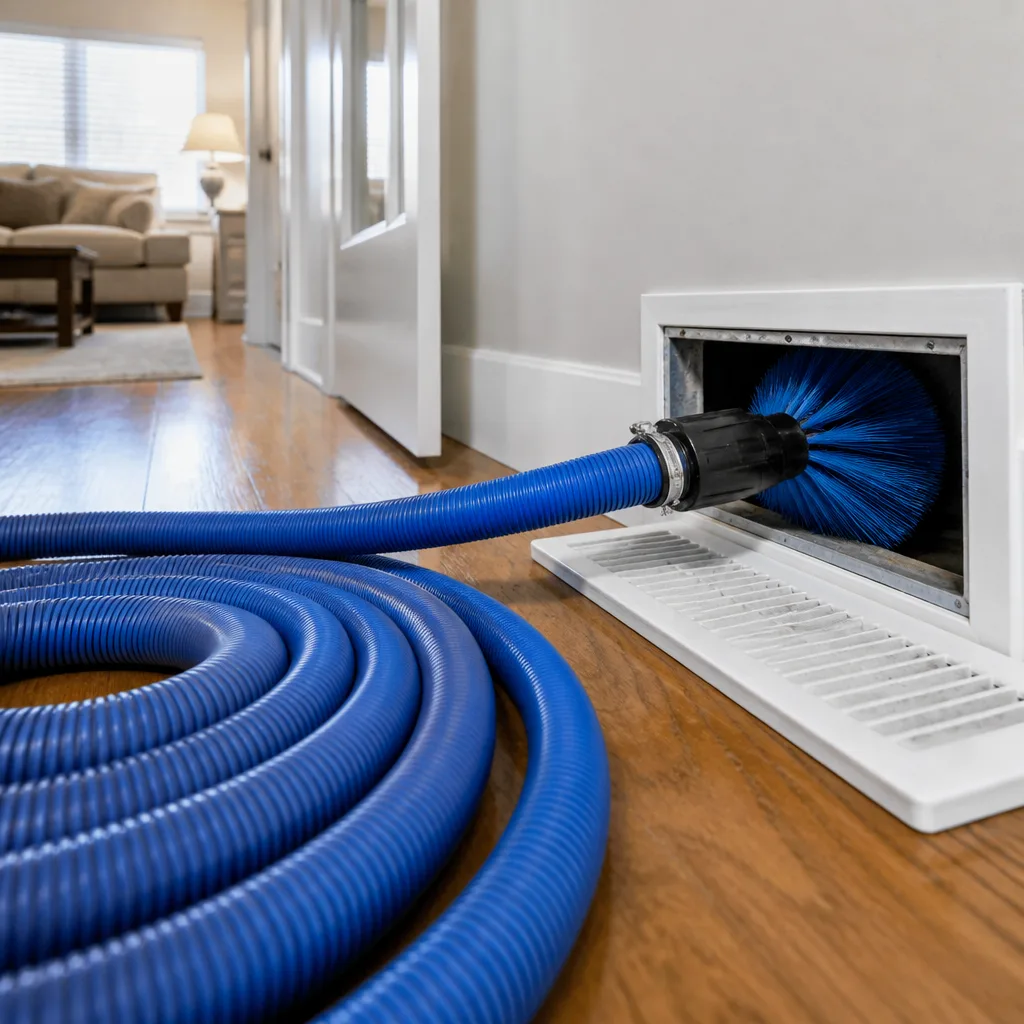 Whole-home duct cleaning
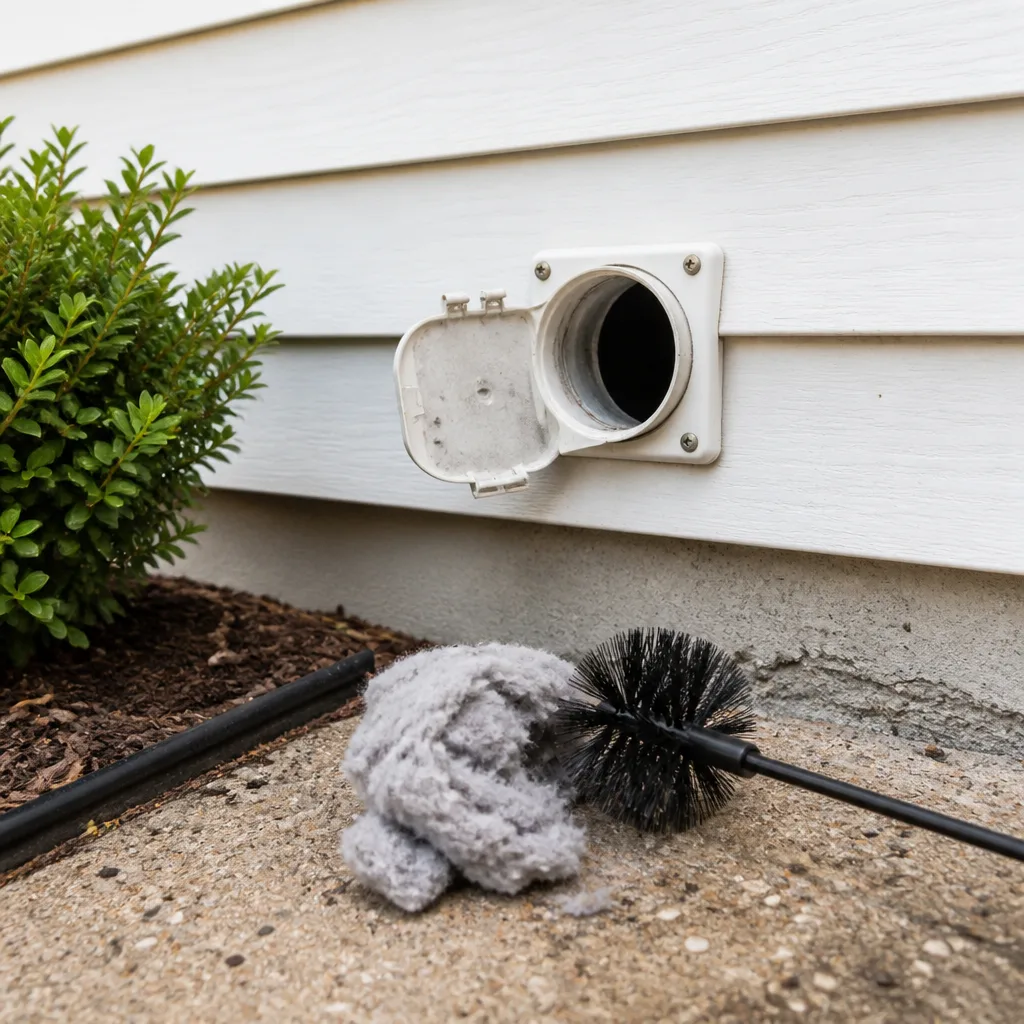 Dryer vent cleaning
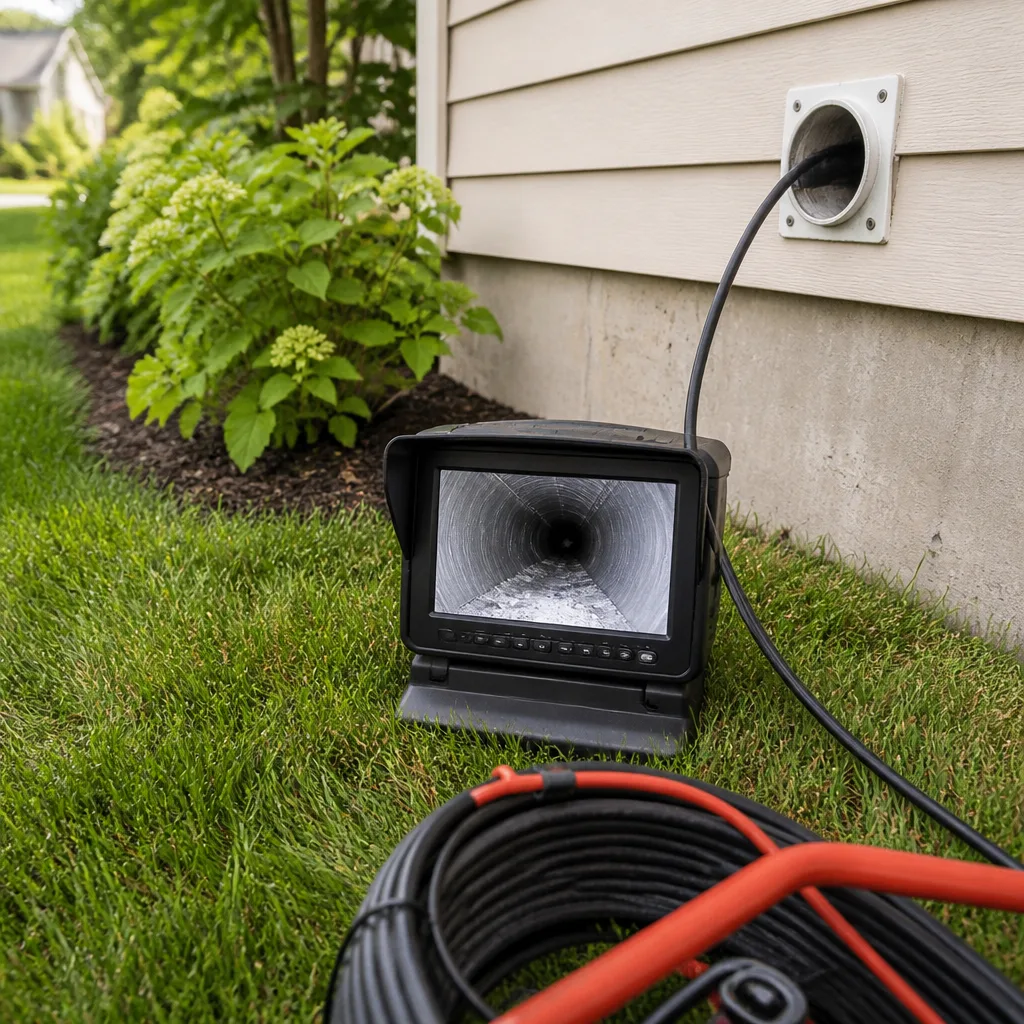 Camera inspection
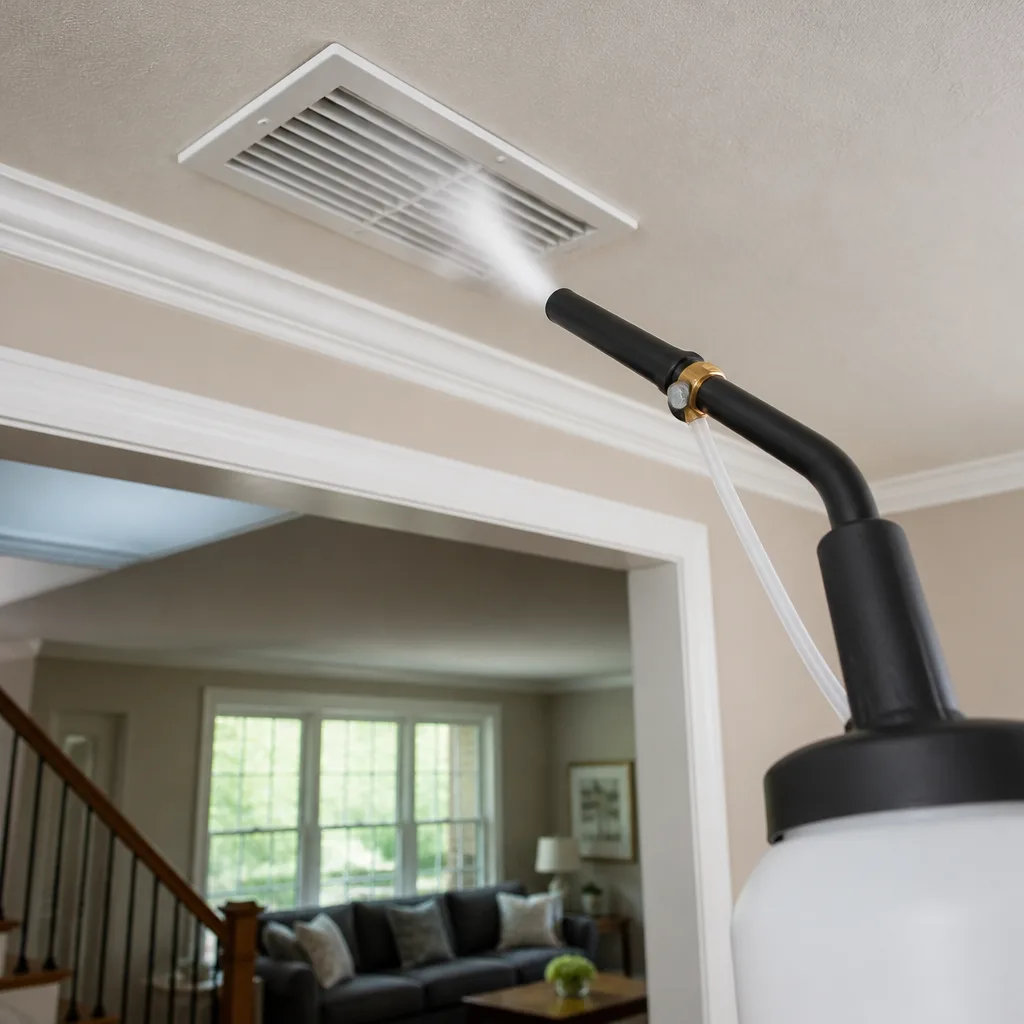 Sanitizing & deodorizing
Whole-system duct and dryer vent check with before-and-after photos - you see exactly what came out of your vents
That "$99 whole-house special" is a bait ad - the real number appears once they are in your hallway, or the "clean" is a shop-vac at the register. We photograph the inside of your ducts before and after instead.
Air Duct Cleaning Cost Breakdown: The Murphy Creek Homeowner’s Reference for 2026
A $149 whole-house duct cleaning and a $650 whole-house duct cleaning are almost never the same service. In most cases they don’t even use the same equipment category. One is often a shop-vac-and-a-brush visit that stirs dust loose and leaves it in the system. The other is a negative-air mechanical cleaning that pulls debris out under controlled pressure, brushes every run, and puts the system back together sealed. Same words on the invoice, completely different work. In this guide we break down what actually drives the price of air duct cleaning in Murphy Creek in 2026 – line by line, so you can read a quote and know what you’re paying for – and what a fair range looks like for the southeast Denver metro.
Quick Answer
In 2026, a legitimate full-system air duct cleaning for a typical Murphy Creek home runs roughly $450 to $850, depending on square footage, the number of supply and return runs, and whether sanitizing or duct sealing is included. Anything advertised well under $300 for a whole house is almost always a per-vent upsell in disguise, with add-ons added once the technician is inside. The written estimate, agreed before work starts, is what sets your final price.
Styles & brands we work with
- Whole-home duct cleaning
- Dryer vent cleaning
- Camera inspection
- Sanitizing & deodorizing
Table of Contents
- What actually drives the price in Murphy Creek
- Why per-vent pricing is misleading
- Equipment: why two quotes with the same words can be $400 apart
- Murphy Creek-specific cost factors: longer runs and two-zone systems
- What a fair 2026 price range looks like by home size and scope
- Sanitizing, UV and dryer vent cleaning: which add-ons are worth it
- Questions to ask before you sign anything
- Common mistakes to avoid
What Actually Drives the Price in Murphy Creek
The single most common pricing mistake homeowners make is assuming the price scales with square footage the way carpet cleaning does. Duct cleaning doesn’t work that way. Square footage matters, but it’s the number of supply and return runs, the accessibility of the trunk line, and the overall configuration of the system that decide how long a real cleaning takes. A 2,200-square-foot Murphy Creek home with a long second-floor trunk and two returns can take longer to clean properly than a 2,800-square-foot ranch with a compact layout.
Here’s what actually moves the number, in rough order of impact:
- Number of supply and return runs. Each run has to be individually brushed and extracted. More runs, more time, higher price.
- Trunk line length and layout. Long runs – common in newer two-story construction – take more hose and more careful pressure management to clean without damage.
- Accessibility. Registers under furniture, returns in closets, ceiling registers in a two-story foyer: all of it adds setup time, and setup is real labor.
- System condition. Heavy debris loads, prior renovation dust, or evidence of moisture take longer to clear than a lightly soiled system.
- Scope beyond cleaning. Sealing, repair, and sanitizing are separate line items, priced separately, not bundled into a teaser figure.
In our experience in Murphy Creek, the homes where pricing gets misunderstood most often are the newer builds with long runs and two-zone setups. Those systems have more moving parts than a single-zone home built decades earlier, and a quote that ignores the zoning is usually a quote that wasn’t built from an actual inspection.
Why Per-Vent Pricing Is Misleading
Per-vent pricing means the company charges a fixed amount per register, then adds up the total. On the surface it looks fair and transparent. In practice it almost always produces either a shock at the invoice or a scope that wasn’t actually done, and it’s the pricing structure behind most of the low-number-then-large-invoice problem in this trade.
Here’s the issue: a register count says nothing about trunk length, access difficulty, debris volume, or whether the technician brushes the entire run or just the first few feet. Two homes could both register at “fourteen vents” and be completely different jobs. Per-vent pricing also encourages a company to count vents generously and clean them shallow – the number of vents gets you paid, so the incentive is volume, not thoroughness.
What we use instead is one flat price per system, agreed in the written estimate before any work starts. That price is built from an actual on-site inspection: how many runs, what condition they’re in, what access looks like. It doesn’t change because the technician found more vents than expected. And every job gets before-and-after photos of your own ducts, so you can see what was removed and what the runs looked like when the work was finished. If a quote you’ve received is a low per-vent figure with “add-ons discussed on site,” that’s the structure to walk away from.
For the broader picture of how we handle the cleaning itself, see air duct cleaning in Murphy Creek.
Equipment: Why Two Quotes With the Same Words Can Be $400 Apart
You can get two quotes side by side, both say “whole-house air duct cleaning with HEPA vacuum and rotary brush,” and be $400 apart. That’s not always a pricing trick. Often it’s the difference between a portable unit and a truck-mount negative-air system. The words sound the same. The equipment doesn’t.
A truck-mount negative-air system runs a high-CFM vacuum through a dedicated hose, pulls the entire duct system into negative pressure at once, and gives the technician enough airflow to actually pull loosened debris out of every run as it’s being brushed. It’s more expensive to run – fuel, maintenance, generator, the vehicle itself – and that cost lives inside the price of a legitimate quote. A portable unit is smaller, cheaper to operate, and easy to park in a driveway. On a lightly soiled system it works. On a home with a heavy debris load, long runs, or two zones, a portable unit struggles to hold static pressure across the whole system, and debris that gets brushed loose can settle back before it’s extracted.
We run Rotobrush and Nikro rotary brush and extraction systems – the same professional-grade equipment category commercial HVAC contractors use, not consumer-grade shop vacs. We use Abatement Technologies containment when a job calls for contaminant control, and we’re familiar with the Honeywell and Aprilaire systems already installed in many Murphy Creek homes, so filtration and humidity control get evaluated as part of the air-quality picture instead of being ignored.
When you’re comparing quotes, ask directly: is the vacuum a truck-mount negative-air system or a portable, and what CFM does it pull? The answer usually explains the price difference by itself.
Murphy Creek-Specific Cost Factors: Longer Runs and Two-Zone Systems
Murphy Creek’s housing stock leans toward newer construction, and that shapes the pricing more than most homeowners expect. Newer homes here tend to have longer duct runs, more registers per system, and – on two-story layouts – a zoning configuration where the upstairs and downstairs are served by separate trunks off a common air handler. That layout affects what a proper cleaning costs because each zone has to be brought under negative pressure and brushed on its own, not just swept as one system.
What that means for a Murphy Creek homeowner:
- Two-zone systems typically price 15-25% above a single-zone home of similar square footage. More trunk, more runs, more setup and more extraction time.
- Second-floor trunk runs in a two-story home can be long and rarely accessed, which means more hose and more careful static pressure management to clean without pulling joints loose.
- Newer homes still off-gas construction dust for the first several years, and that dust settles in the runs. A first cleaning after move-in often runs toward the higher end of the range for that reason.
- Dry air in the high plains near Murphy Creek makes filtration and humidity control worth evaluating as part of a complete system assessment, alongside the mechanical cleaning itself.
- Return-air accessibility varies widely by builder – a return trunk tucked behind a finished basement wall takes more work to access than one with a clear path, and that’s real labor, not a hidden fee.
Where a company’s quote ignores zoning, ignores run length, and just gives you a per-vent number, it’s almost always missing those factors. That’s where the invoice surprises come from.
What a Fair 2026 Price Range Looks Like by Home Size and Scope
Below are typical 2026 estimated ranges for the southeast Denver metro, including Murphy Creek. These are estimates – the written estimate sets the final price for your specific system – and they include cleaning of the full supply and return side with before-and-after photos.
| Home size / system | Cleaning only (typical estimate) | Cleaning + sanitizing (typical estimate) | Cleaning + sealing repairs (typical estimate) |
|---|---|---|---|
| Under 1,500 sq ft, single zone | $350 – $500 | $450 – $650 | $550 – $800 |
| 1,500 – 2,500 sq ft, single zone | $450 – $650 | $550 – $800 | $700 – $1,000 |
| 1,500 – 2,500 sq ft, two zones | $550 – $750 | $650 – $900 | $800 – $1,150 |
| 2,500 – 3,500 sq ft, one or two zones | $650 – $950 | $750 – $1,100 | $950 – $1,400 |
| Dryer vent cleaning (standalone) | $125 – $225 | – | – |
A few things to notice about that table. Sanitizing adds roughly $100-$150 when it’s appropriate, and it isn’t always appropriate – more on that below. Duct sealing and repair run higher because they involve actual materials and labor, not just cleaning. And dryer vent cleaning is priced separately because it’s a separate system with a separate safety case. If you’re scheduling both, ask for both on one visit; that’s usually the smartest use of a single appointment.
Notice what’s not on the table: any line for per-vent surcharges, “extra register” fees, or dispatch charges. Those aren’t part of how we price, and they’re the first things to look for in a quote that seems suspiciously cheap.
For duct repair and sealing as a standalone service, that work is covered on our HVAC cleaning page alongside the rest of the system-scope services.
Sanitizing, UV and Dryer Vent Cleaning: Which Add-Ons Are Worth It
Add-ons are where the low-quote-to-high-invoice problem lives, so it’s worth understanding each one on its own merits instead of treating them as a package.
Sanitizing
Sanitizing makes sense when there’s a reason: musty odors, visible microbial growth on accessible components, a recent water event, or a home where someone has allergies or a compromised immune system. It does not make sense as an automatic add-on to every cleaning. The mechanical cleaning has to come first – sanitizing over loose debris is wasted money. Ask whether the sanitizing is a fogger applied after cleaning (that’s the useful version) or a spray applied at the start (that’s not).
UV installation
UV systems installed in the air handler or coil area can help control microbial growth on the evaporator coil in homes with chronic moisture. They don’t replace cleaning, and they don’t do much in a duct system that’s already clean and dry. If a technician recommends one, ask what problem it’s solving in your specific home. “It’s a good idea” isn’t an answer.
Dryer vent cleaning
This is the add-on we’d argue every homeowner should treat as a standalone safety service, not a duct-cleaning upsell. A clogged dryer vent is a fire risk independent of what the HVAC ducts look like, and it has nothing to do with air quality. It’s priced separately and worth getting done on its own schedule. Our dryer vent cleaning page covers the reasoning in more detail.
Sealing and repair
This is the one most often skipped, and it’s the one that matters most for long-term cost. A cleaned system with leaking joints or disconnected runs doesn’t stay clean – air loss at the leaks draws in dust from unconditioned space. Sealing closes the loop on the work. If a quote offers cleaning alone with no mention of inspecting for leaks, that’s a quote that stops at half the job.
For the full picture of how the five services fit together, the air duct cleaning page covers the whole scope, and our main page is a good place to see how the offerings line up.
Questions to Ask Before You Sign Anything
A legitimate air duct cleaning quote will answer these questions without hesitation. If a company can’t, that’s your signal.
- Is the price per system or per vent? If it’s per vent, ask what the total will be in writing, with your vent count, before you agree to anything.
- What equipment will be on site? Look for a truck-mount negative-air system and a rotary brush system. “We’ll use a shop vac” is not an answer that gets you a real cleaning.
- Will you brush every run, including the trunk line? Some companies brush registers only and call it done.
- Will I get before-and-after photos of my own ducts? Not stock photos, not a sample. Yours.
- What’s included in the final price, and what’s an add-on? Any add-on should be quoted up front, not introduced mid-job.
- Will you inspect for leaks and seal what you find? Cleaning without inspecting for sealing needs leaves the system re-contaminating itself.
- Is the local pro licensed and insured as their state requires? Ask to see the credentials.
We answer 24/7 and dispatch Sunday through Friday, 7am to 7pm, closed Saturday – which means if a question comes up late, you can still call and get an answer.
Common Mistakes to Avoid
- Comparing a per-vent total to a flat-price total. They’re not measuring the same thing. Ask both companies to convert to a flat whole-system price for your home before comparing.
- Booking the cheapest quote without asking what’s included. The cheapest quote usually has the narrowest scope. What’s missing is what you’ll pay for later.
- Adding sanitizing without a reason. Sanitizing every system automatically is a way to pad the invoice, not a way to protect your indoor air quality.
- Skipping the dryer vent. It’s a separate system and a separate fire risk. Treat it as its own service on its own schedule, not a duct add-on.
- Skipping the sealing inspection. Cleaning without checking for leaks leaves the system re-contaminated within a season or two, and you’ll be paying for the cleaning again.
- Hiring a company that won’t put the add-ons in writing before the visit. In Murphy Creek homes with two-zone systems, the on-site “while we’re here” upsells are where the sticker shock happens.
- Forgetting to get the estimate in writing. The written estimate is what protects you. Verbal prices aren’t.
See the difference
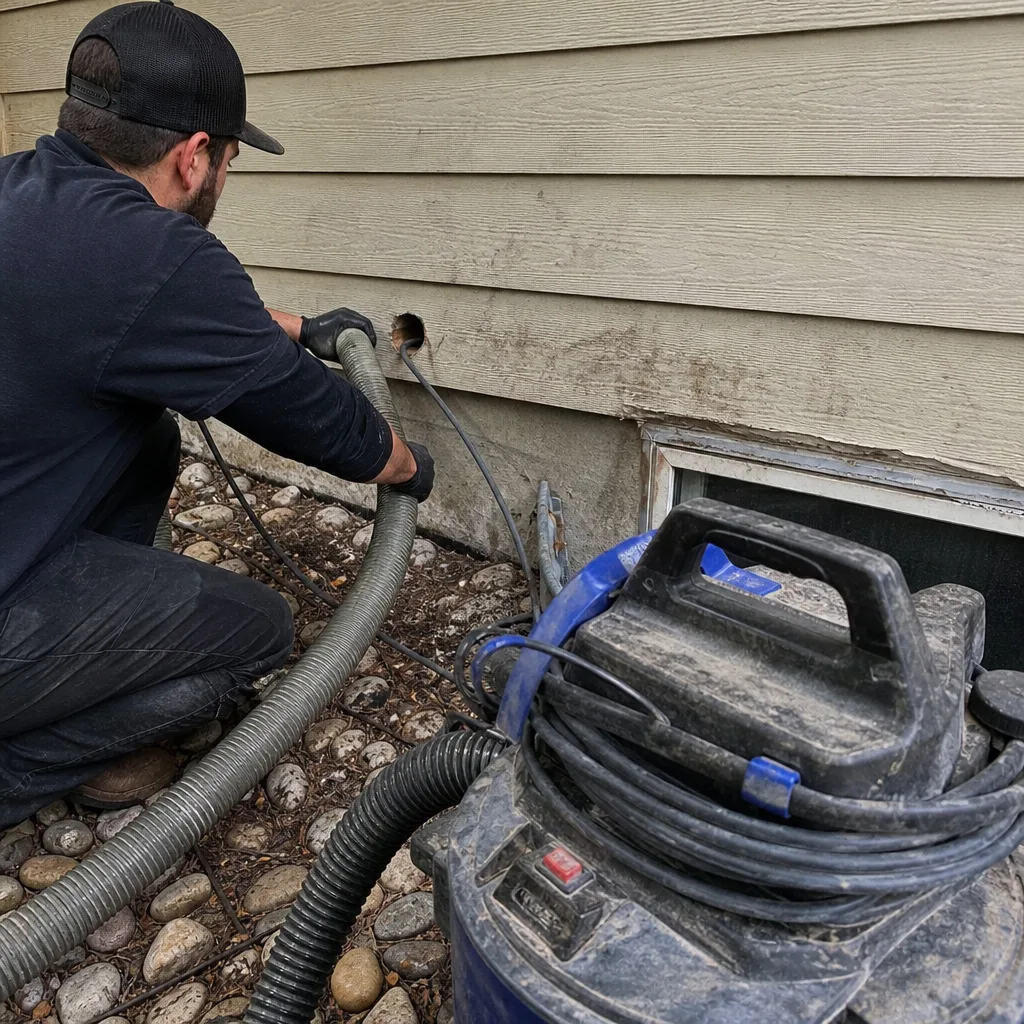 Before
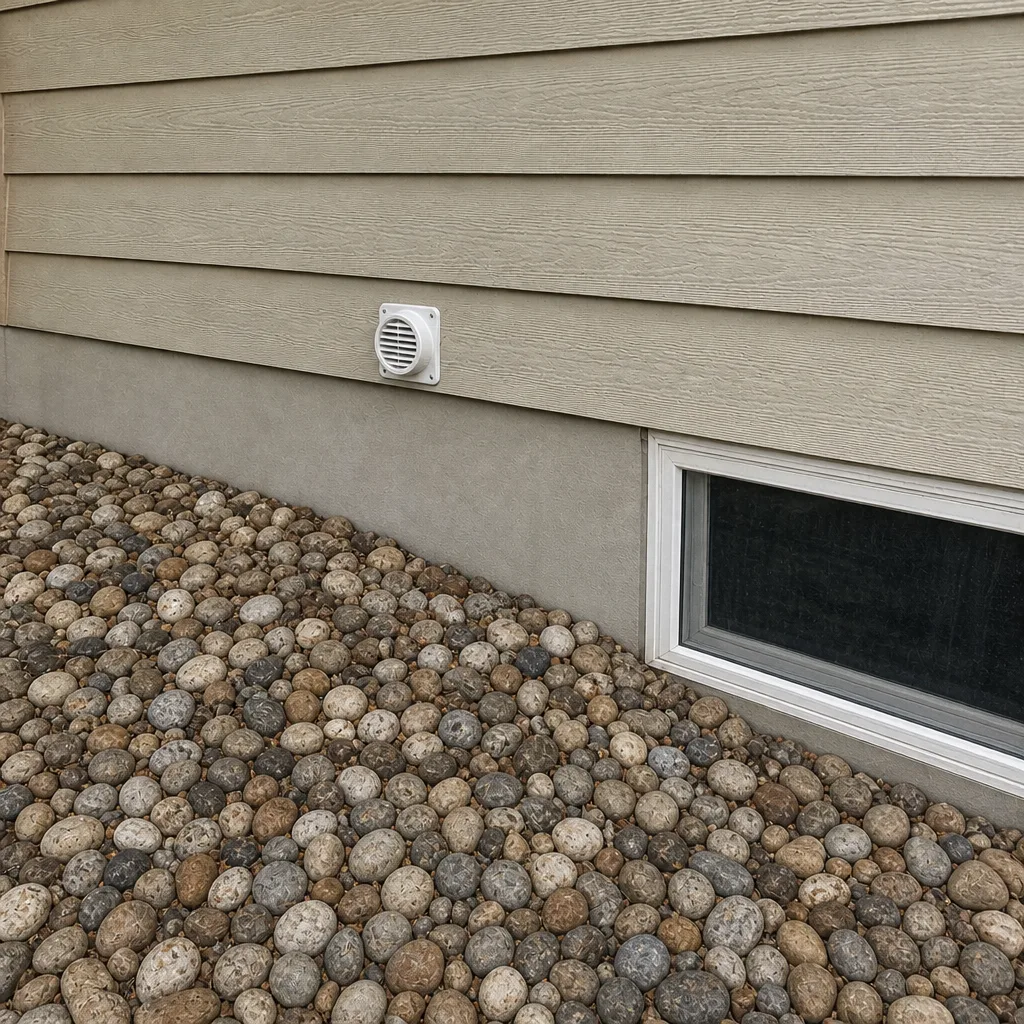 After
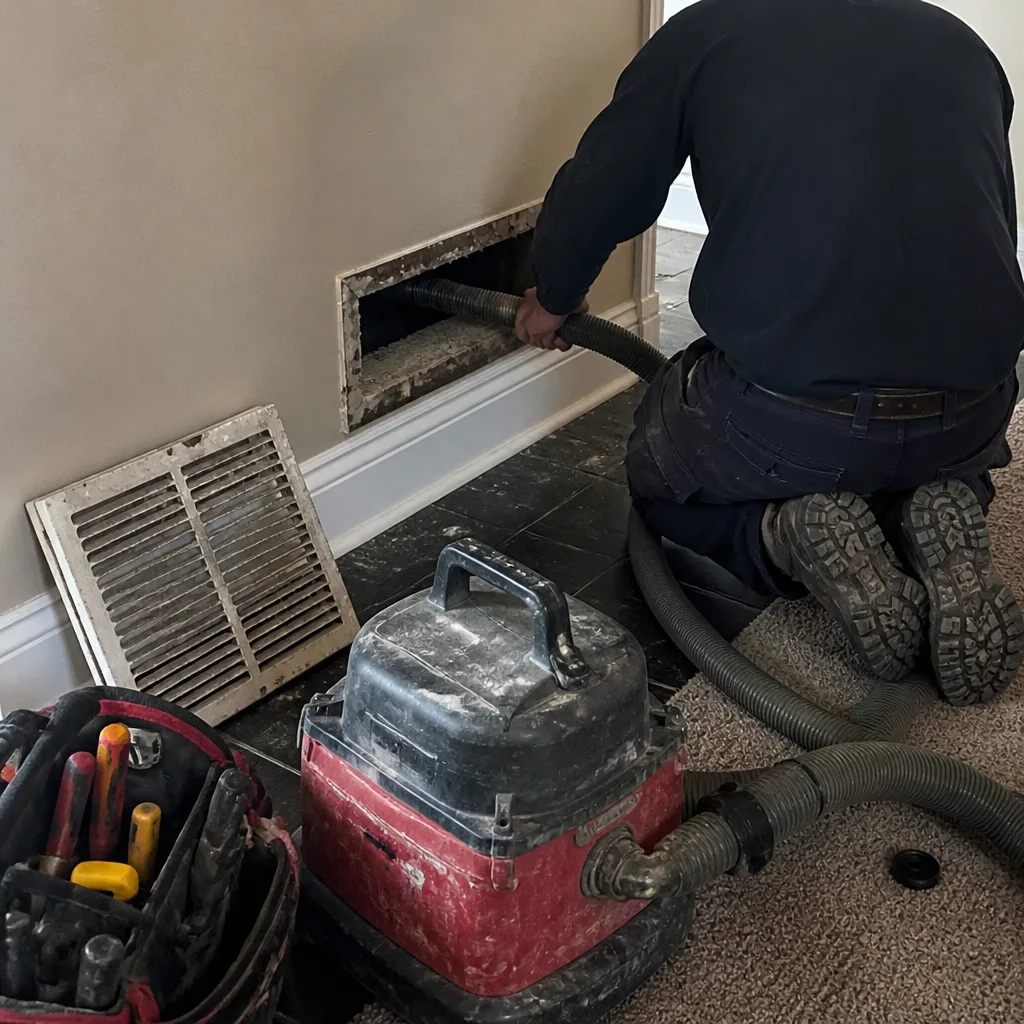 Before
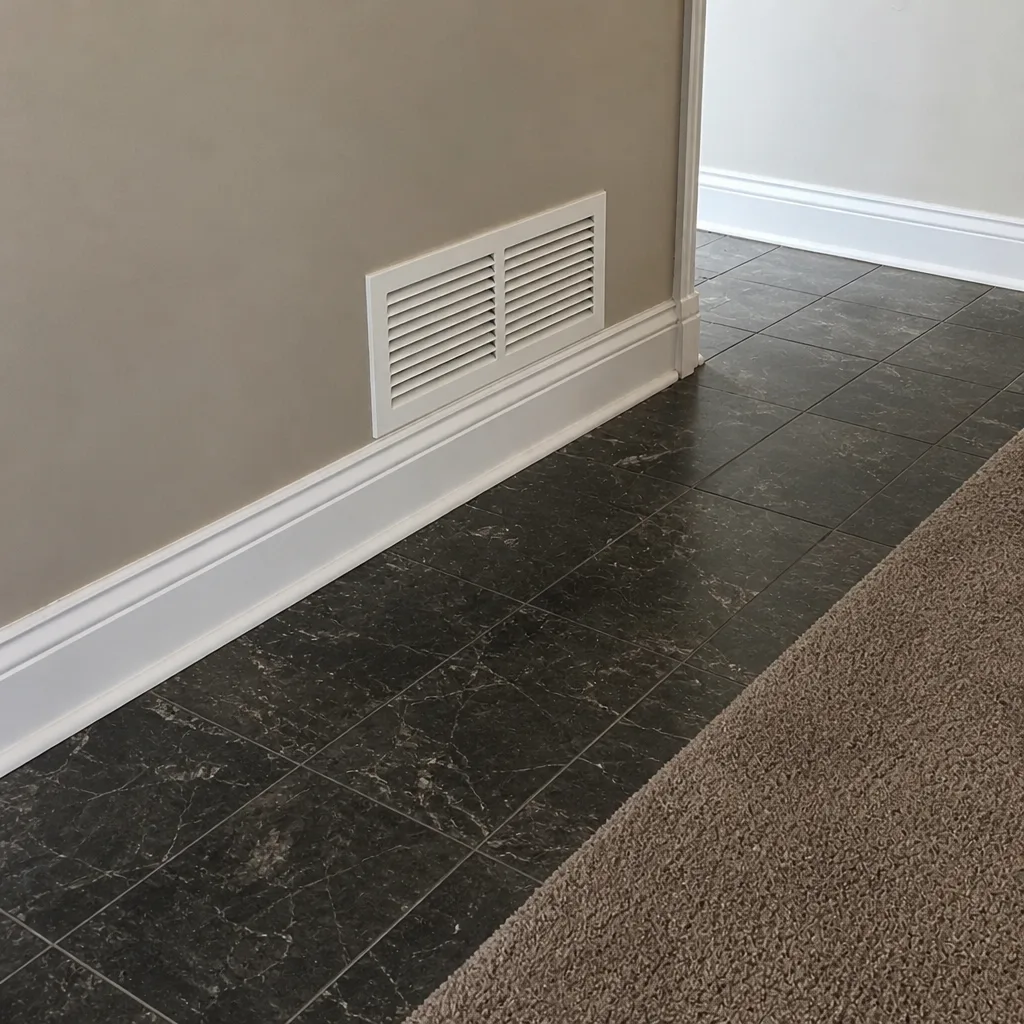 After
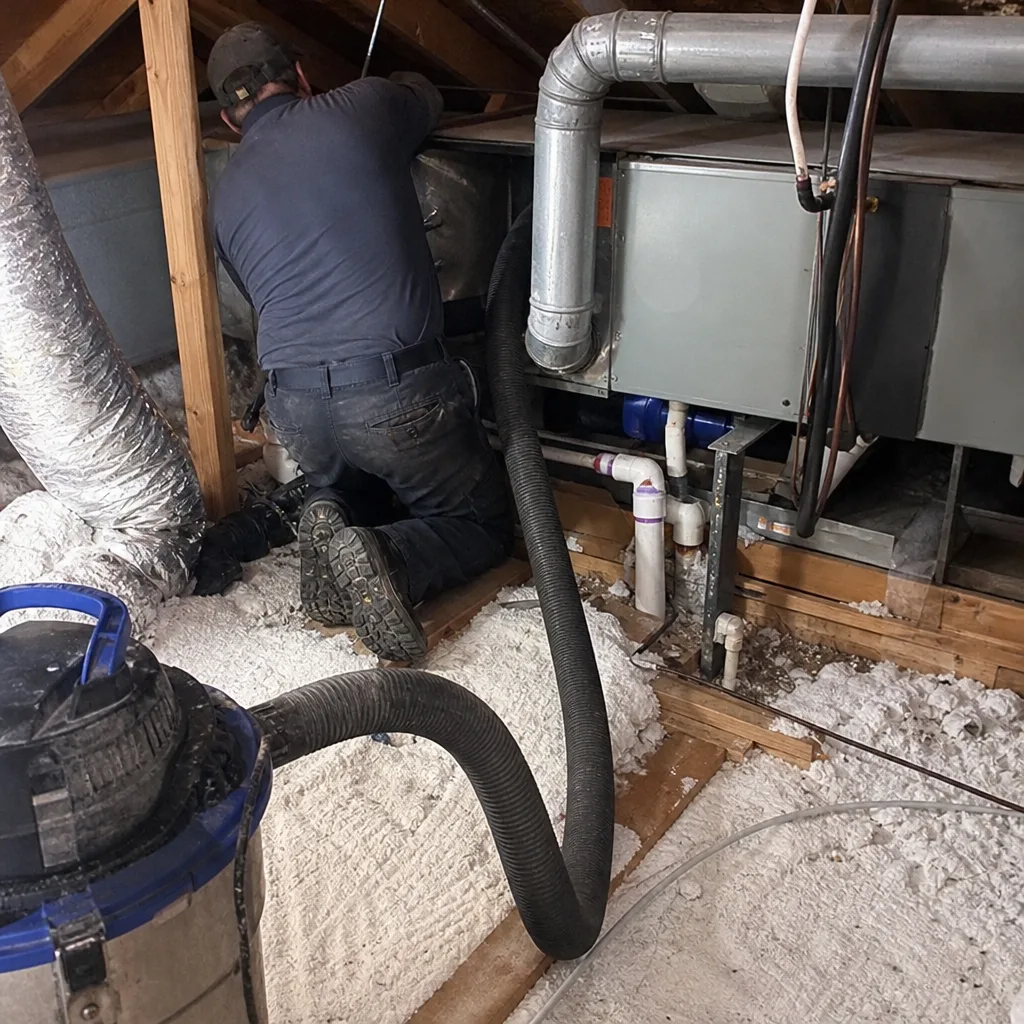 Before
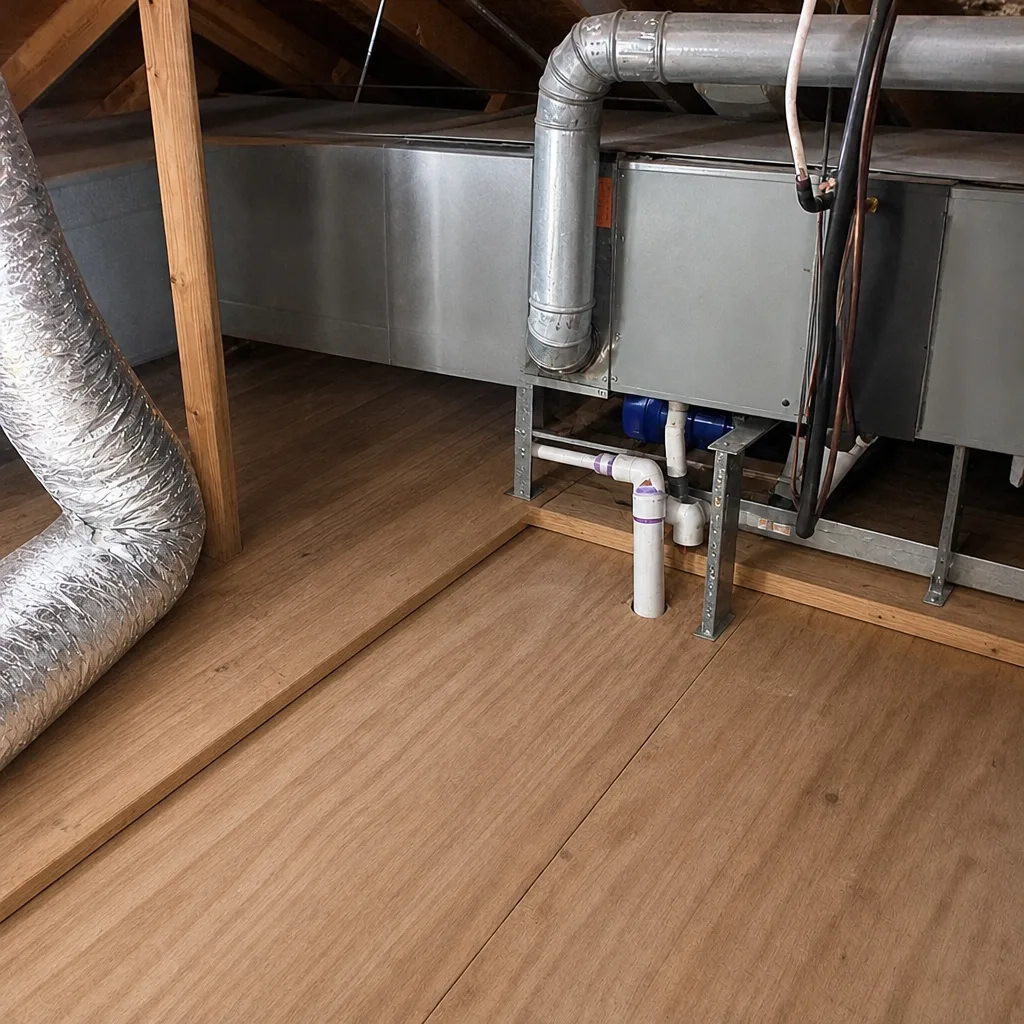 After
When to Call a Professional
A duct cleaning is worth scheduling when you’ve just moved into a home and don’t know its service history, after a renovation that kicked up drywall dust, when you notice musty odors coming from registers, or when a home has allergy sufferers and no cleaning on record. It’s also worth calling if you’ve never had the dryer vent cleaned and it’s been several years. Air Duct Cleaning Murphy Creek offers free estimates in Murphy Creek – call (855) 658-5202. The local pro we connect you with is licensed and insured as their state requires, gives you one flat price per system agreed before work starts, and shows you before-and-after photos of your own ducts. Call (855) 658-5202. We answer 24/7. Fast dispatch from 7am to 7pm, Sunday through Friday.
Frequently Asked Questions
Most full-system cleanings in Murphy Creek fall between $450 and $850 in 2026, depending on square footage, the number of supply and return runs, and whether you have a single-zone or two-zone system. Two-zone layouts typically price 15-25% higher than a single-zone home of similar size. Call (855) 658-5202 for an exact quote – estimates are free.
Because they’re usually not the same service, and often not even the same equipment category. A sub-$300 whole-house quote is typically a per-vent teaser, a portable-vacuum job, or a scope that skips the trunk line and the sealing inspection. The written estimate with a full scope is what tells the difference, and a company that won’t put the scope in writing is one to skip. Call (855) 658-5202 for a written one.
Ask for before-and-after photos of your own ducts, not stock photos, and for a visual walkthrough of what was removed. A legitimate cleaning leaves clear photo evidence, and any company that can’t provide it hasn’t given you proof of the work. We provide photos on every job. Call (855) 658-5202 for a free estimate.
Every three to five years is typical for a well-maintained system, and more often if you have pets, allergy concerns, recent renovations, or persistent dust. There’s no universal rule, so the answer really depends on your home. Call (855) 658-5202 for an inspection before you schedule anything.
Sanitizing is worth it when there’s a reason – musty odors, visible microbial growth, a recent water event, or household allergy concerns. It isn’t worth it as a default add-on to every cleaning. Ask the technician what problem it’s solving in your home. Call (855) 658-5202 and we’ll be honest about whether it’s needed.
Yes. Dryer vent cleaning is a standalone safety service, priced separately, because it’s a different system with its own fire-risk concern. It’s fine to schedule both on one visit if you want. Call (855) 658-5202 and we’ll book both together.
Roughly how many registers you have, the square footage of your home, whether it’s a single-story or two-story layout, and any specific concerns (odors, allergies, recent renovation). That’s enough for us to give you a real starting estimate. Call (855) 658-5202 – we answer 24/7, and dispatch runs 7am to 7pm, Sunday through Friday.
The Bottom Line
If you take one thing from this guide, take this: price per system, in writing, from an inspect-then-quote company that runs professional-grade equipment, and you’ll avoid nearly every pricing problem in this trade. The $149 and the $650 whole-house quotes aren’t competitors – they’re different services. In Murphy Creek, two-zone homes and newer builds with long runs push toward the middle and upper end of the range, and the add-ons worth paying for are the ones that solve a documented problem in your specific home. Duct sealing is the one most homeowners skip and most need. Dryer vent cleaning is the one that’s a safety matter, not an air-quality upgrade.
Air Duct Cleaning Murphy Creek offers free estimates in Murphy Creek, one flat price per system agreed before work starts, and before-and-after photos of your own ducts on every job. If your estimate is overdue, call (855) 658-5202 – we answer 24/7, with fast dispatch from 7am to 7pm, Sunday through Friday. Tell us the square footage and register count and we’ll get you a real number, not a teaser.
Written by the team at Air Duct Cleaning Murphy Creek.