
Last updated November 24, 2026
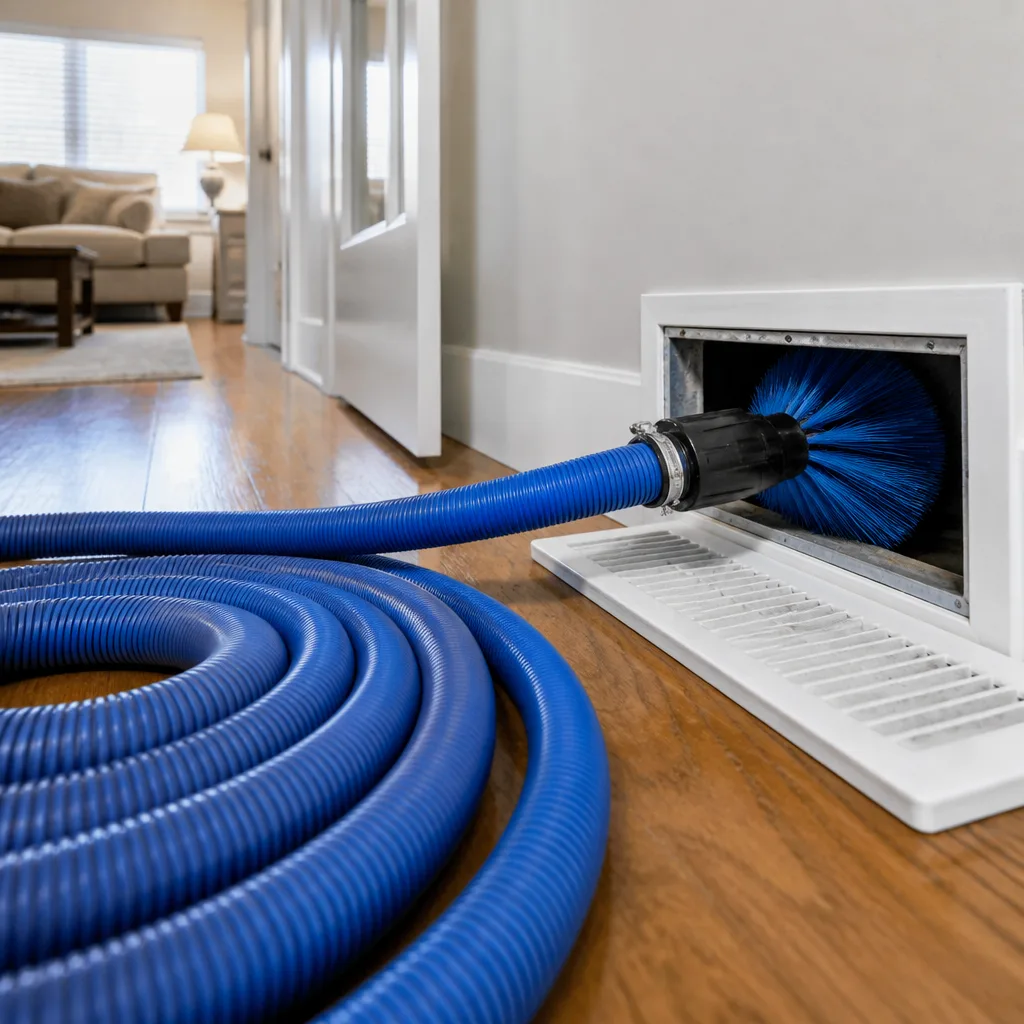 Whole-home duct cleaning
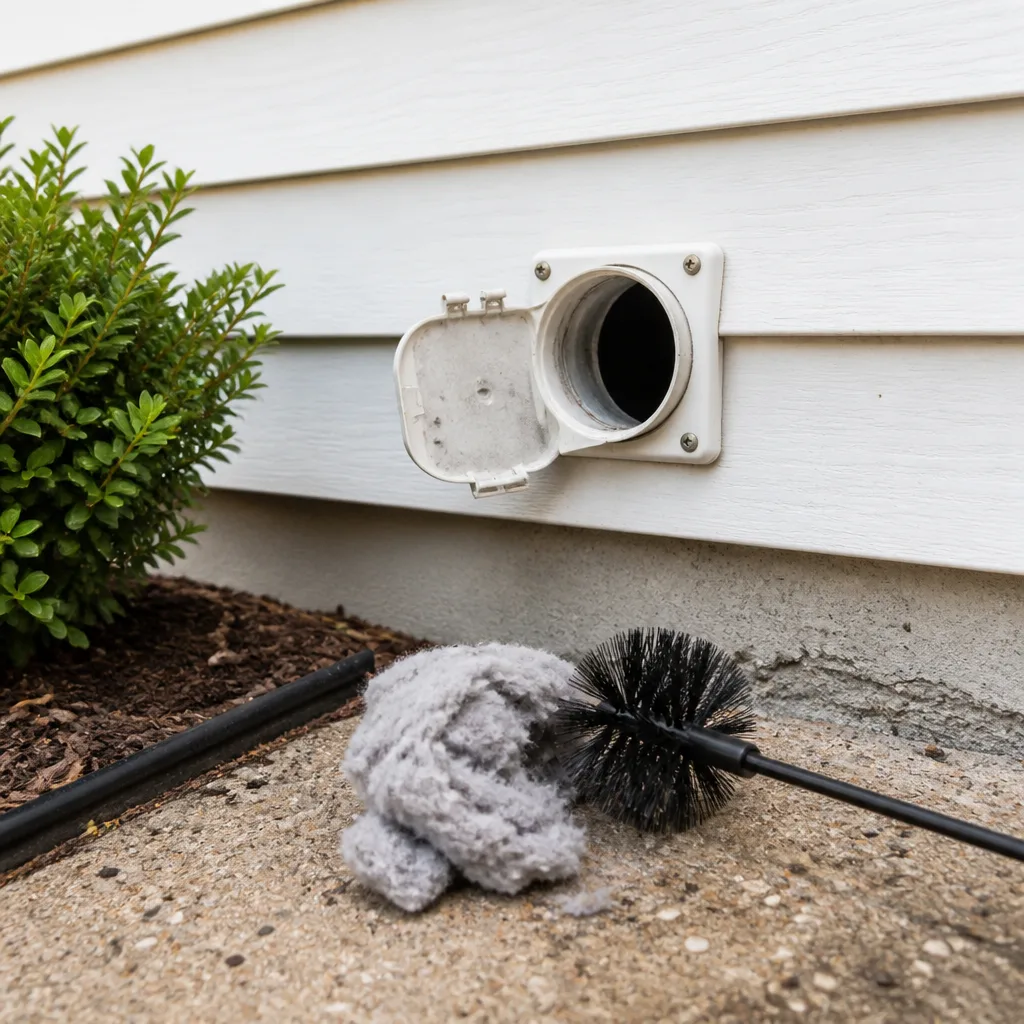 Dryer vent cleaning
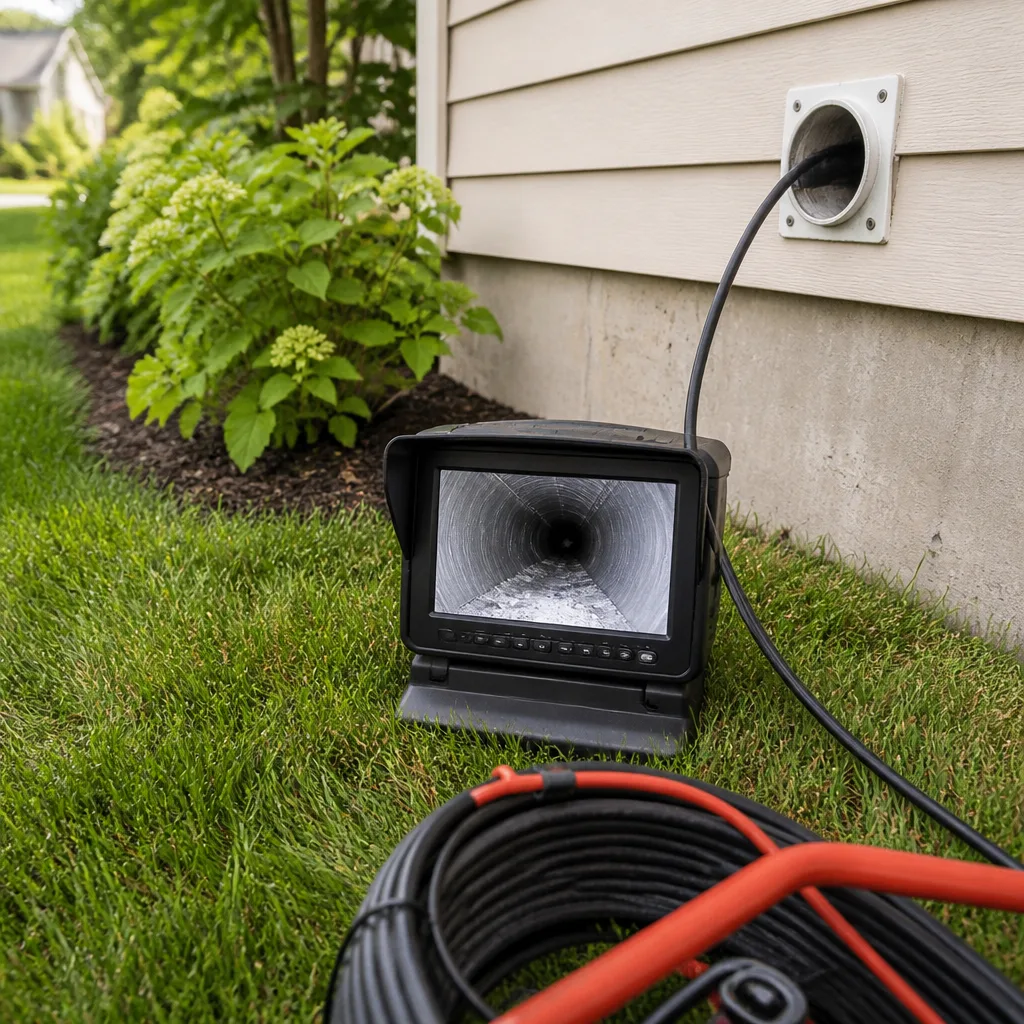 Camera inspection
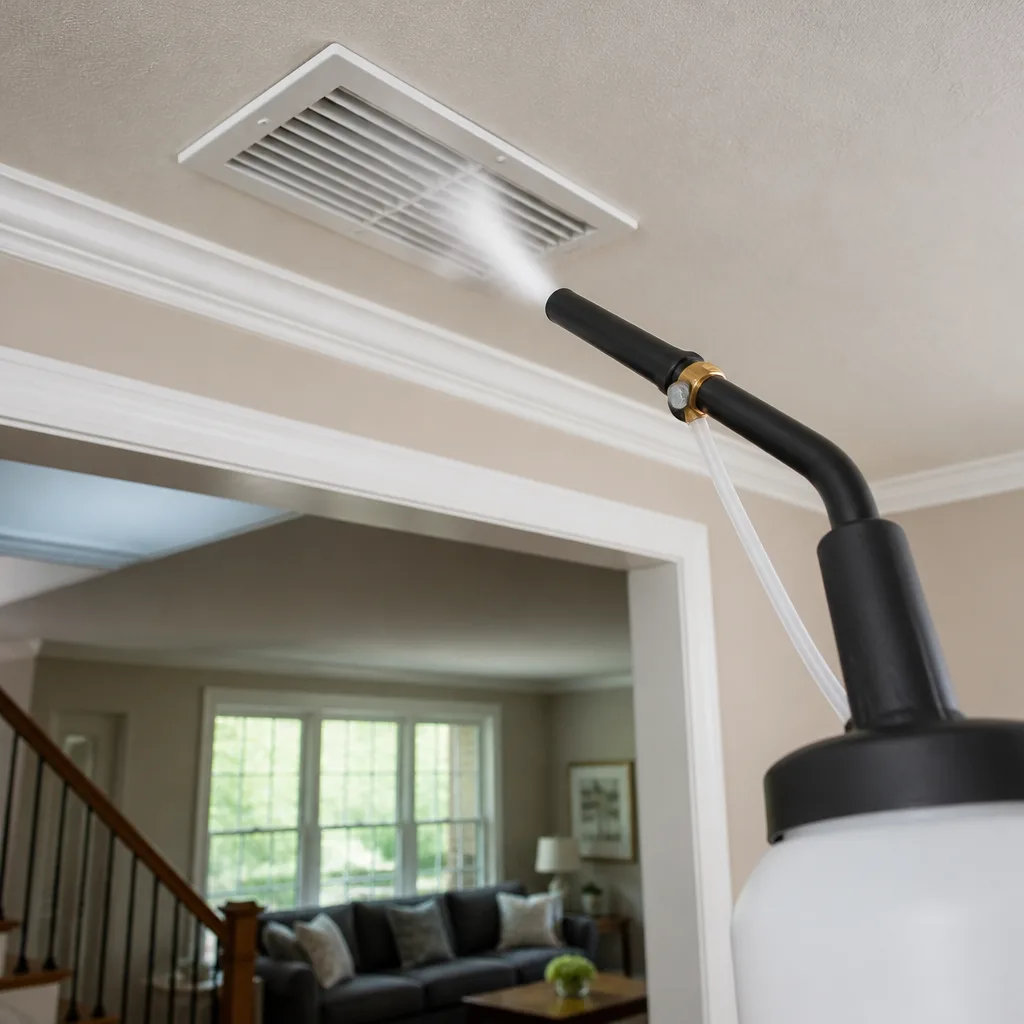 Sanitizing & deodorizing
Whole-system duct and dryer vent check with before-and-after photos - you see exactly what came out of your vents
That "$99 whole-house special" is a bait ad - the real number appears once they are in your hallway, or the "clean" is a shop-vac at the register. We photograph the inside of your ducts before and after instead.
Air Duct Cleaning Emergency Preparedness Guide for Murphy Creek Homes
The counterintuitive part of duct emergency prep is this: the day of the emergency is too late to do anything about your ducts. During Colorado’s severe wildfire smoke seasons, we’ve watched homes with compromised or dirty duct systems pull outdoor smoke particulate indoors and keep recirculating it for days after the air outside cleared. The house didn’t create the smoke. The duct system kept it. That failure is preventable, and it’s cheap to prevent when the work happens before the event, not after. This guide covers what Murphy Creek homeowners need to know about pre-season duct preparation, smoke-event protocol, flood and moisture emergencies, shutdown procedures, and the documentation an insurer will ask for. Read it once now, keep it handy later.
Quick Answer
Emergency duct preparedness in Murphy Creek means three things done before a crisis: sealing your return air leaks and air handler cabinet so smoke and moisture can’t be drawn in, upgrading to a filter your system can actually handle, and knowing how to shut the system down safely. After a smoke or flood event, a professional assessment determines whether ducts need mechanical cleaning, sanitizing, or repair. Preparation costs far less than post-event remediation.
Styles & brands we work with
- Whole-home duct cleaning
- Dryer vent cleaning
- Camera inspection
- Sanitizing & deodorizing
Table of Contents
- Why Murphy Creek Ducts Face Specific Emergency Risks
- Pre-Wildfire-Season Duct Preparation
- Post-Smoke-Event Protocol: Run or Shut Down?
- Flood and Moisture Emergencies: The Duct Timeline
- HVAC Shutdown Procedures to Know Before an Emergency
- Documentation for Insurance Claims
- What a Pre-Season Inspection Actually Covers
- The Murphy Creek Duct Preparedness Checklist
Why Murphy Creek Ducts Face Specific Emergency Risks
Murphy Creek sits on the eastern edge of the Denver metro in Aurora, on open ground where the wind moves fast and the prairie grass dries out early. That geography matters for ducts. When Front Range wildfires burn in late summer and fall, the smoke doesn’t politely stay in the foothills. It settles over the plains, and homes here take it in through every unsealed joint, return register, and attic gap. Murphy Creek wasn’t designed around smoke seasons, but the homes here have to live with them.
The second risk is water. Murphy Creek’s newer construction often includes basements and crawlspaces, and heavy spring rain or a failed sump can put water where the ductwork runs. Flexible duct sitting in a damp crawlspace absorbs moisture and becomes a growth surface for mold and biological contaminants within days. That’s not a dust problem. That’s an air-quality emergency.
Both scenarios share a pattern: the duct system becomes the delivery mechanism for whatever’s outside or underneath the house. Sealed, clean ducts limit the damage. Leaky, dirty ducts multiply it.
As a full-system indoor-air specialist covering air duct cleaning, dryer vent service, HVAC cleaning, duct repair and sealing, and air quality sanitizing, we see these risks as one connected system rather than separate problems.
The Two Scenarios This Guide Addresses
- Wildfire smoke events: outdoor particulate pulled into the home and recirculated long after outdoor air improves.
- Post-flood restoration: moisture intrusion through crawlspace or basement that turns ductwork into a mold and contaminant reservoir.
Everything that follows is designed to help Murphy Creek homeowners get ahead of both.
Pre-Wildfire-Season Duct Preparation
Pre-season preparation is the highest-value work you can do, and it’s the part most homeowners skip because nothing feels broken yet. Smoke season doesn’t announce itself. But the work below, done in late spring or early summer, changes how your house behaves when the air outside turns bad.
1. Seal the Return Leaks
Your return ductwork runs under negative pressure. Any gap in the return pulls air in from wherever that gap sits: the attic, the crawlspace, or a garage wall. During a smoke event, every one of those unsealed joints becomes a smoke inlet. Sealing return leaks is the single most effective pre-season step. This is the duct repair and sealing side of the work, and it addresses the cause rather than cleaning around it.
2. Verify the Air Handler Cabinet Is Sealed
The air handler cabinet is often the leakiest connection in the whole system. Framing gaps, missing gaskets, and poorly seated panels let unfiltered air bypass the filter entirely. That means the filter you bought to protect your indoor air isn’t seeing a good portion of the air entering the system. A careful inspection of the cabinet seams and panel fit is part of any serious pre-season check.
3. Upgrade the Filter, but Only to What the System Supports
Higher-MERV filters capture more smoke particulate, but a filter the blower can’t move air through creates its own problem: reduced airflow and extra strain. The right call depends on your equipment. Working with Honeywell and Aprilaire filtration systems means the filter matches the hardware instead of fighting it.
4. Clean Before Smoke Season, Not After
Clean ducts recirculate less debris. Dirty ducts give smoke particulate a surface to cling to and disturb. Getting the mechanical cleaning done before the season means the system starts from a clean baseline.
Post-Smoke-Event Protocol: Run or Shut Down?
Here’s the question that comes up during every severe smoke event: should you keep running the HVAC or turn it off? The short answer is conditional, and getting it right protects your indoor air and your equipment.
When to Run the System
Run the system when the filter is fresh and correctly rated, the cabinet and returns are sealed, and you’re keeping windows and doors closed. Under those conditions, a running system with good filtration can reduce indoor particulate by recirculating air through the filter. The filter does the work.
When to Shut It Down
Shut the system down when the filter is overloaded, the cabinet is leaking, or you can smell smoke indoors with the system running. A system pulling smoke through unsealed returns makes indoor air worse, not better. Turn it off and wait for outdoor conditions to improve or for a professional assessment.
After the Smoke Clears: The Assessment
Once outdoor air quality recovers, a professional assessment should cover:
- Visible particulate accumulation on registers, boots, and duct interiors
- Filter loading and whether it needs replacement
- Condition of seals at returns and cabinet
- Presence of odors suggesting particulate has settled into duct surfaces
- Whether mechanical cleaning, sanitizing, or both is warranted
Smoke particulate that settles into ductwork doesn’t leave on its own. Sanitizing and abatement services using Abatement Technologies approaches address the biological and particulate load that mechanical cleaning alone may leave behind.
Flood and Moisture Emergencies: The Duct Timeline
Water and ductwork don’t mix, and the clock starts the moment water reaches the duct run. Understanding the timeline helps you act in the right order.
Hours 0 – 24: Stop the Source and Document
Stop the water source if you can do so safely. Don’t run the HVAC system while ductwork is wet or while standing water is near the air handler. Photograph everything: the water line, the affected duct runs, the crawlspace or basement conditions. This documentation matters later.
Hours 24 – 72: Drying and Assessment
Moisture in flexible duct or duct insulation creates conditions for mold and biological growth quickly. Structural drying comes first. A duct assessment follows to determine whether duct sections need cleaning, sanitizing, or replacement. Don’t assume that a dry-looking duct is a dry duct; insulation holds moisture long after the surface feels dry.
Days 3 – 14: Remediation
Once the structure is dry, mechanical cleaning removes debris and settled contaminants. Sanitizing addresses biological contaminants including mold spores, allergens, and bacteria. If duct sections were saturated and can’t be dried effectively, repair or replacement of those sections may be the right answer.
If your Murphy Creek home has a crawlspace or basement where the ductwork runs, this timeline is one you may need. Having it in mind before the water arrives is the whole point of preparation.
HVAC Shutdown Procedures to Know Before an Emergency
Knowing how to shut your system down safely is emergency prep 101, and it costs nothing. The key rule: don’t run a system that’s pulling contaminated air through it.
- Locate the thermostat and the breaker. Find both now, before you need them. The thermostat turns the system off; the breaker cuts power entirely if the situation calls for it.
- Turn the system off at the thermostat if you smell smoke or see water. Don’t wait to see whether it clears on its own.
- Cut power at the breaker if water is near the air handler or electrical components. Water plus electricity is a hazard. If you’re not certain how to do this safely, call a professional.
- Close windows and doors during a smoke event to reduce infiltration. An open window during heavy smoke defeats the filter’s work.
- Don’t restart the system after a water event until it’s been assessed. Restarting a wet system can spread moisture and contaminants through the whole duct run.
This is not a moment for DIY experimentation. Electrical components and a wet system are genuinely dangerous; when in doubt, keep the system off and get a trained professional to assess it.
Documentation for Insurance Claims
When a smoke or flood event damages your duct system, the insurance claim lives or dies on documentation. A professional assessment report is what makes the difference between a claim that’s supported and one that gets questioned.
What a Duct Assessment Report Should Contain
- Pre-event condition: what the system looked like before the event, which is why pre-season documentation pays off
- Event description and timeline: when the smoke or water exposure occurred and how long it lasted
- Photographic evidence: before-and-after photos of the affected duct runs, registers, and air handler
- Assessment findings: particulate accumulation, moisture readings, visible biological growth, seal failures
- Recommended remediation: cleaning, sanitizing, repair, or replacement, with the reasoning for each
- Scope and cost estimate: the work needed, priced per job by written estimate
An insurer will want to see that the damage is real, that the remediation is necessary, and that the cost is reasonable. A report that covers all three is stronger than a single invoice. If you’ve had a professional assessment done before the event, you have a baseline to compare against, which strengthens the claim considerably.
What a Pre-Season Inspection Actually Covers
Pre-season inspection isn’t a sales visit. It’s a specific set of checks that tell you where your system is vulnerable before an emergency tests it. Here’s what a thorough inspection should include.
- Return-side leak check: joints, boots, and connections tested for gaps that pull in outside or crawlspace air
- Air handler cabinet seal: panel fit, gaskets, and framing gaps that let unfiltered air bypass the filter
- Filter rating and fit: whether your filter matches the blower’s capacity and the housing’s dimensions
- Duct interior condition: visible debris, moisture, or biological growth in accessible runs
- Flexible duct condition: sagging, kinks, or disconnected sections in crawlspaces and attics
- Whole-system view: whether filtration, humidity control, and duct integrity are working together
Some of these checks overlap with HVAC cleaning, and that’s not a coincidence. A system that’s clean, sealed, and properly filtered is the same system that handles an emergency better. Pre-season inspection is where that gets verified.
For Murphy Creek homes near the open prairie, where the wind drives particulate hard, the leak check and cabinet seal are the two checks we’d never skip.
The Murphy Creek Duct Preparedness Checklist
Everything in this guide condensed into a checklist you can act on. Do this once a year, ideally before smoke season, and revisit it after any water event.
- Before the season: inspect and seal return leaks
- Before the season: verify air handler cabinet is properly sealed
- Before the season: confirm filter rating and fit against your equipment
- Before the season: schedule a mechanical cleaning to start from a clean baseline
- During a smoke event: keep windows closed, run the system only if filtered and sealed, shut down if you smell smoke indoors
- During a water event: stop the source, document everything, don’t run the system, get an assessment
- Know your shutoff: locate the thermostat and breaker now
- After any event: get a professional assessment before you restart the system
- Any time: keep your dryer vent clean; it’s a fire-risk item separate from air quality but part of the same ventilation system
One contractor for your entire ventilation system makes this checklist easier to execute. That’s the five-service scope covering air duct cleaning, dryer vent cleaning, HVAC cleaning, duct repair and sealing, and air quality sanitizing.
Common Mistakes to Avoid
- Waiting until the smoke arrives to seal the returns. During an event, the sealing window is closed; the system is already pulling smoke. Prep first, then you’re ready.
- Buying the highest-MERV filter without checking the blower. A filter the system can’t push air through strains the equipment and reduces airflow. Match the filter to the hardware.
- Running the system during a smoke event with a dirty cabinet. Unsealed cabinet gaps route unfiltered smoke straight into the airstream. Seal it before you rely on the filter.
- Treating a wet duct as dry because the surface feels dry. Insulation holds moisture. Assessment comes before restart.
- Skipping documentation after a smoke event. A claim needs evidence, and evidence is collected in the days after the event, not months later.
- Assuming cleaning alone fixes air loss. Cleaning without sealing leaves the same leaks that let contaminants back in. Repair and sealing close the loop.
- Postponing dryer vent service because it’s not an air-quality item. It’s a fire-risk item, and it belongs in the same preparedness plan for Murphy Creek homes.
See the difference
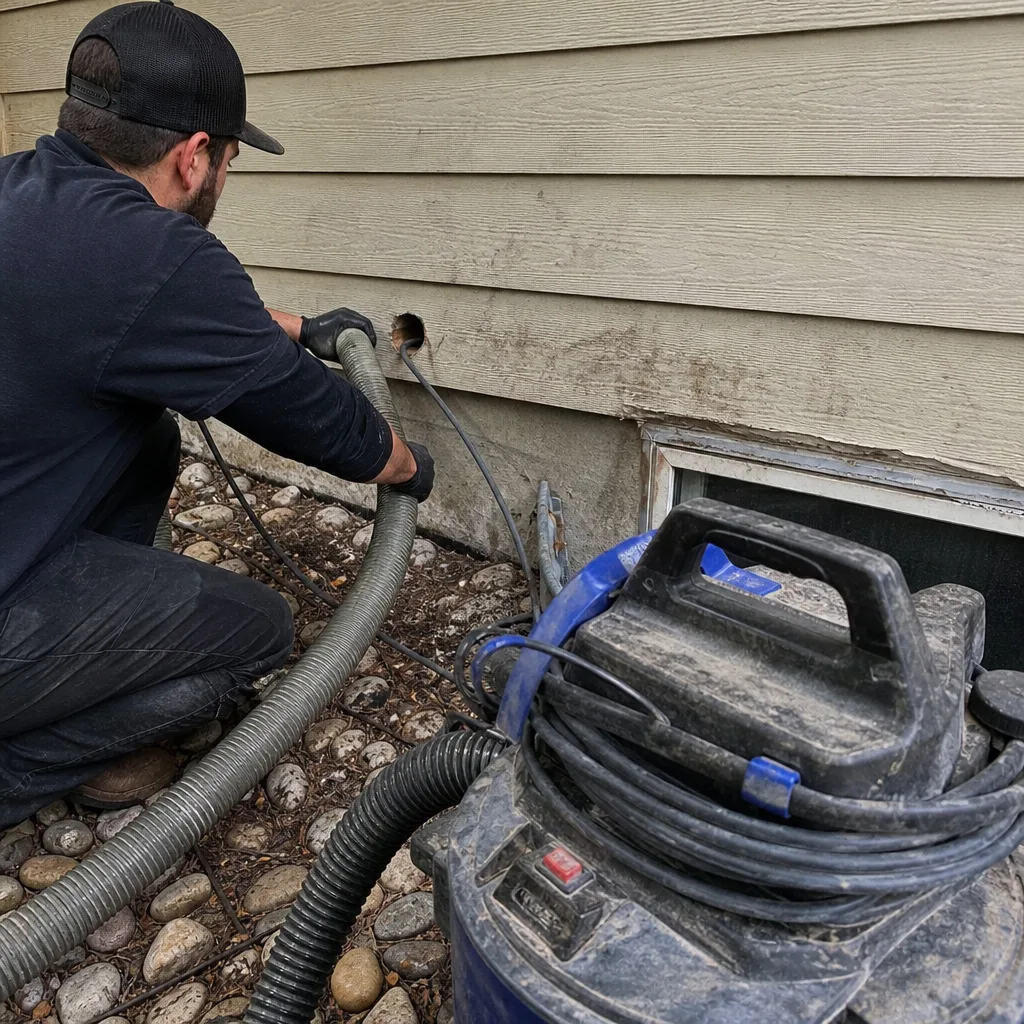 Before
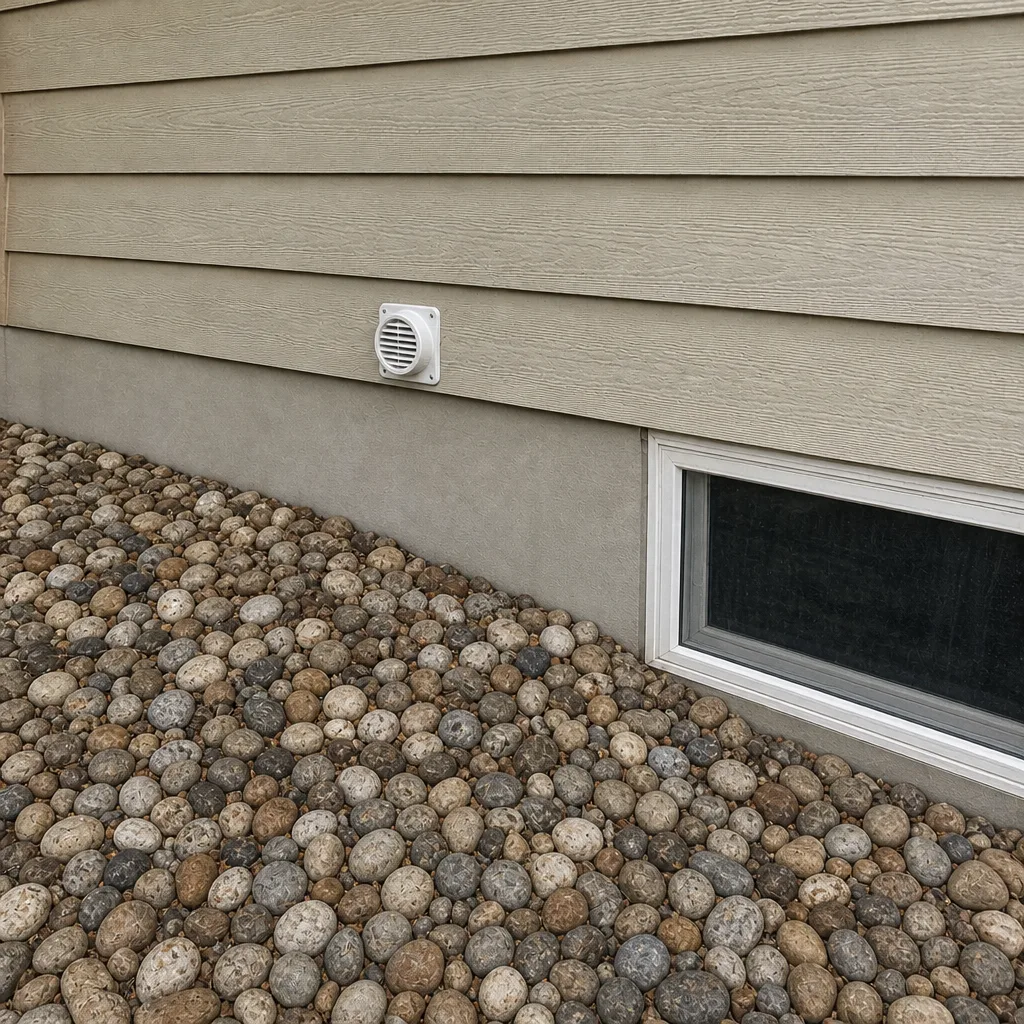 After
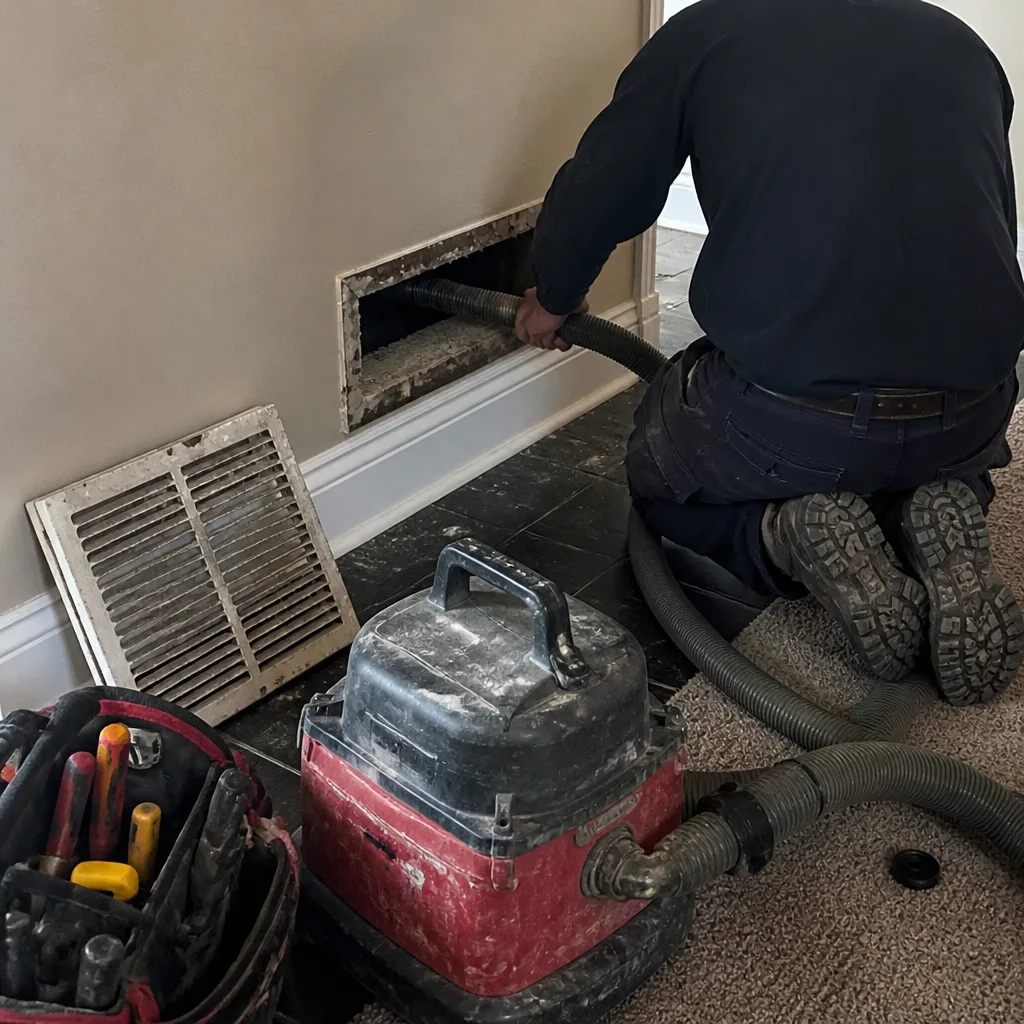 Before
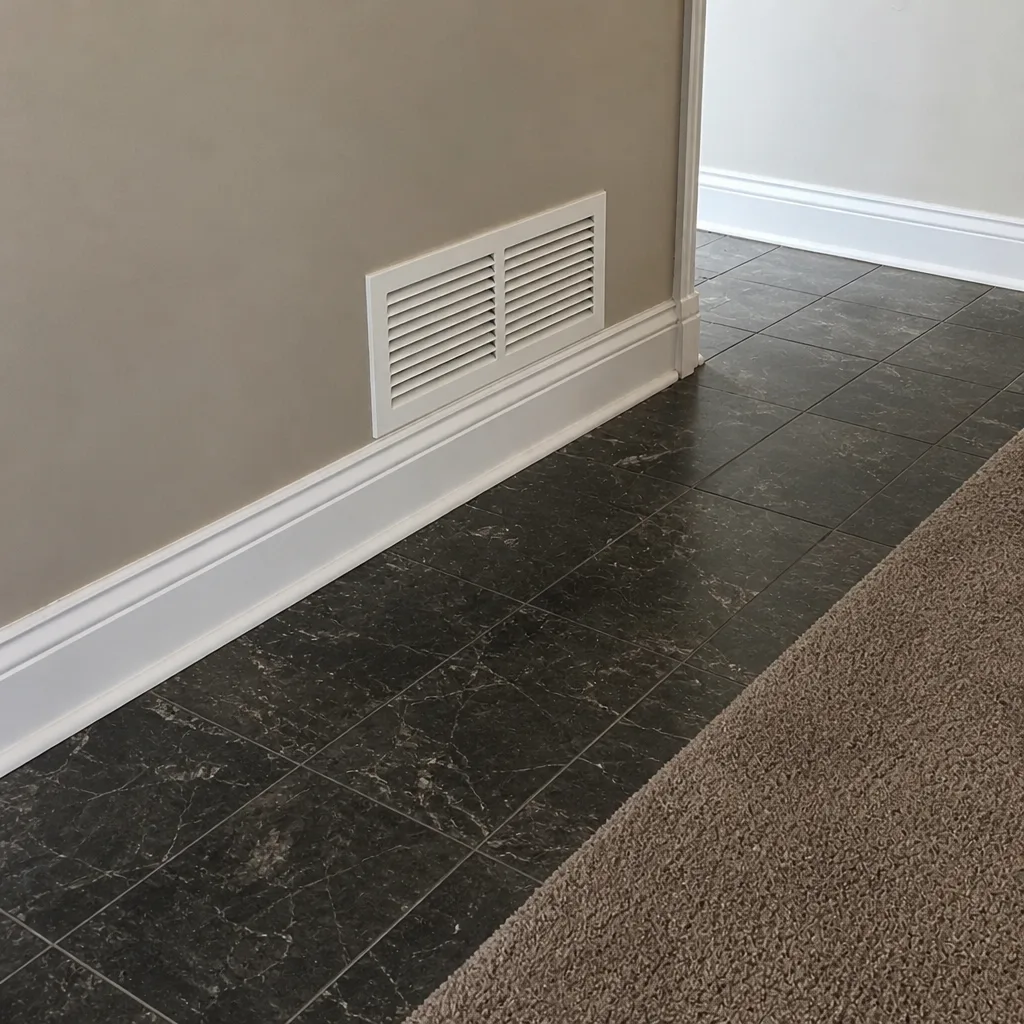 After
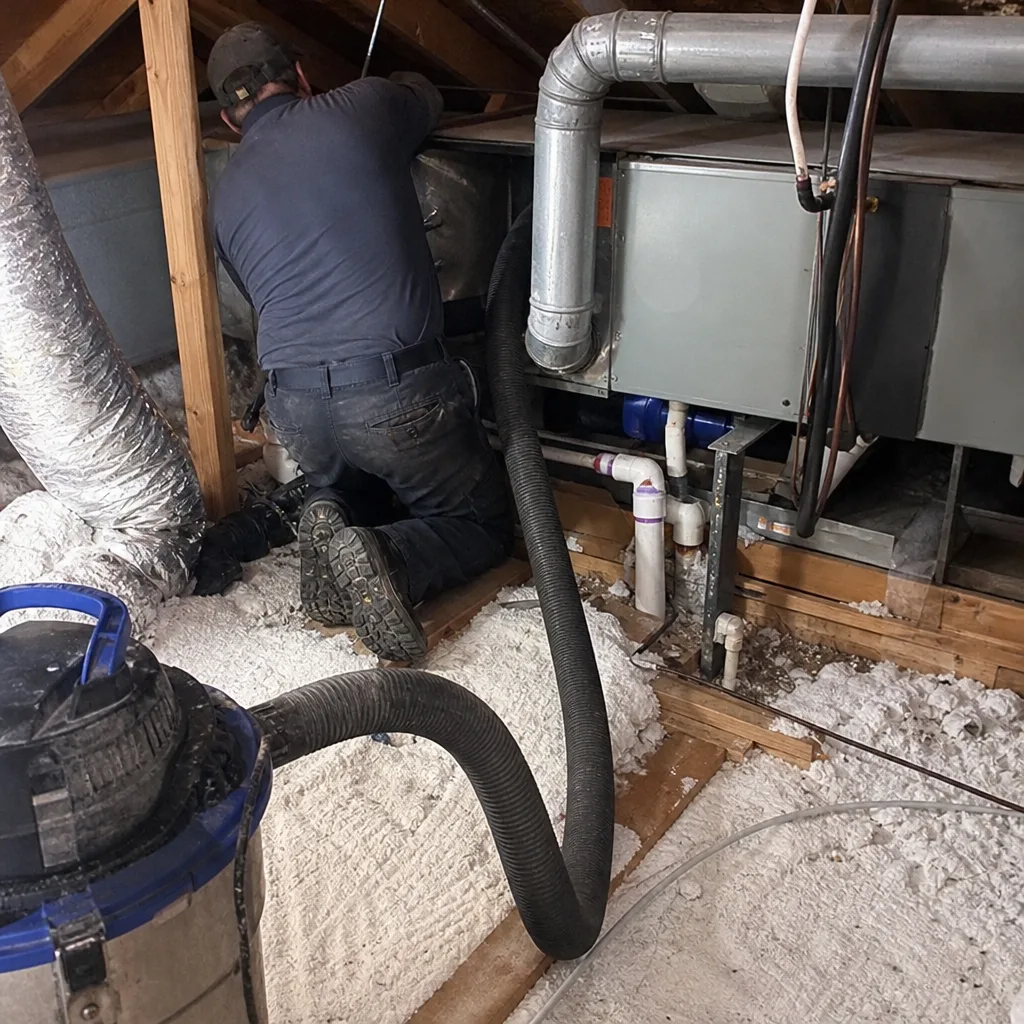 Before
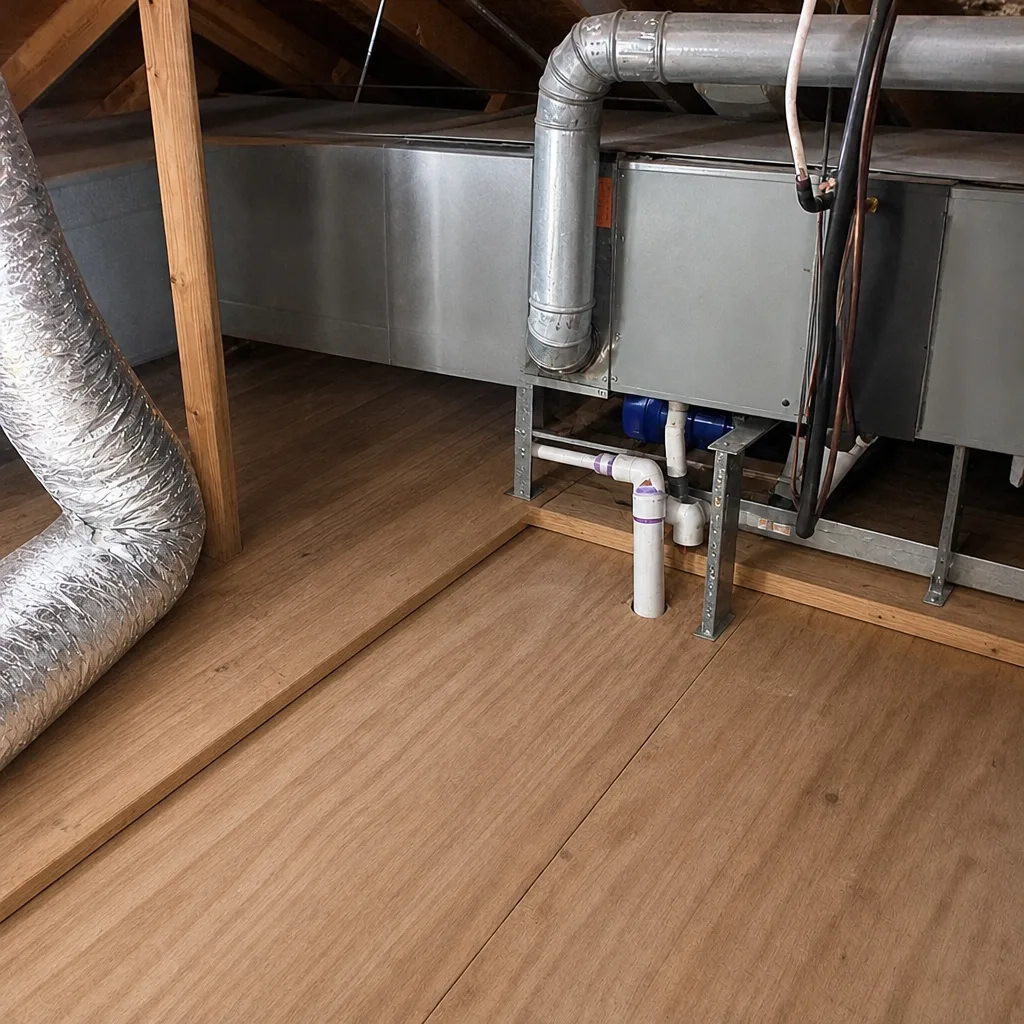 After
When to Call a Professional
Call a professional when you smell smoke indoors after an event and it doesn’t clear with filtration, when water has reached any part of the duct run, when you see visible debris or growth inside accessible ducts, or when your insurance claim needs a documented assessment. Also call when you’re not sure whether your system is sealed well enough to protect you during smoke season; a pre-season inspection answers that question. We’re a full-system indoor-air specialist, which means the assessment, cleaning, sealing, and sanitizing all come from one accountable source. Our technicians have up to 8 years of experience with Rotobrush and Nikro equipment, and the local pro is licensed and insured as their state requires. Air Duct Cleaning Murphy Creek offers free estimates in Murphy Creek – call (855) 658-5202. We answer 24/7. Fast dispatch from 7am to 7pm, Sunday through Friday.
Frequently Asked Questions
Run it only if your filter is fresh and correctly rated, your cabinet and returns are sealed, and your windows are closed. If you can smell smoke indoors with the system running, shut it down; an unsealed system pulls smoke in rather than filtering it. Call (855) 658-5202 for a pre-season inspection so you know which case you’re in before the event.
Within the first 24 to 72 hours. Moisture in flexible duct and insulation creates conditions for mold and biological growth quickly. Stop the water, document the damage, keep the system off, and get a professional assessment as soon as the structure can be dried. Call (855) 658-5202 for an assessment.
Pre-event condition photos, event description and timeline, before-and-after photos of the affected runs, assessment findings including moisture and particulate, recommended remediation with reasoning, and a per-job cost estimate. A report covering all of these is stronger than a single invoice.
Sealing the return leaks and air handler cabinet reduces the pathways smoke uses to enter your system. It doesn’t make a home airtight, but it closes the gaps that pull outside air in under negative pressure, which is the biggest smoke infiltration route in most duct systems.
Once a year, ideally before smoke season in late spring or early summer. Homes with crawlspaces, basements, or older flexible duct should also get a check after any water event. Annual inspection catches leaks and filter issues while they’re cheap to fix.
Mechanical cleaning removes settled particulate; sanitizing addresses biological contaminants and odors that cleaning alone may leave behind. After a severe smoke event, both are often warranted. The assessment determines which services your system actually needs.
The Bottom Line
Duct preparedness in Murphy Creek comes down to doing three things before an emergency: sealing the pathways that let smoke and moisture in, matching your filter to your equipment, and knowing how to shut the system down safely. After a smoke or flood event, a professional assessment determines what cleaning, sanitizing, or repair is actually needed, and a documented report supports any insurance claim. Clean ducts are only half the job; sealing and sanitizing close the loop. Preparation costs less than remediation and works better. Air Duct Cleaning Murphy Creek handles all of it under one roof. Call (855) 658-5202 for a free estimate.
Written by the team at Air Duct Cleaning Murphy Creek.